UPVC Doors & Windows
The full Liniar range of windows and doors, from a single casement to a seven pane bi-fold, in nearly forty colours. Supplied and fitted across Northampton and the villages around it.
One system for every window and door in the house
Windows
Nine ways for a window to open, all in the same frame family. Tap a colour under any picture to see it in that finish.
Measuring up, fitting and the 10-year guarantee are all on our uPVC window installation page.
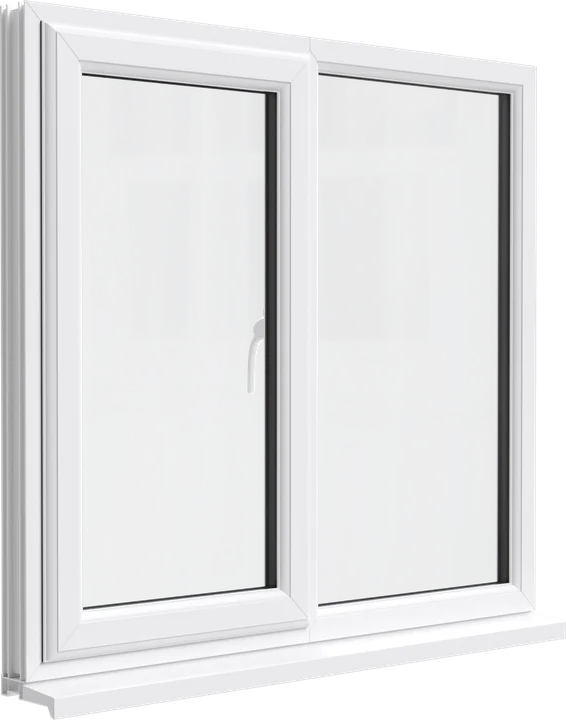
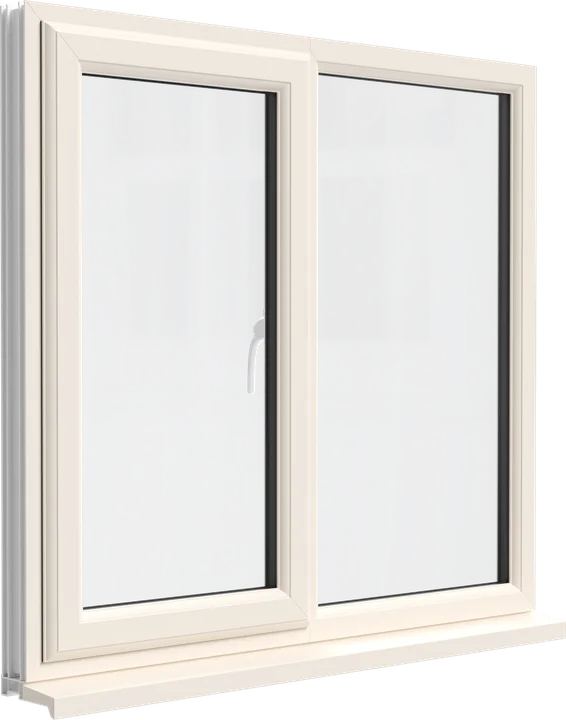
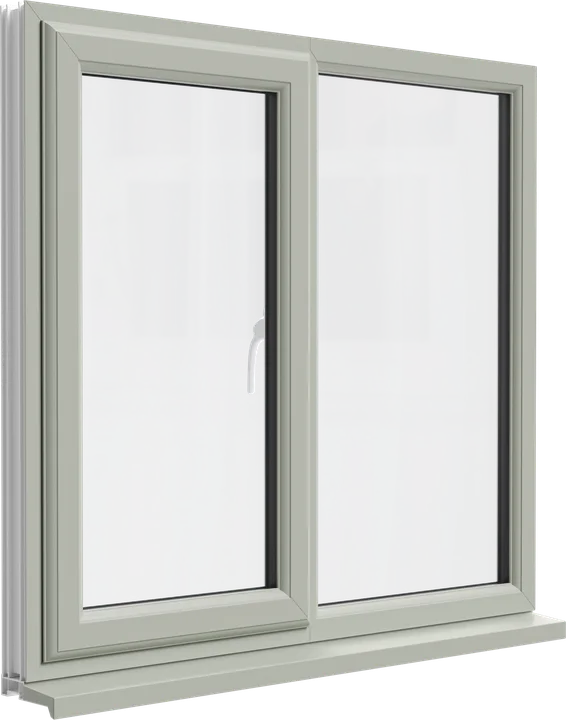
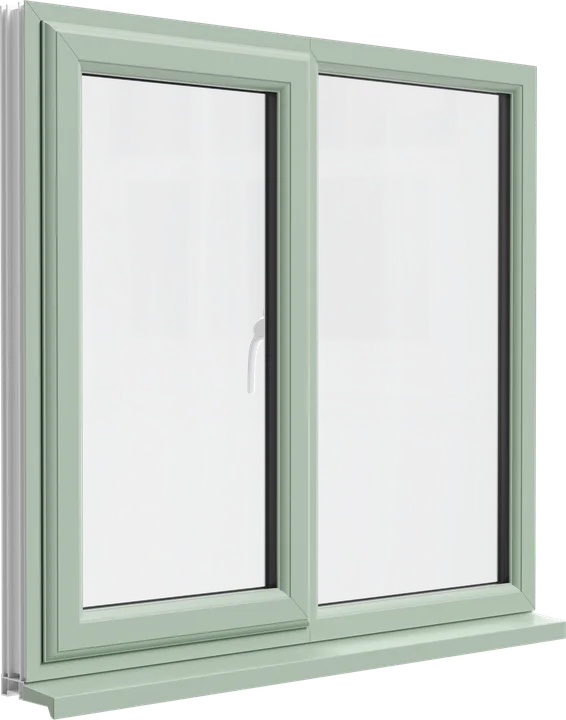
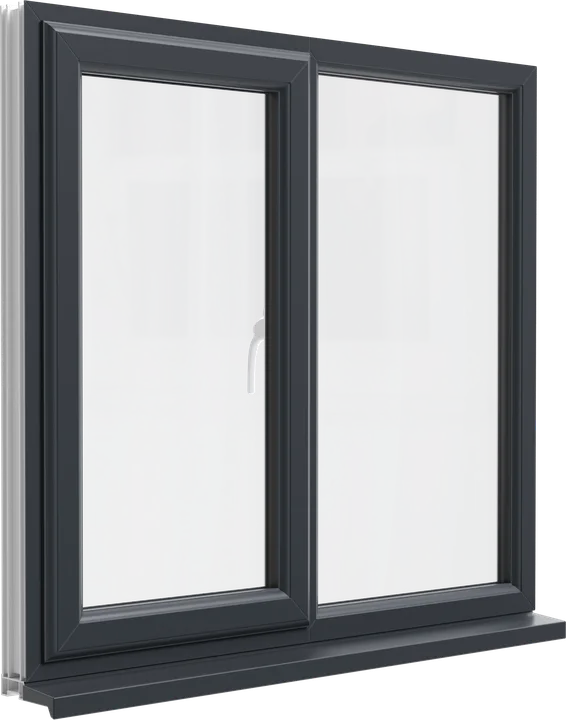
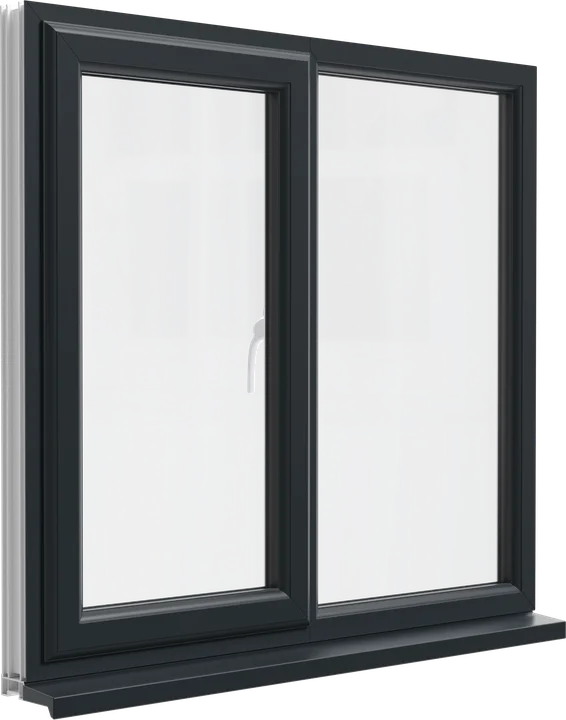
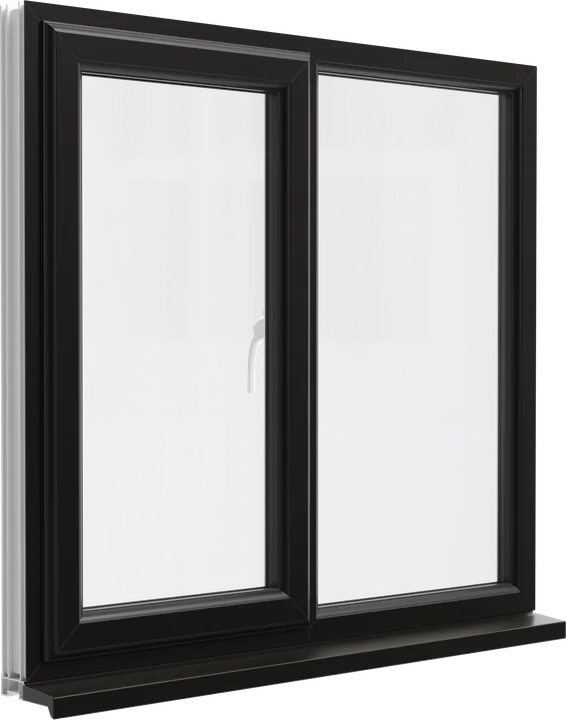
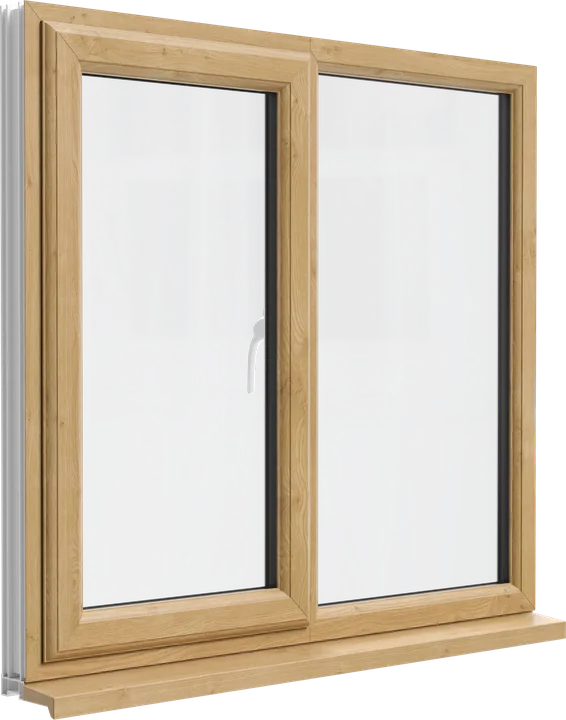
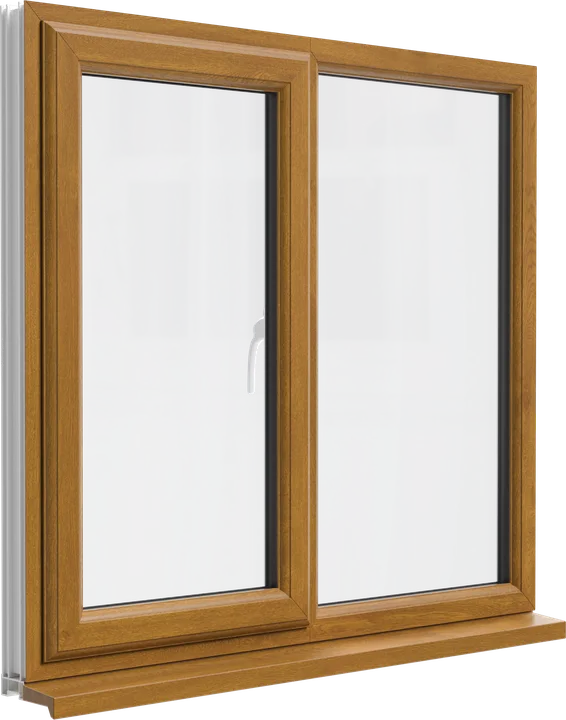
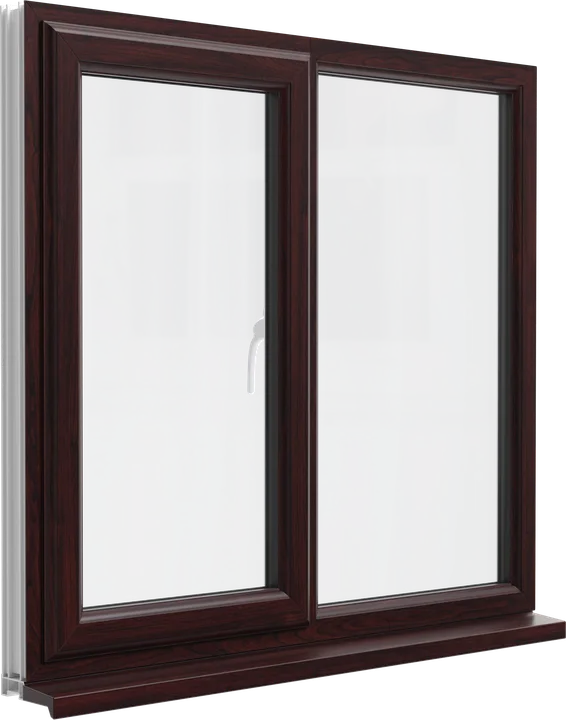
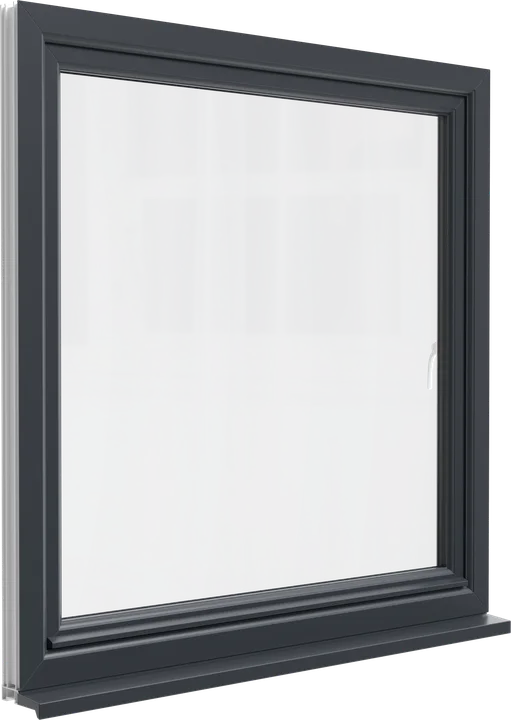
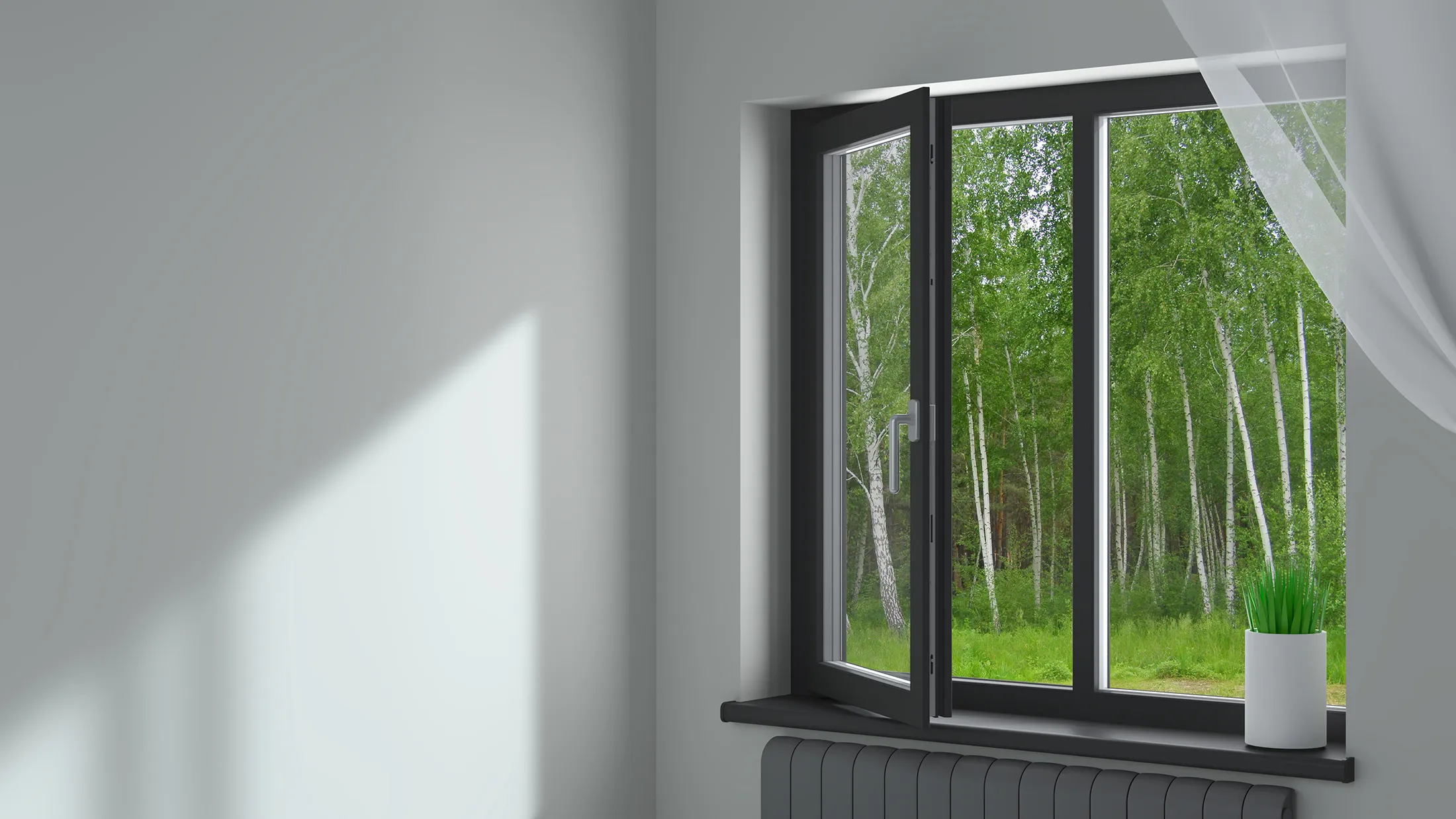
Casement windows
Shown in Anthracite Grey
The window most British houses already have, hinged at the side or the top. It suits nearly any house, and it is where most of our window jobs start. You decide how each pane opens, then choose the edge shape, any bars and the colour.
- Side hung, top hung and fixed panes in any mix
- Standard, EnergyPlus or EnergyPlus90 frame
- Sculptured (curved) or chamfered (bevelled) edges
- Georgian bars, arched heads and patterned glass if you want them
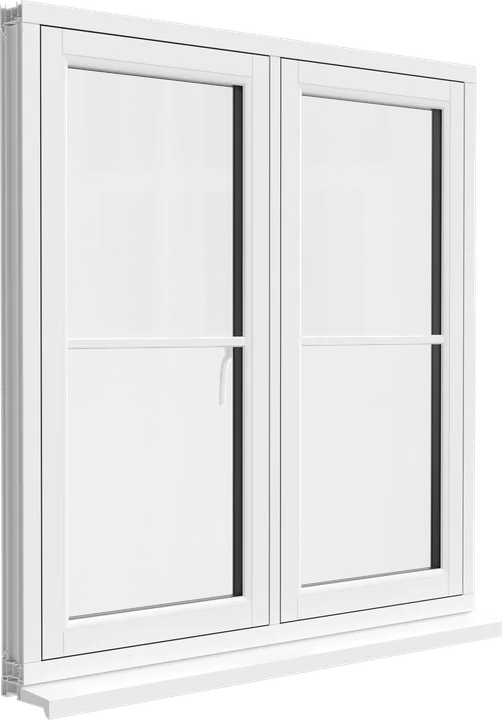
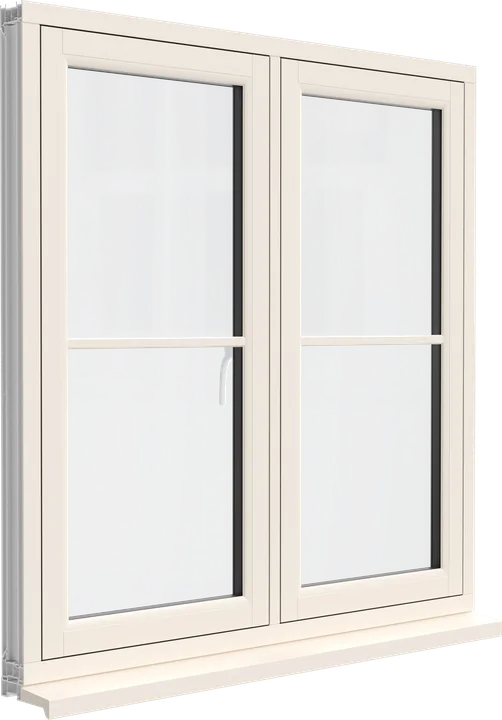
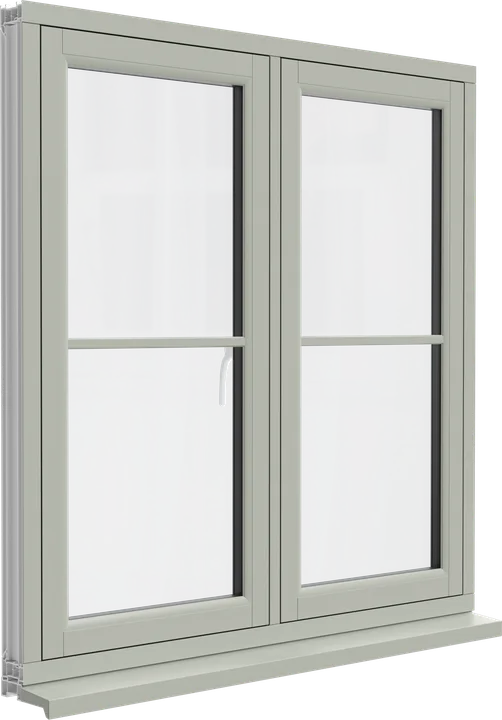
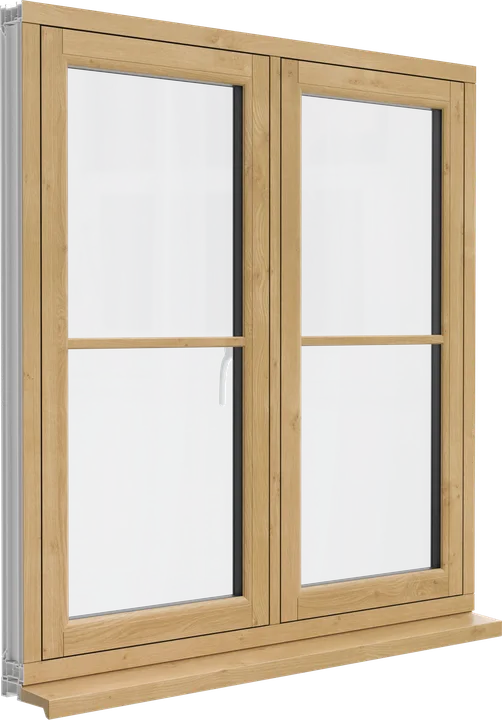
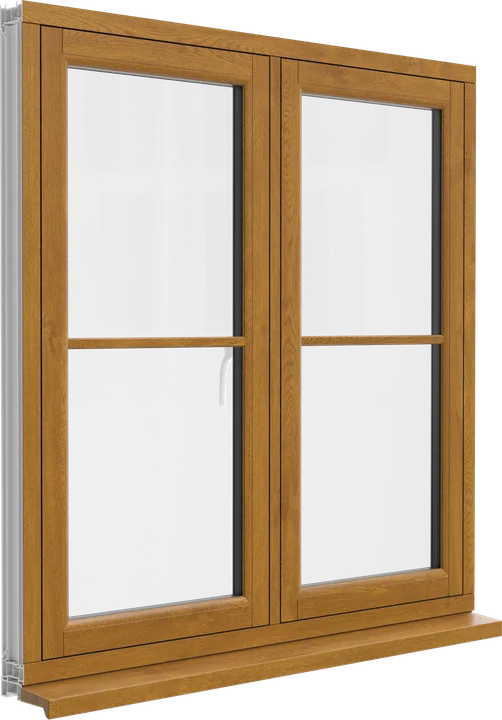
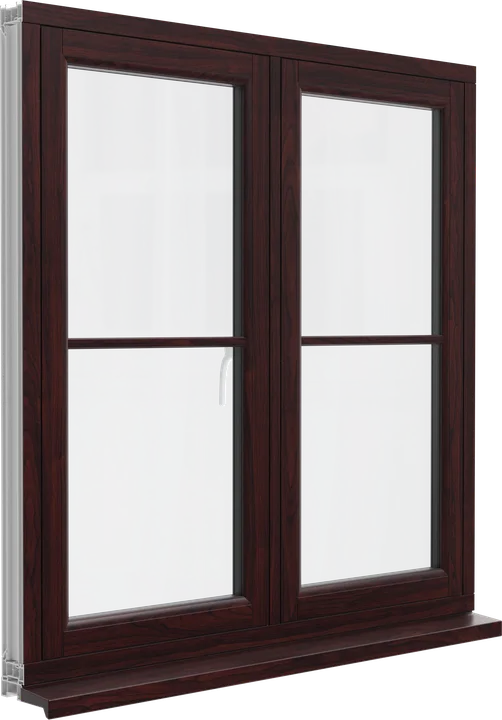
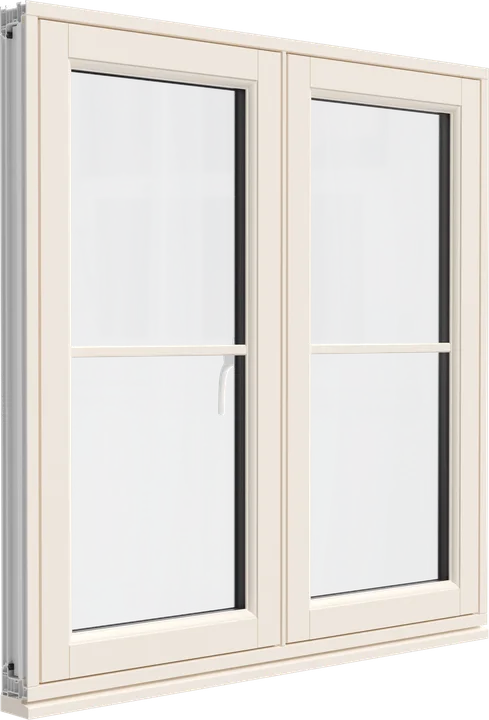
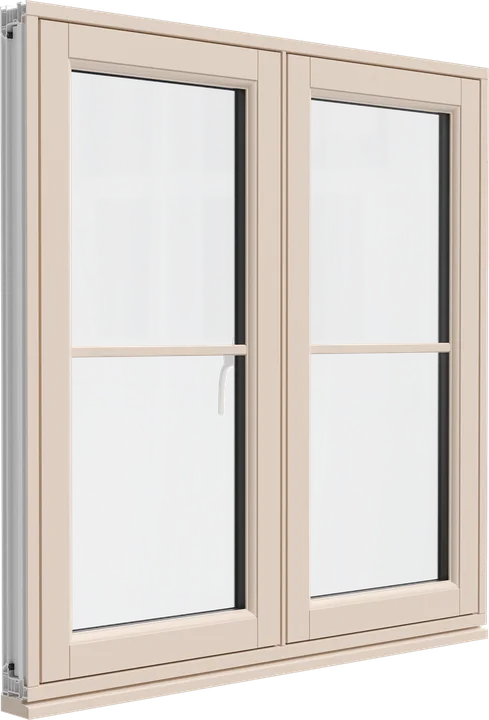
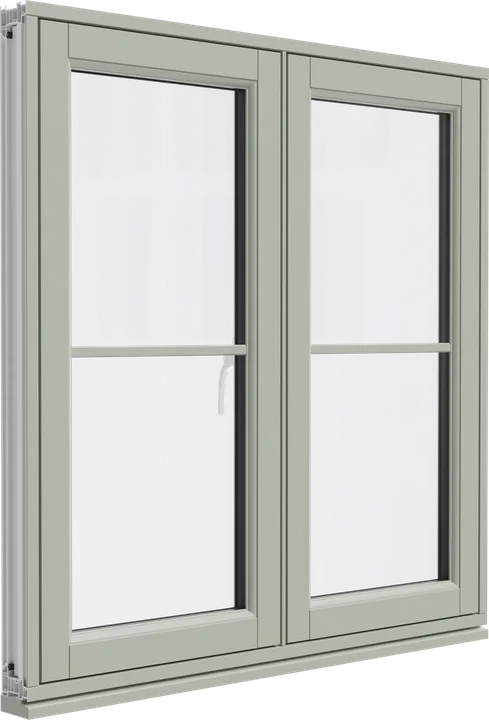
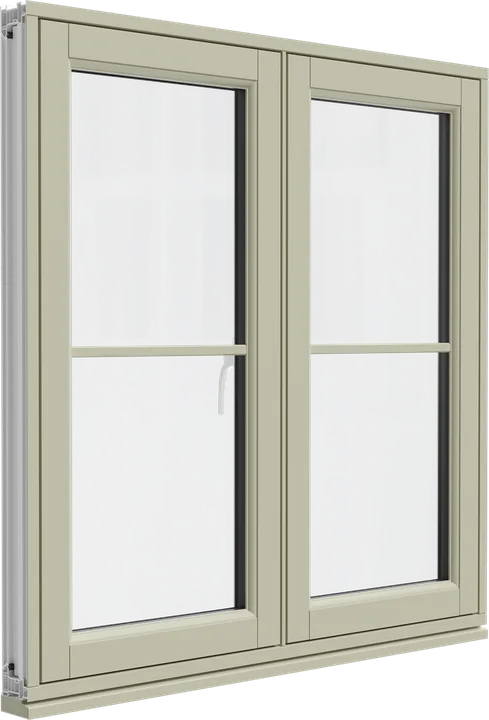
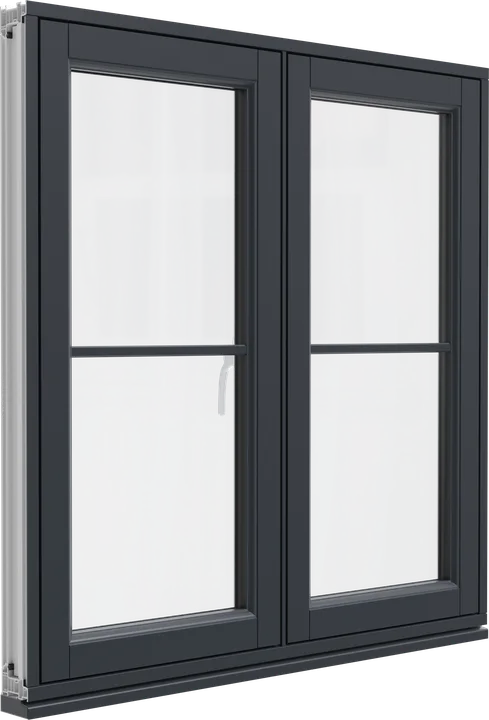
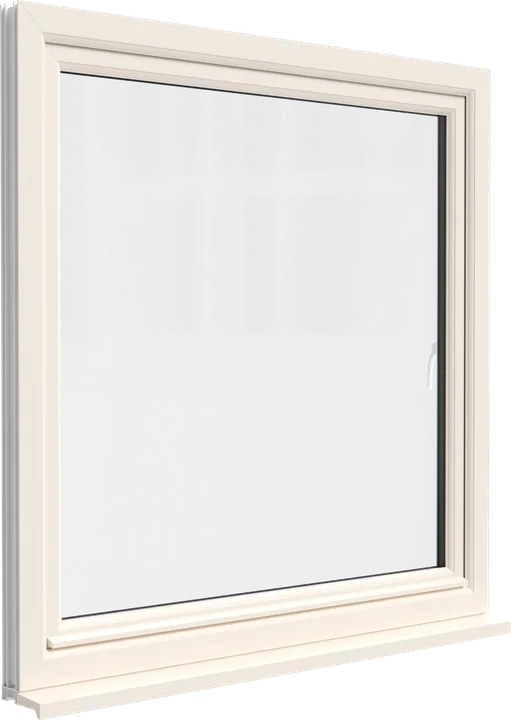
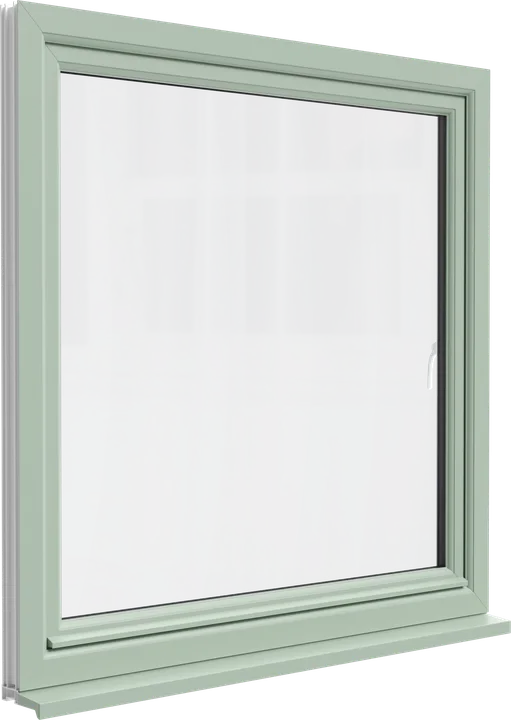
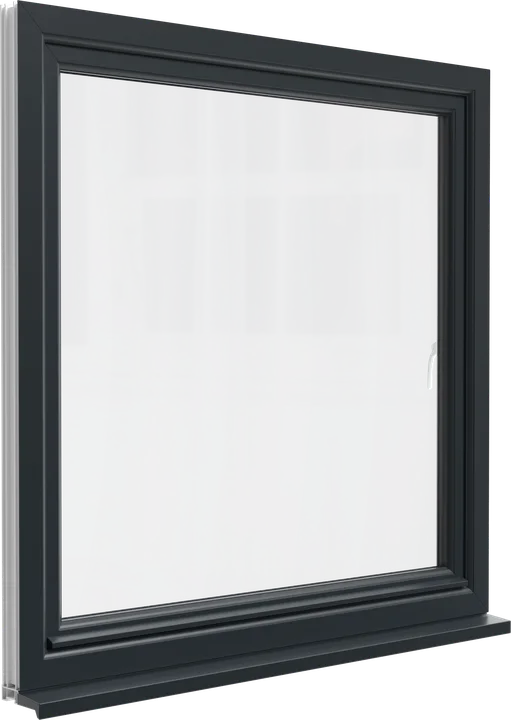
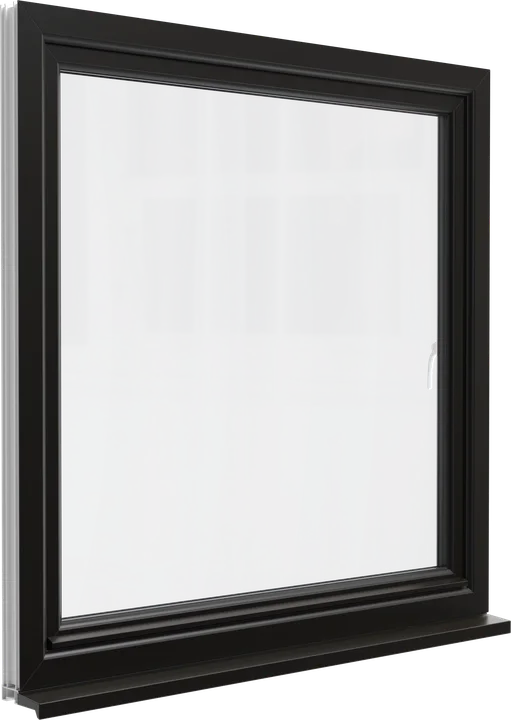
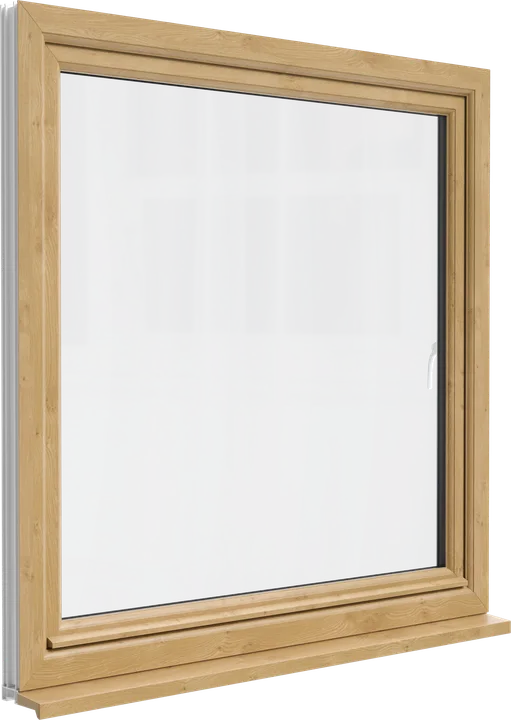
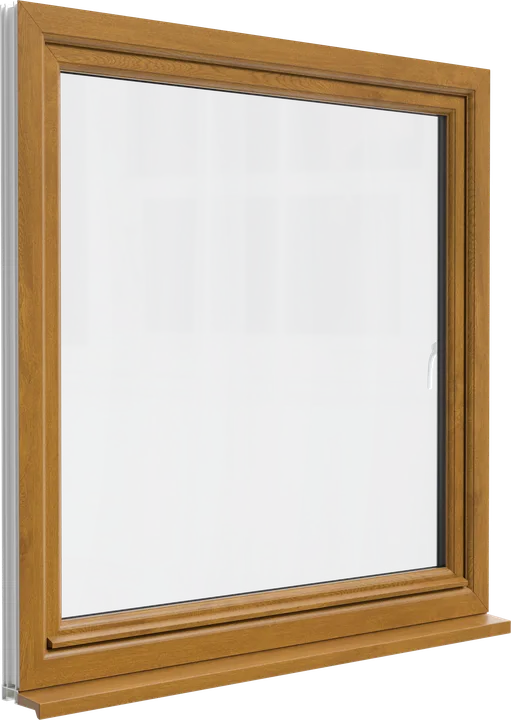
Flush sash windows
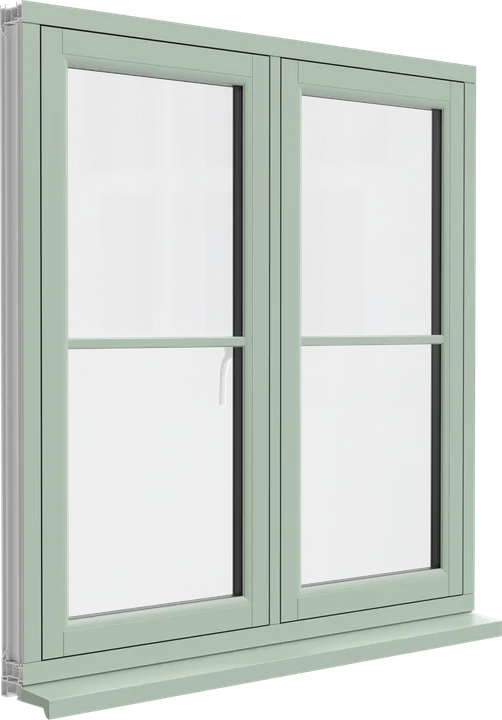
Shown in Chartwell Green
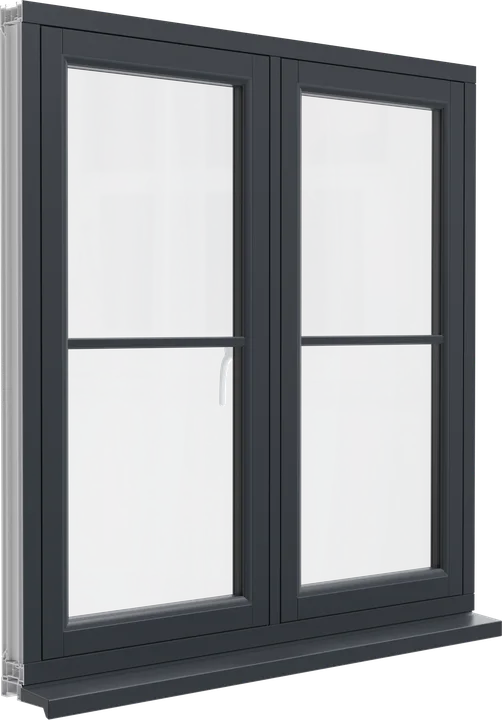
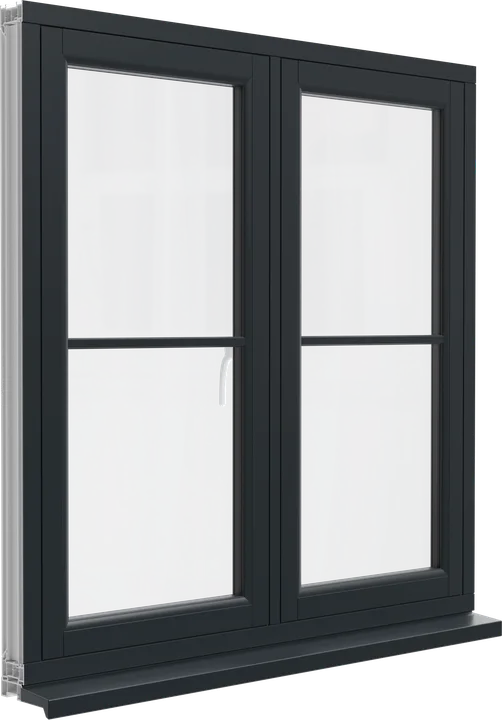
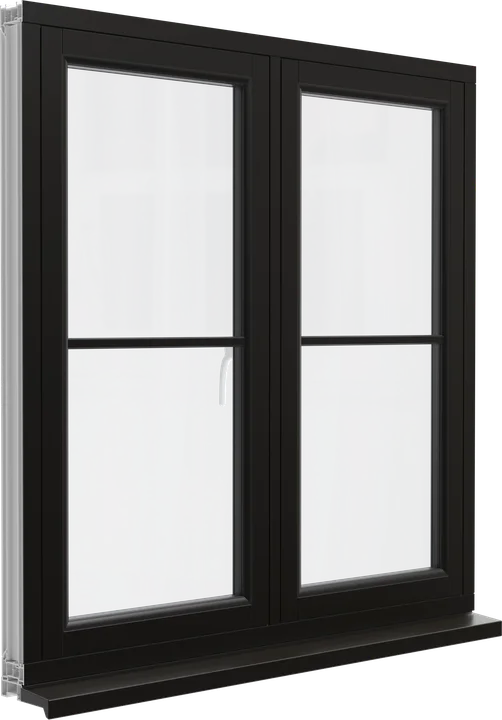
On an ordinary casement the opening part stands proud of the frame. On a flush sash it sits level with it, the way a joiner would make a timber window. In a woodgrain foil most people walking past would take them for wood, which is why they get used on cottages and where planning has been fussy about uPVC.
- 70mm frame with a 50mm sash
- Welded corners for a crisp look, mechanical joints for a heritage one
- A+ energy rating, U-values down to 1.2 W/m²K
- Sash and frame can be different colours
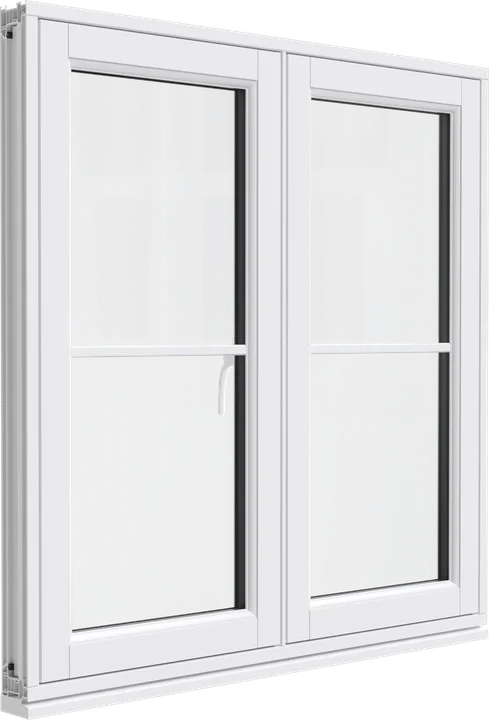
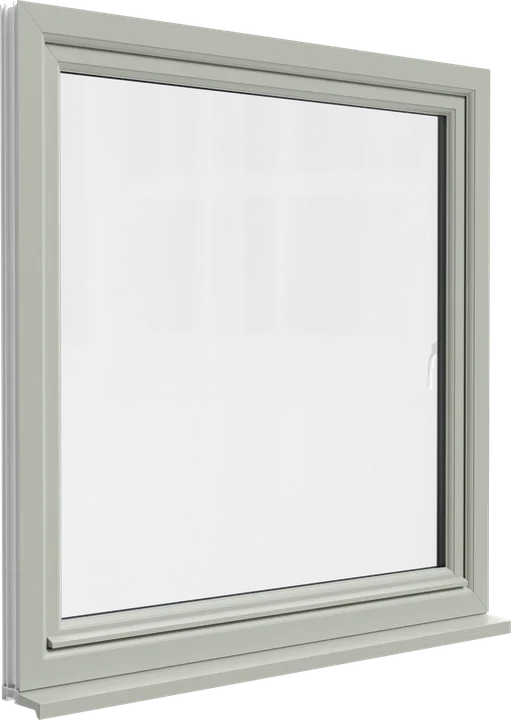
Resurgence windows
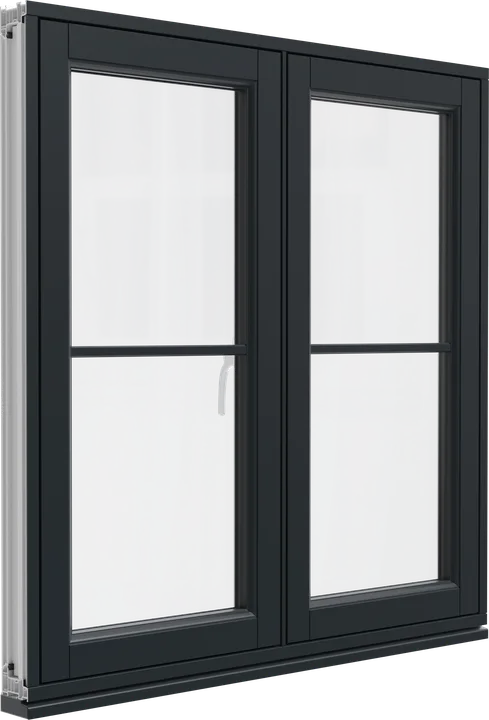
Shown in Agate Grey
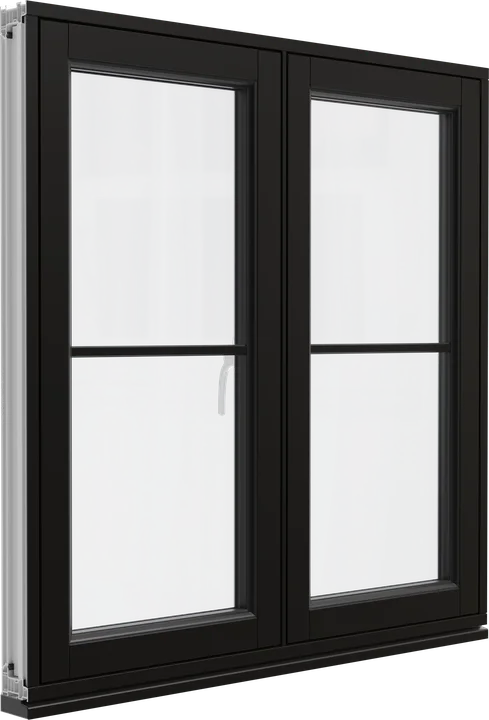
Liniar's best flush sash, and the one to look at for a period house. It has two seals instead of one, both hidden, so there is no rubber or brush strip showing in the gap round the sash. The foil carries on into the parts you only see with the window open, so it still looks like timber then too.
- 80mm frame with a 70mm sash
- Energy ratings up to A++
- Double, triple or acoustic glazing
- Welded, mechanical or Timberweld corner joints
In a conservation area, on a listed building or under an Article 4 direction, check with the council before ordering. Some accept a timber-look uPVC window and some do not.
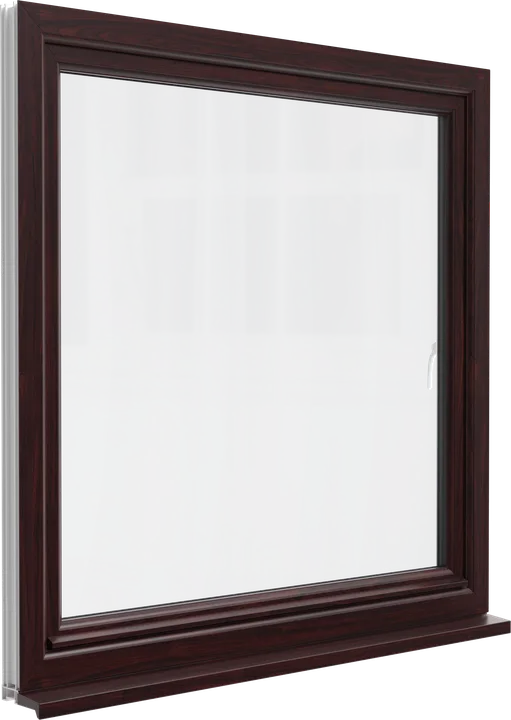
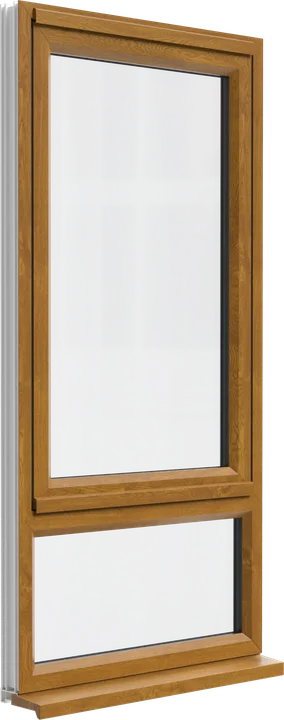
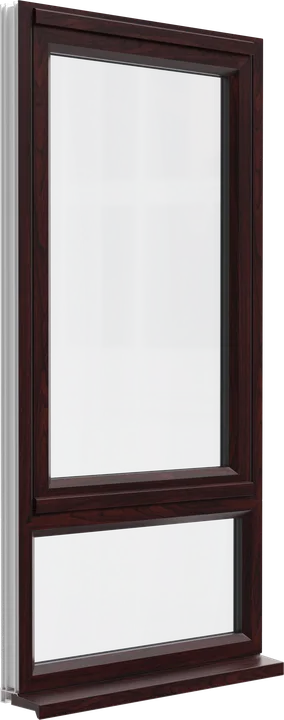
Tilt & turn windows
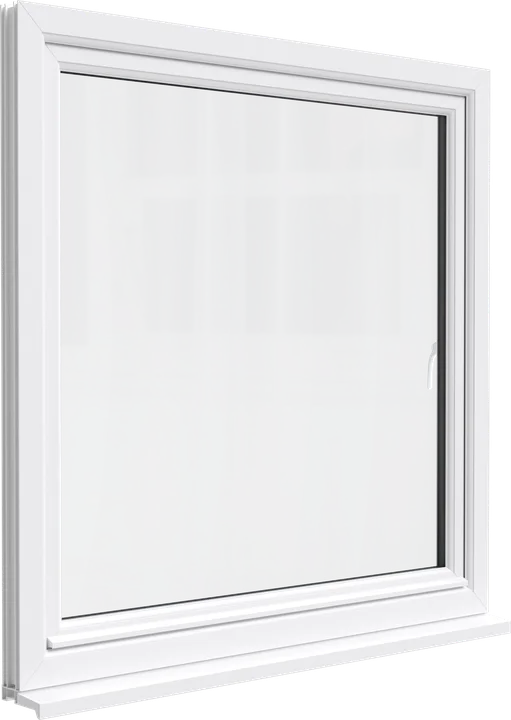
Shown in White
One handle, two ways of opening. Turn it one way and the top of the window tips in a few inches for air, and you can leave it like that when you go out. Turn it the other and the whole window swings into the room, so you can clean the outside from indoors.
- Opens inwards, so nothing sticks out over a path
- Usually set to tilt first, so a child cannot swing it wide open
- Can be made larger than a casement
- U-values down to 0.9 W/m²K
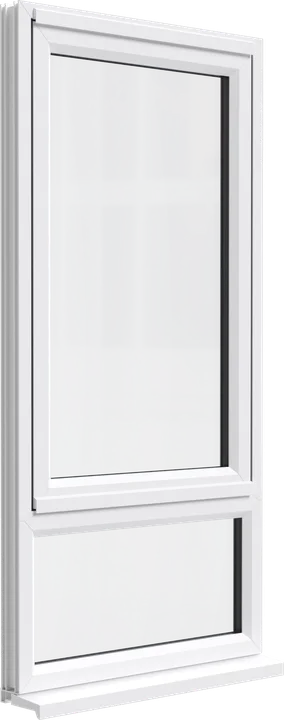
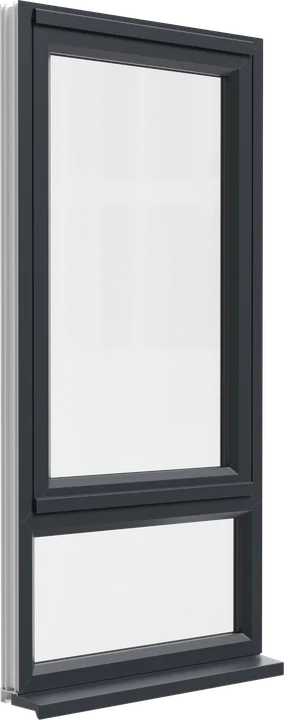
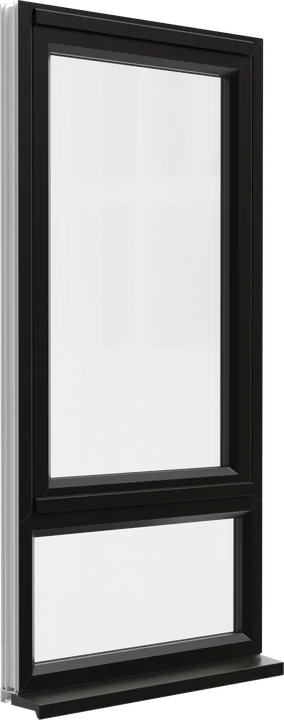
Reversible windows
Shown in White
The sash spins right round so the outside of the glass ends up facing you, and it does it without swinging into the room and catching the blinds. Worth thinking about for any window you cannot get a ladder to, like the one above a conservatory roof or high up on a town house.
- Rotates a full 180 degrees
- Flush finish inside and out
- Chamfered profile, in solid or woodgrain colours
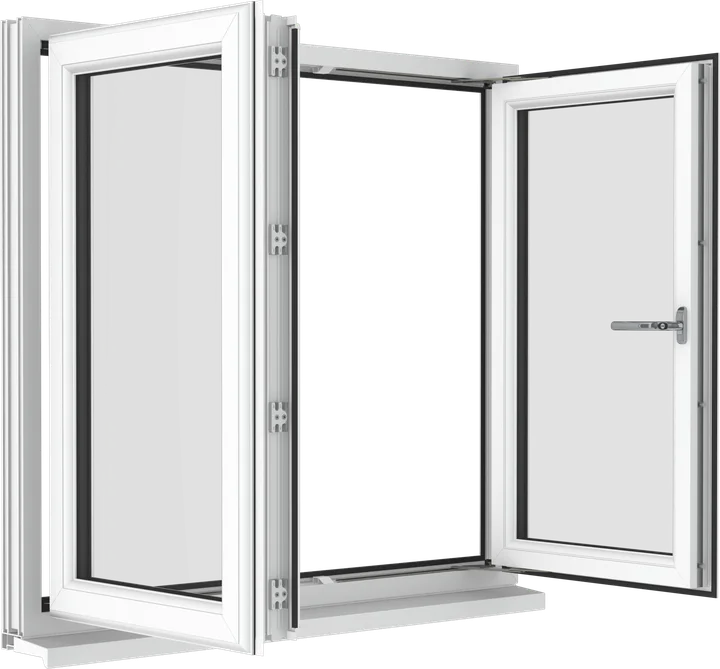
French windows
Shown in White. Ask about other colours.
A pair of sashes that open from the middle like a set of French doors, with no post left in the way once both are open. That gives a big clear opening, which is why we suggest them for bedrooms that need a proper escape route.
- Full width opening with no centre post
- Child restrictors available
- U-values down to 0.8 W/m²K
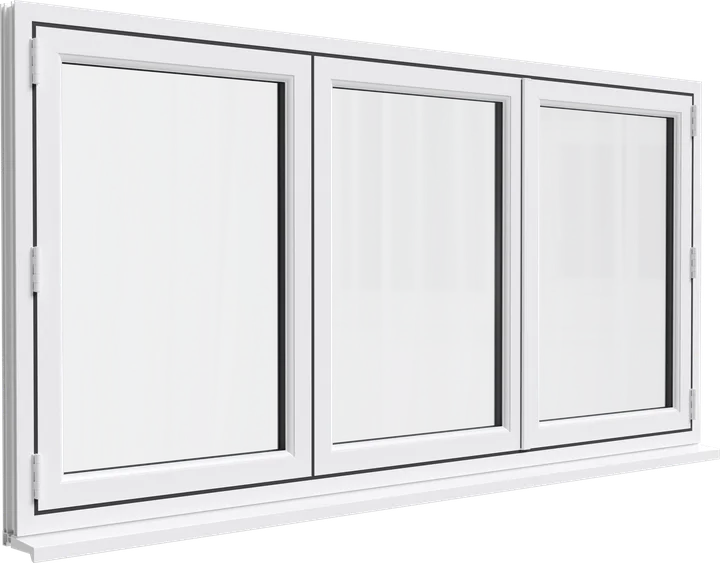
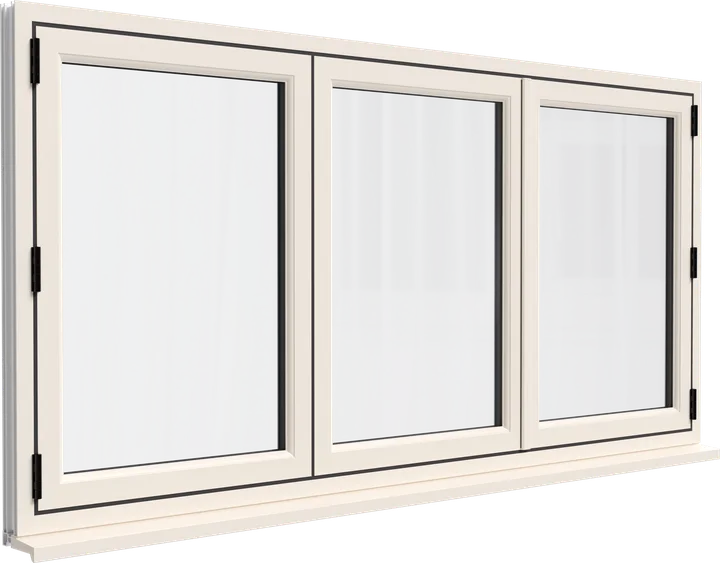
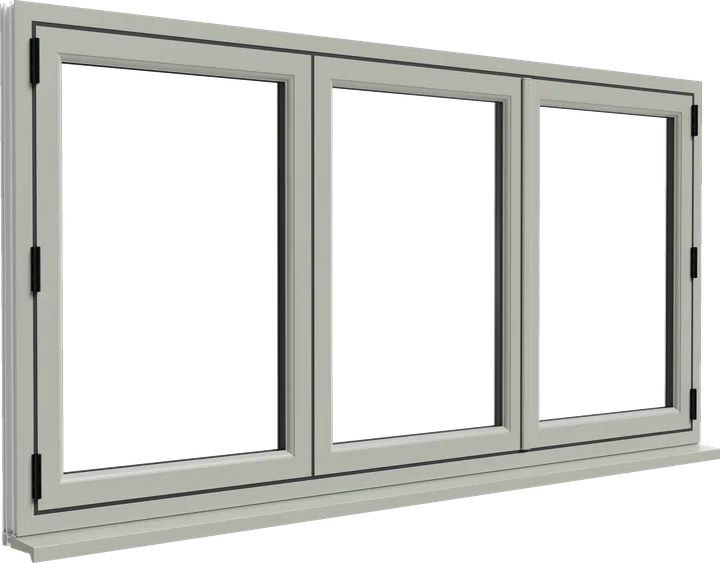
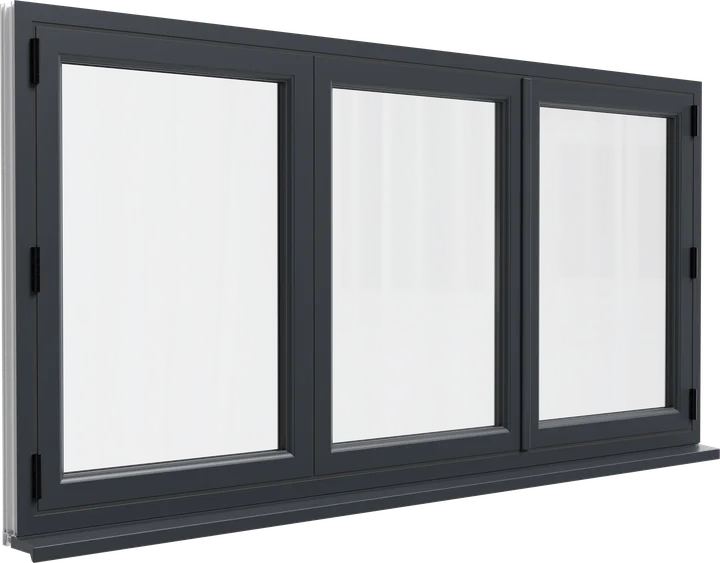
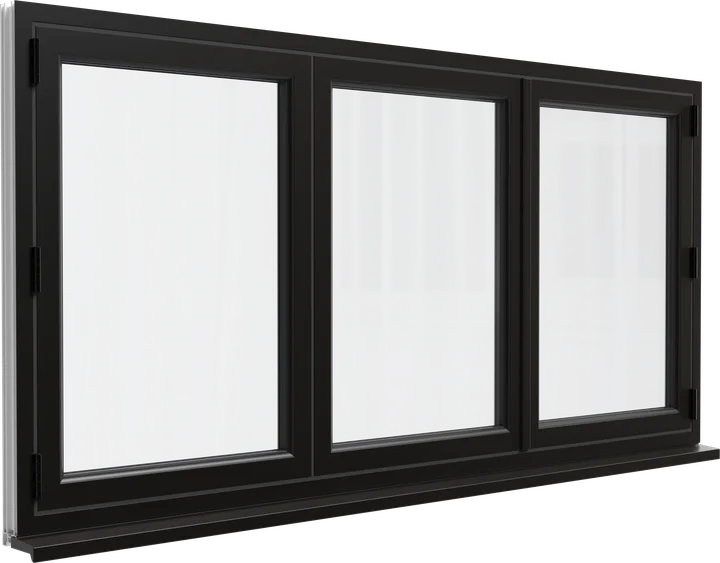
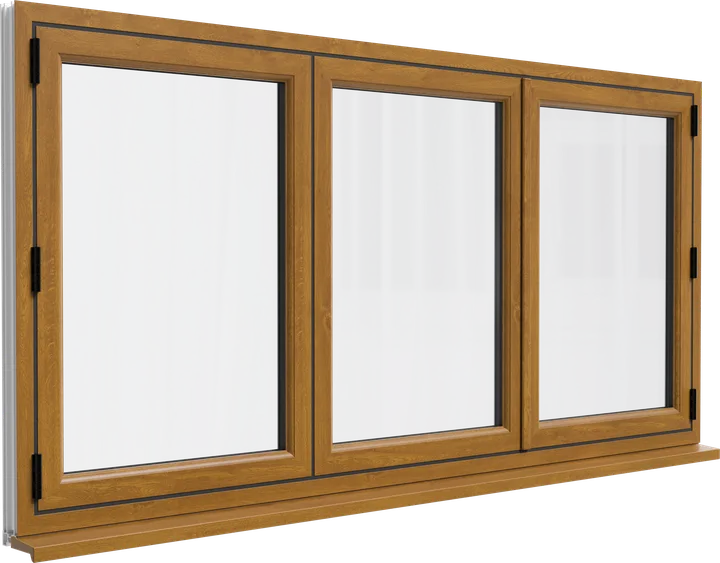
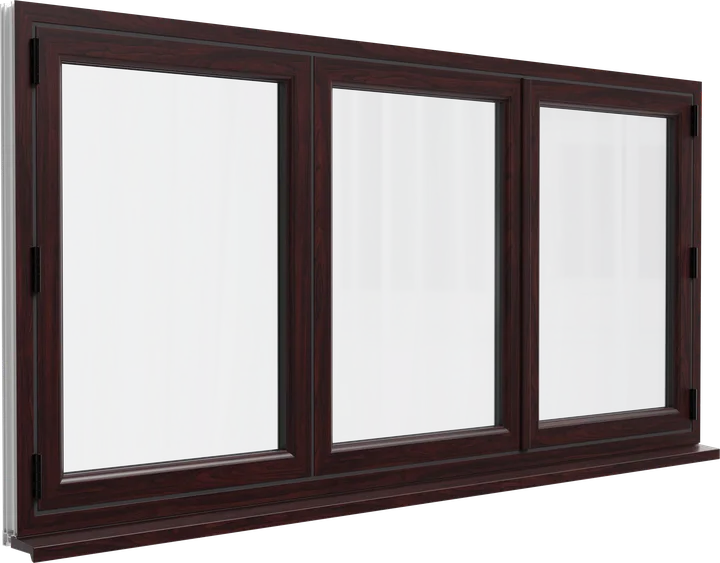
Bi-fold windows
Shown in Anthracite Grey
The panes fold back to one side so the whole window opens up. Good over a kitchen worktop that looks onto the garden, or anywhere a bi-fold door would take more wall than you want to lose.
- Up to four panes wide
- Up to 1800mm high
- 28mm double glazed
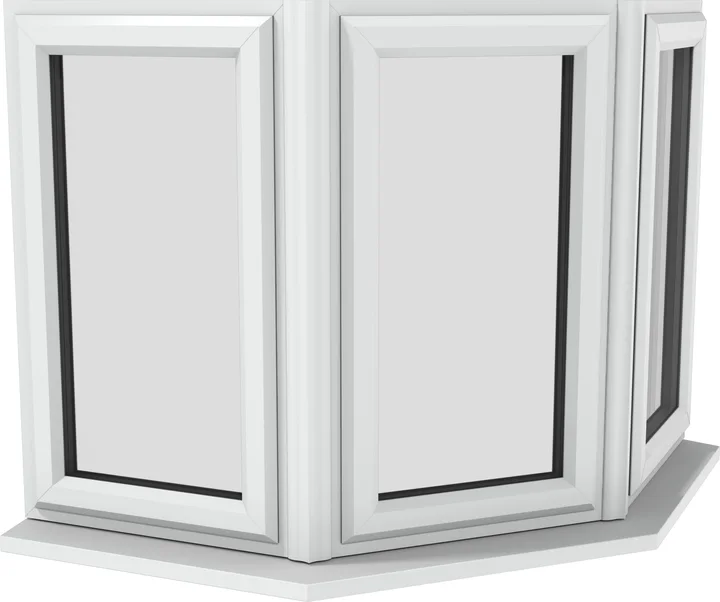
Bay and bow windows
Shown in White. Ask about other colours.
A bay is a run of windows set at angles, a bow is the same idea on a gentler curve. Either one pushes the room out a little and brings light in from three sides. We build them from casement or flush sash windows, and the joints between them are smooth on the inside, so there is nowhere for dust to sit.
- Casement or flush sash windows
- Double or triple glazed
- Georgian bars, leaded glass or sash horns
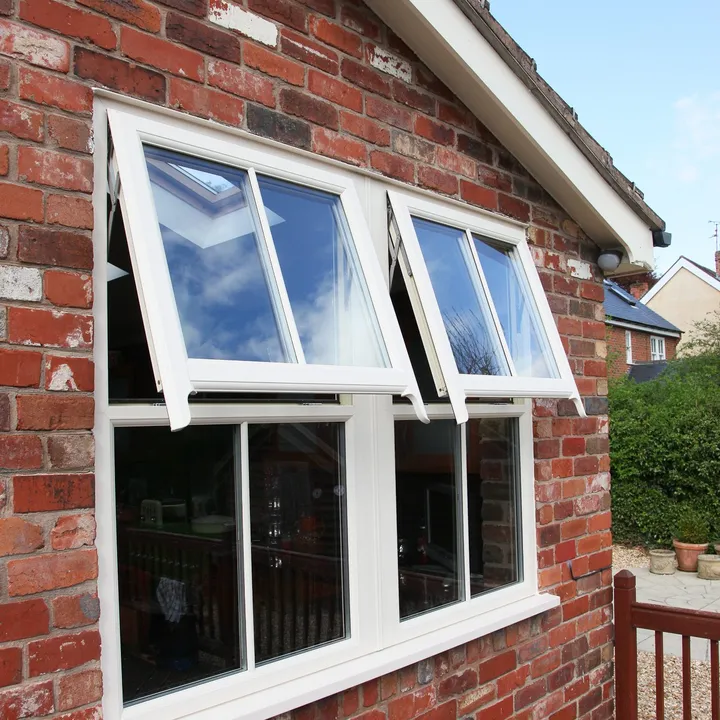
Sash horn windows
Pictured in White. Ask about other colours.
A casement window made to look like an old sliding sash, down to the little horns on the frame. It opens on hinges instead of sliding, so there are no cords or weights to go wrong, and it locks with shootbolts like the rest of the range.
- Looks like a box sash, opens like a casement
- Shootbolt locking
- Georgian bars to finish the look
Doors
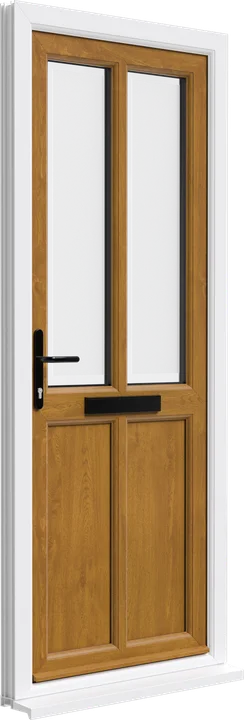
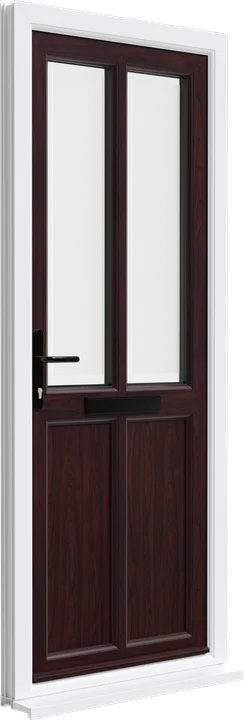
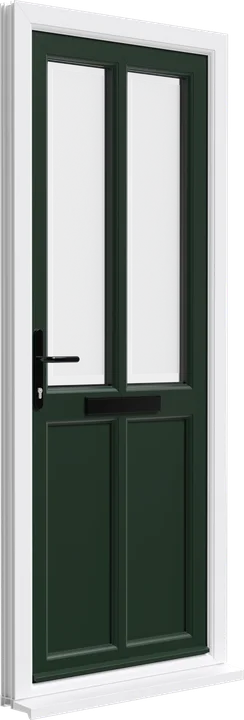
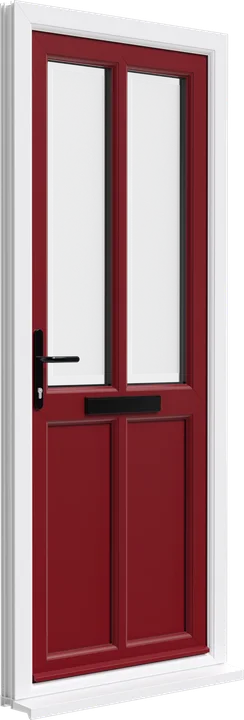
Front doors, back doors and the big openings onto the garden. The colour dots work the same way as the windows.
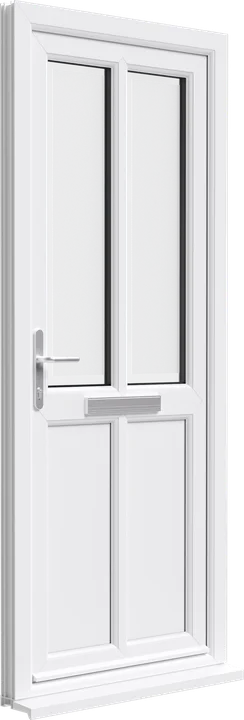
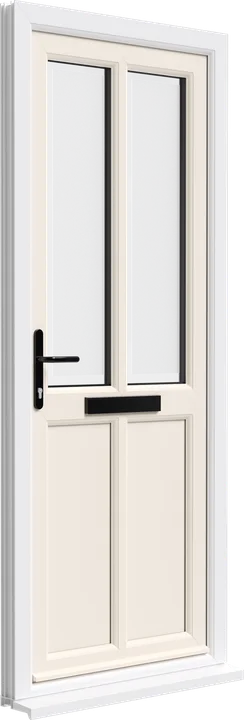
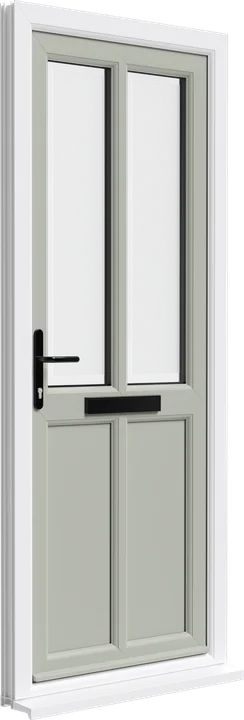
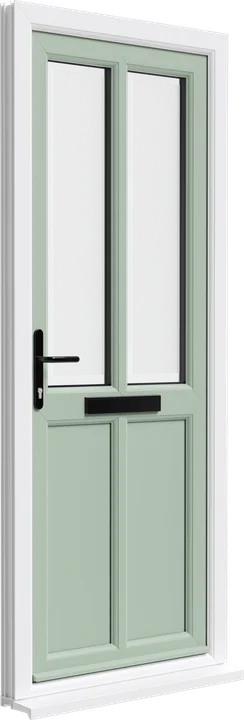
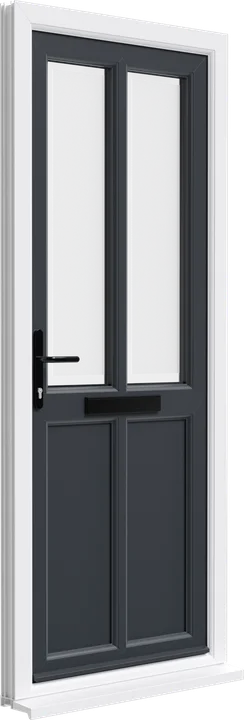
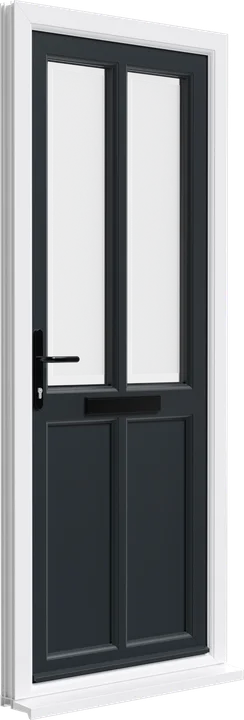
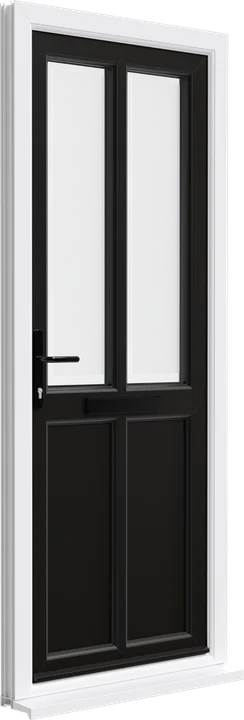
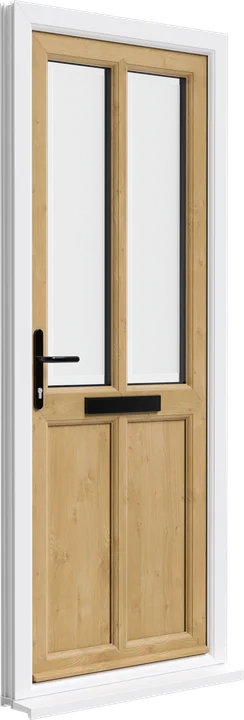
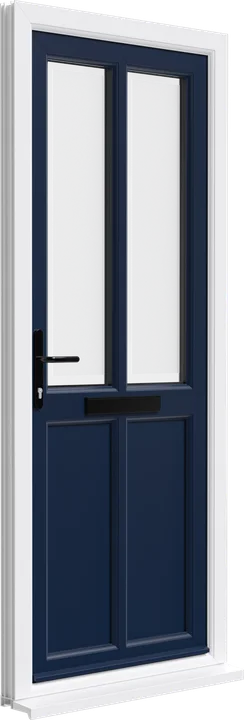
Residential doors
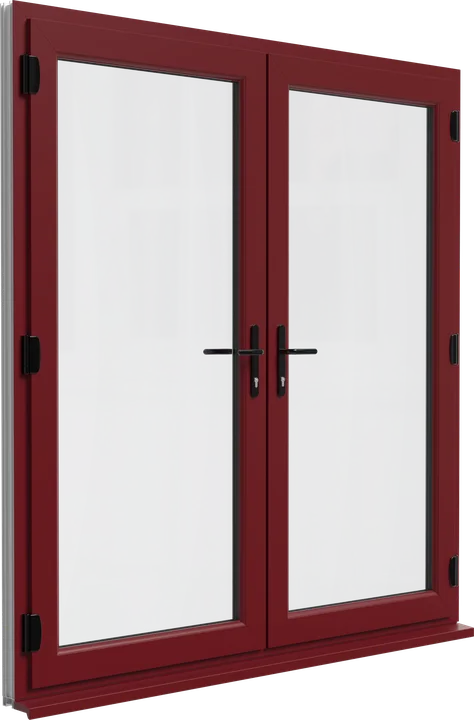
Shown in Dark Red
A uPVC front or back door made from the same frame as the windows, so the two match exactly. Each one is made to measure with your choice of panels, glass, side panels and hardware. A sensible back door, and a smart front one if you do not need a composite.
- Made to order, with matching side panels
- PAS 24:2015 and Secured by Design
- Part M low threshold available
- Double or triple glazed
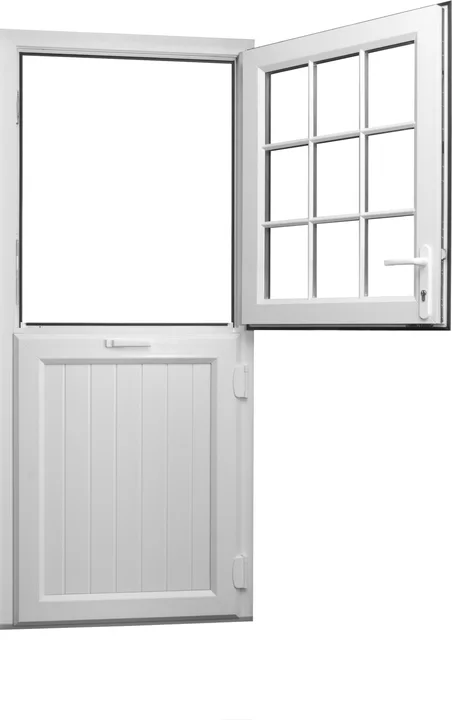
Stable doors
Shown in White. Ask about other colours.
A residential door split across the middle, so the top half can open while the bottom stays shut. It keeps the dog in and lets the air through, and it looks right on a cottage or a kitchen that opens onto the garden.
- Top and bottom open together or on their own
- Same frame and locks as a residential door
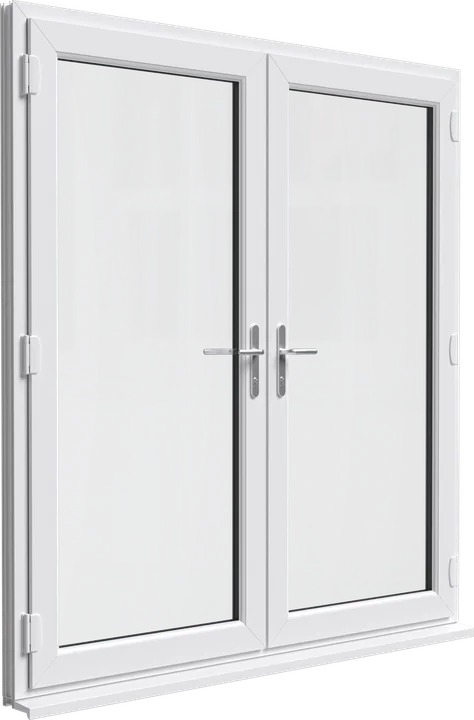
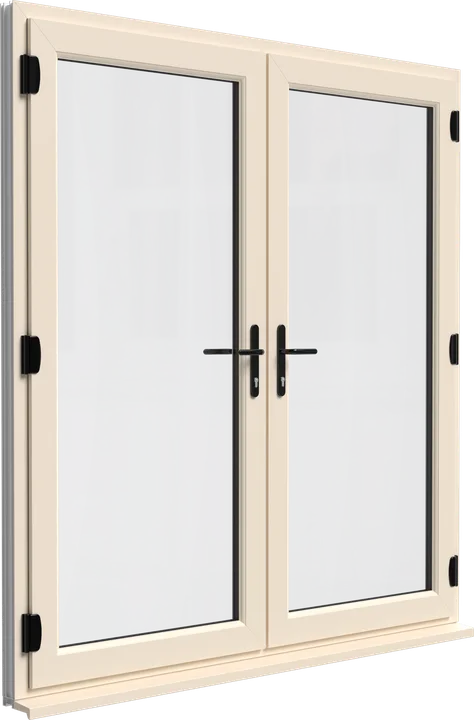
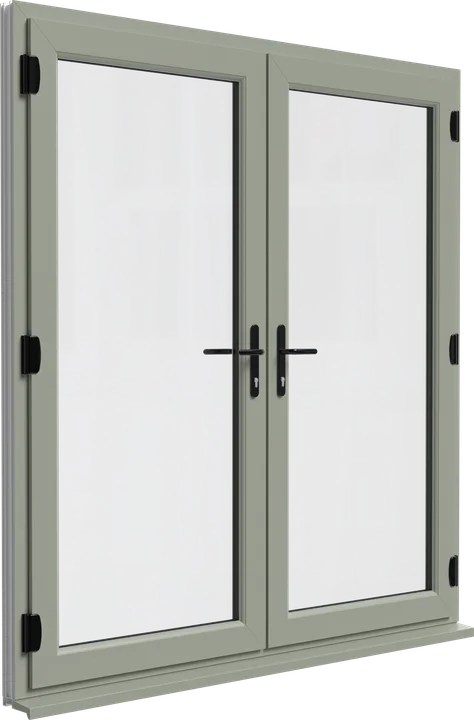
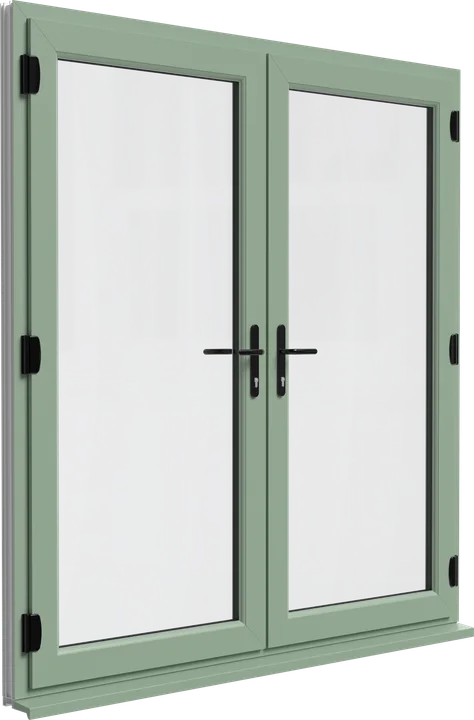
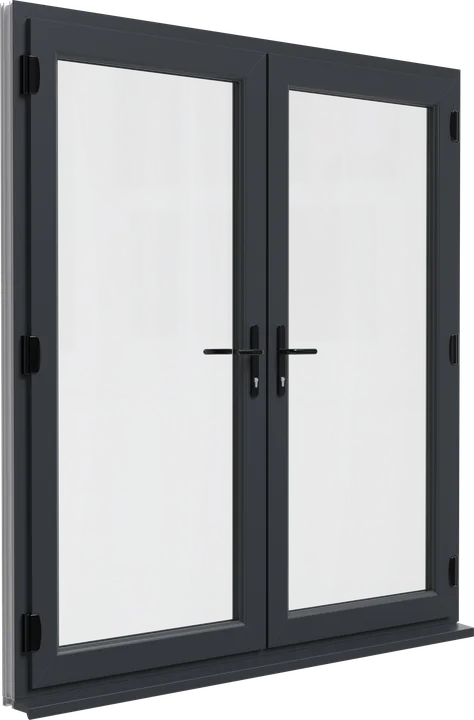
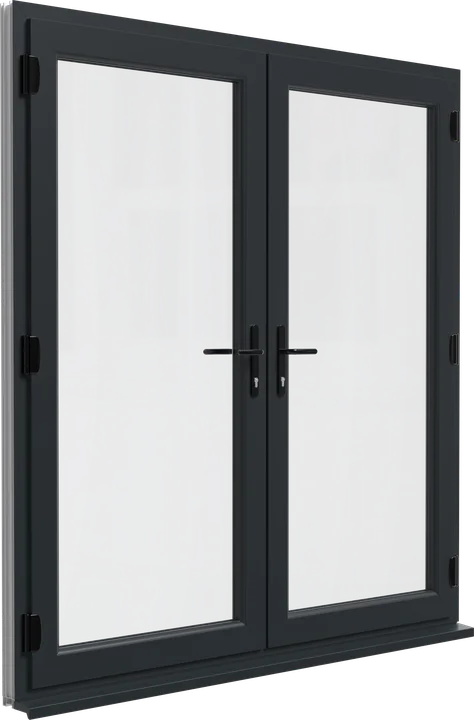
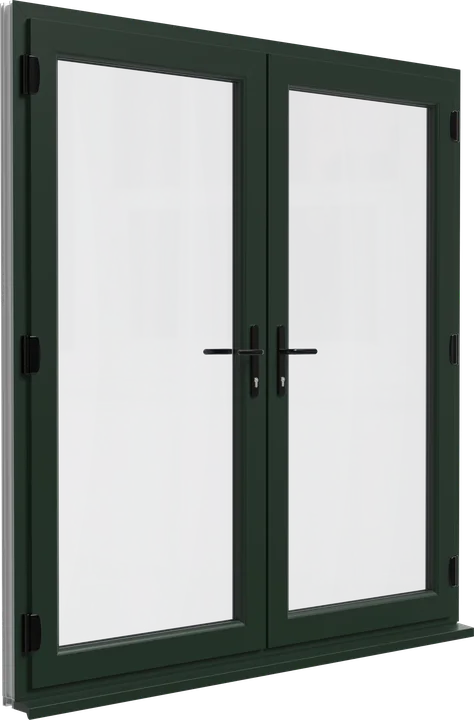
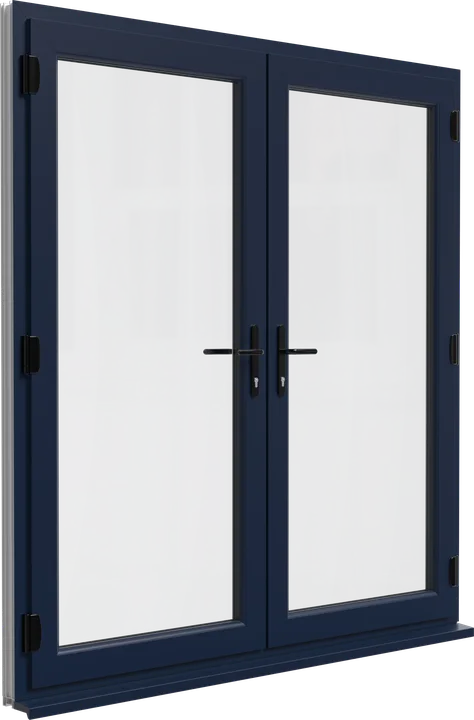
French doors
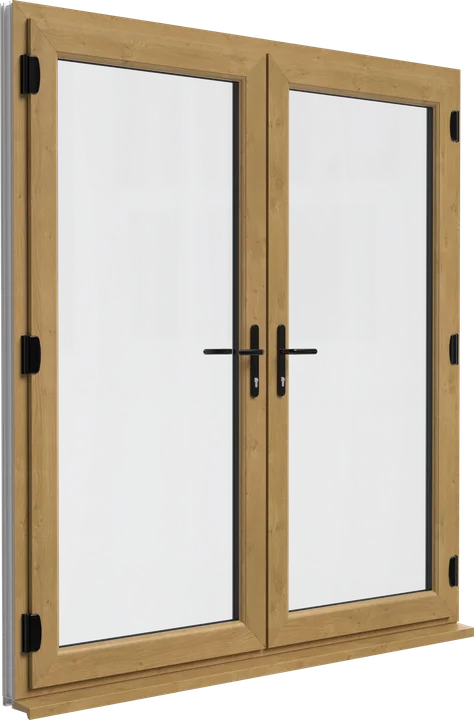
Shown in Irish Oak
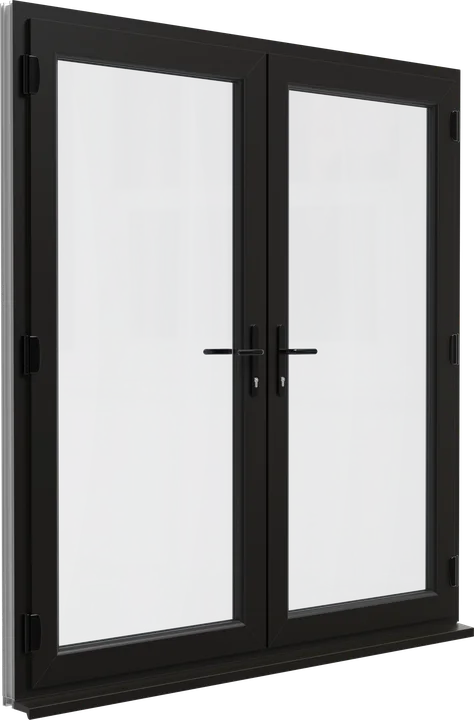
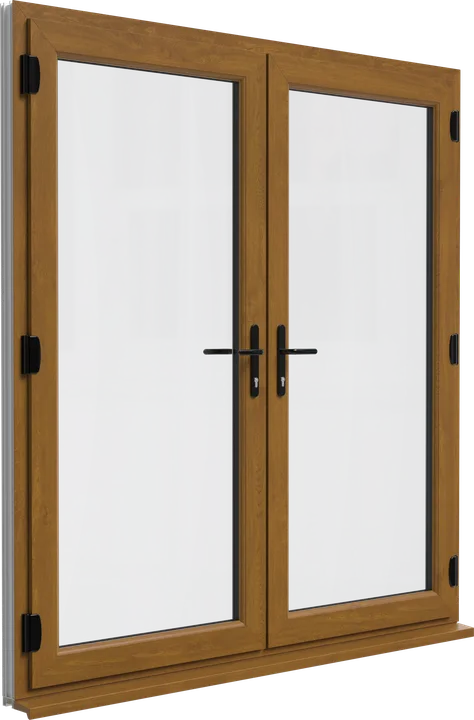
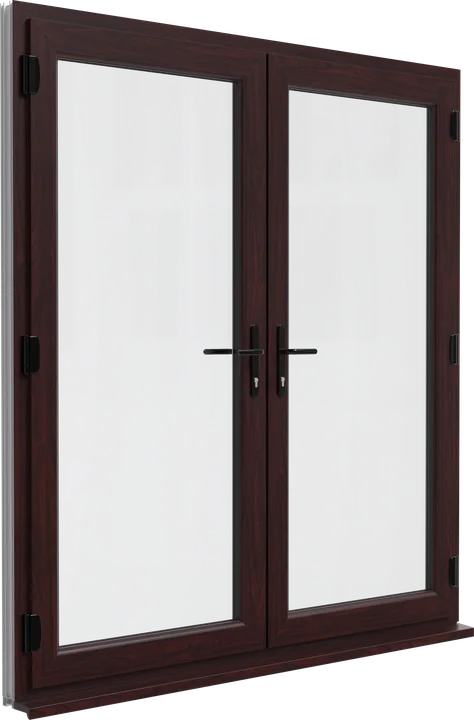
Two doors that open from the middle with no fixed post between them, so you get the full width when both are open. They can open into the room or out onto the patio, and side panels make them work in a wider opening.
- Open inwards or outwards
- Side panels for wider openings
- PAS 24:2015 and Secured by Design
- U-values down to 1.0 W/m²K with triple glazing
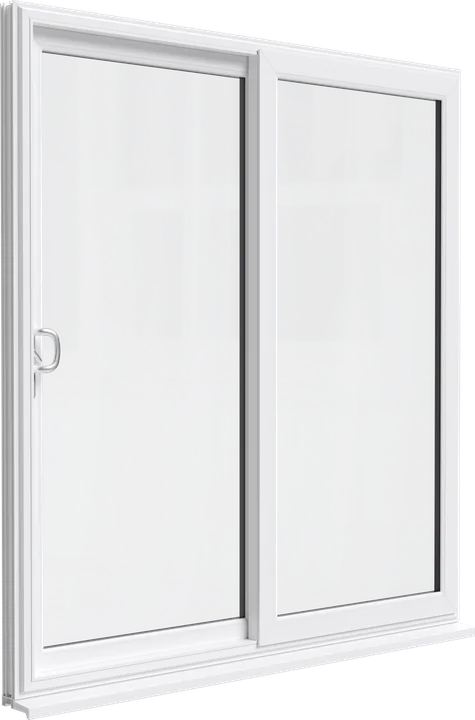
Patio doors
Shown in White. Ask about other colours.
Liniar's ModLok sliding door. Each sliding panel runs on eight small wheels instead of the usual four, which is why it glides rather than rumbles. Aluminium inside the frame stiffens it and carries the locks. If access round the back of your house is tight, the frame can come in pieces and go together on site.
- Two, three or four panes, up to two of them sliding
- Eight mushroom-head locking points
- Low or Part M threshold with no trench to dig
- A midrail, or even a letterbox, if you want one
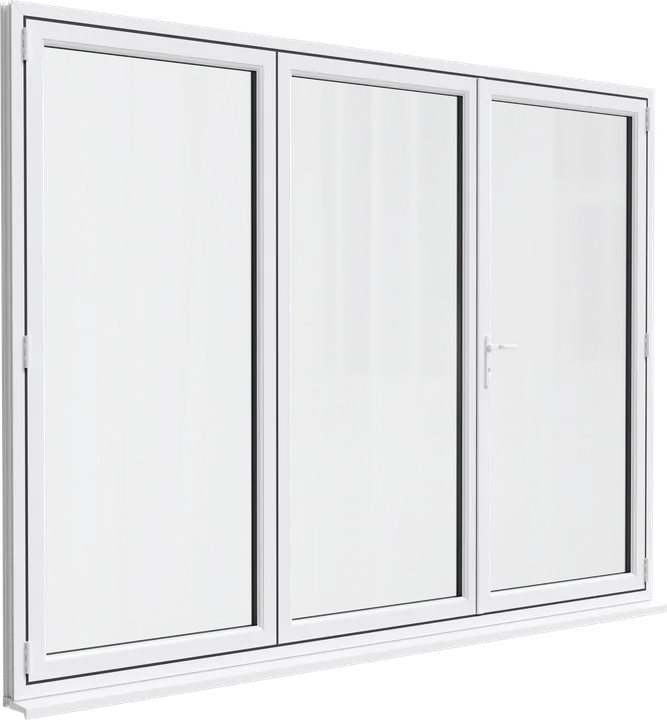
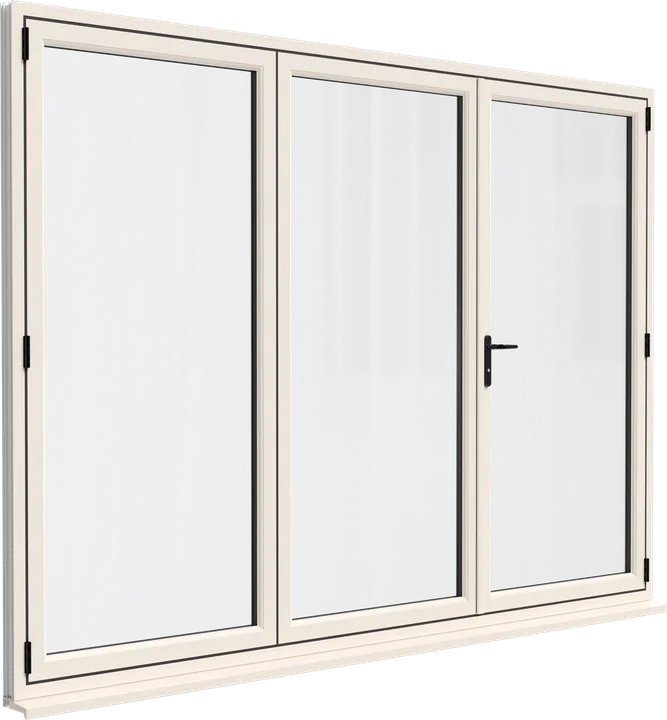
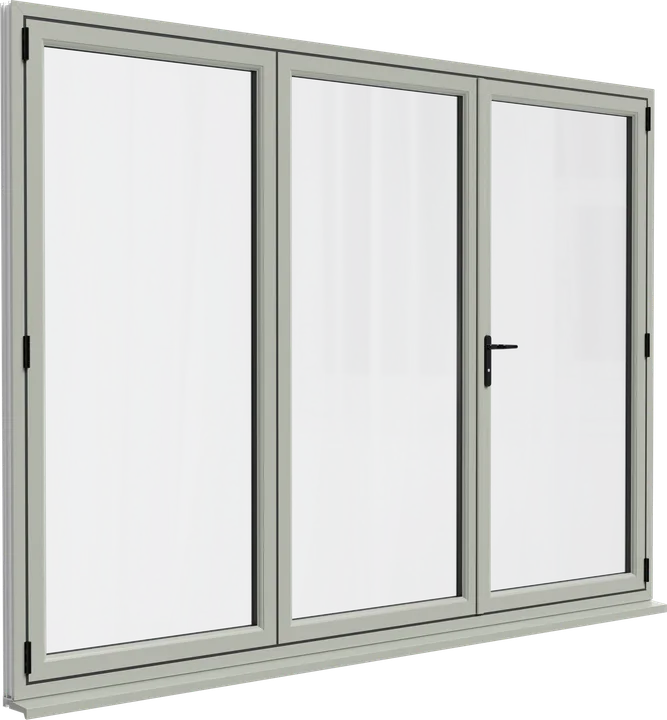
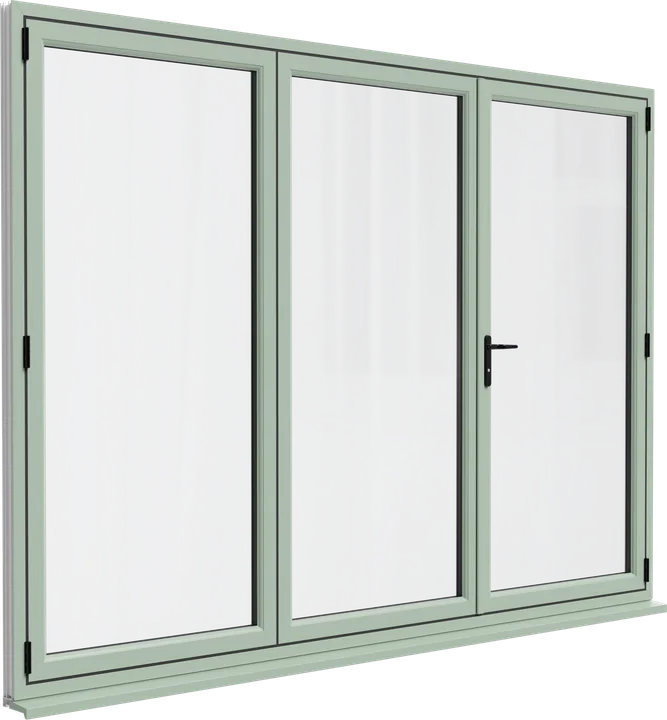
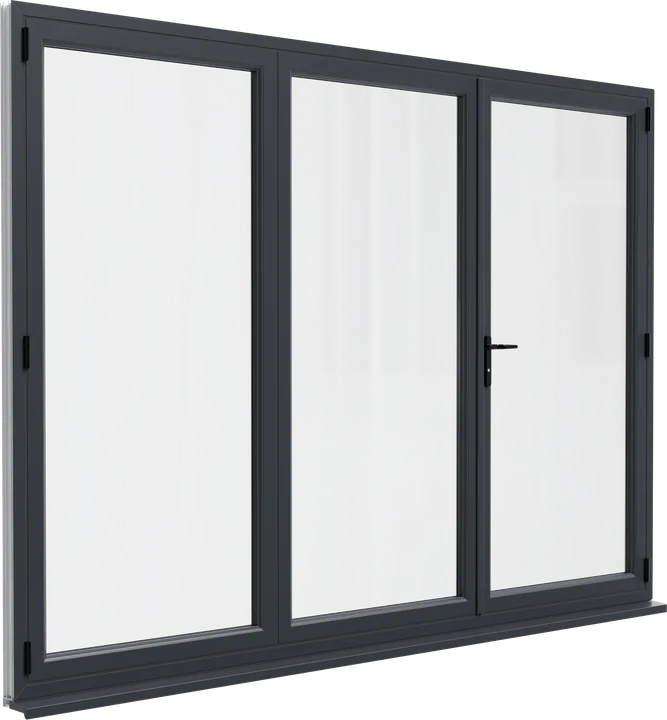
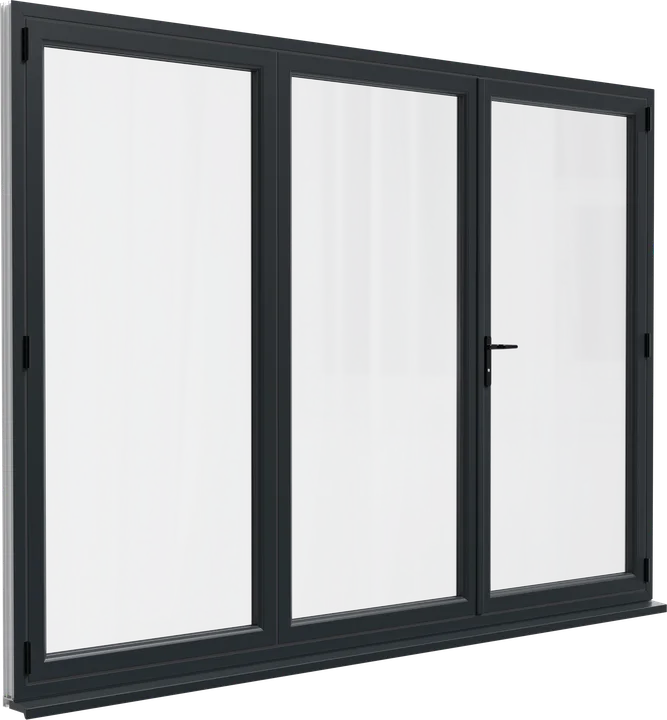
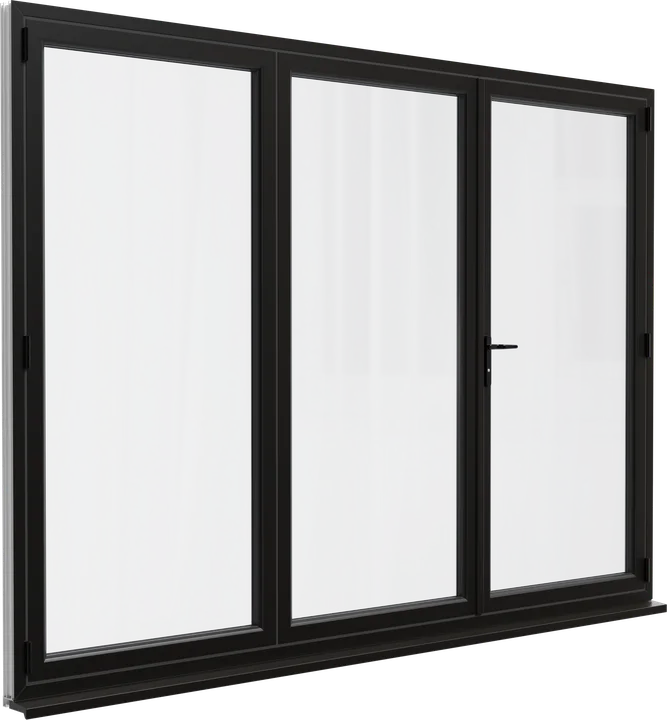
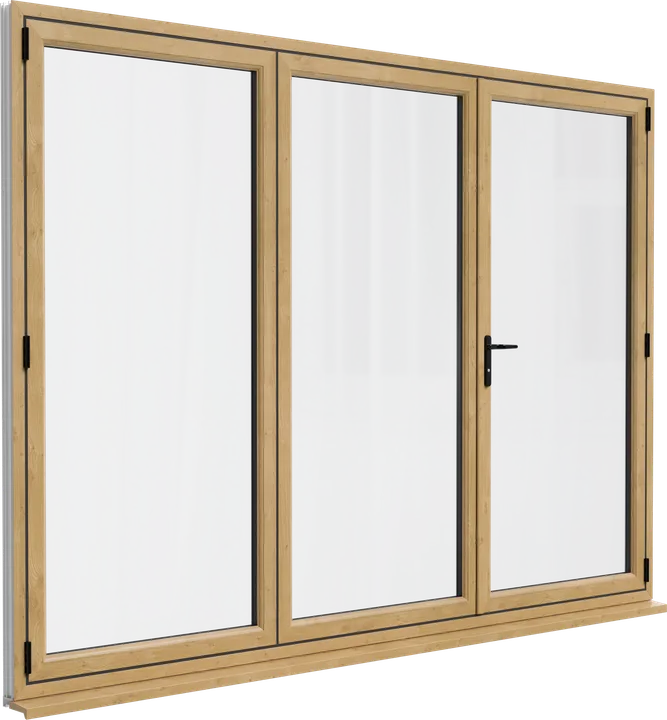
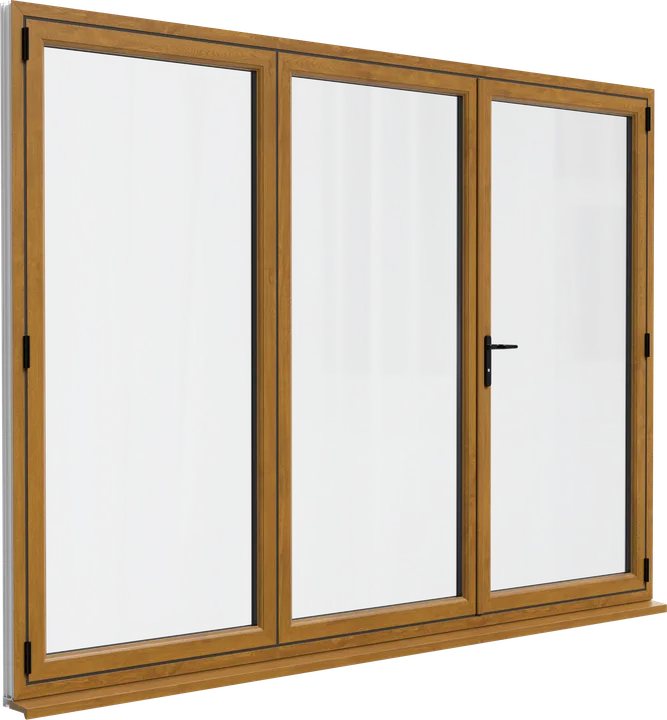
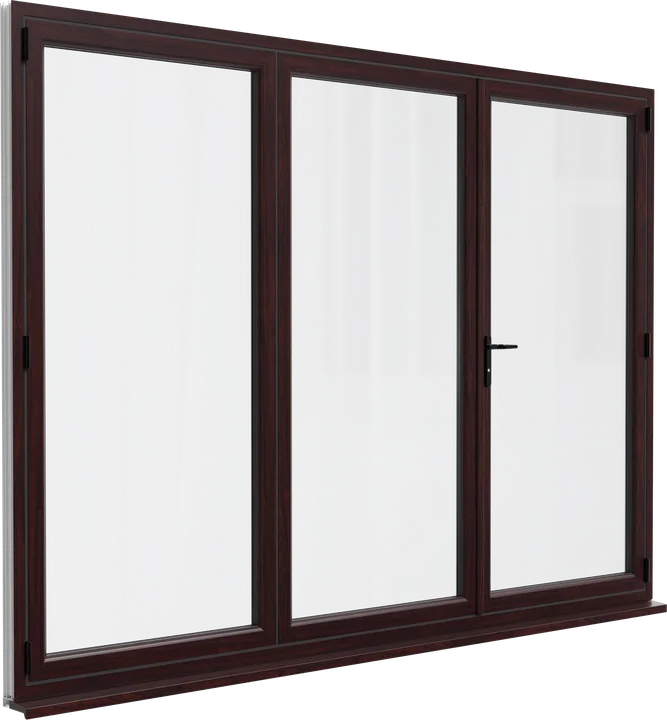
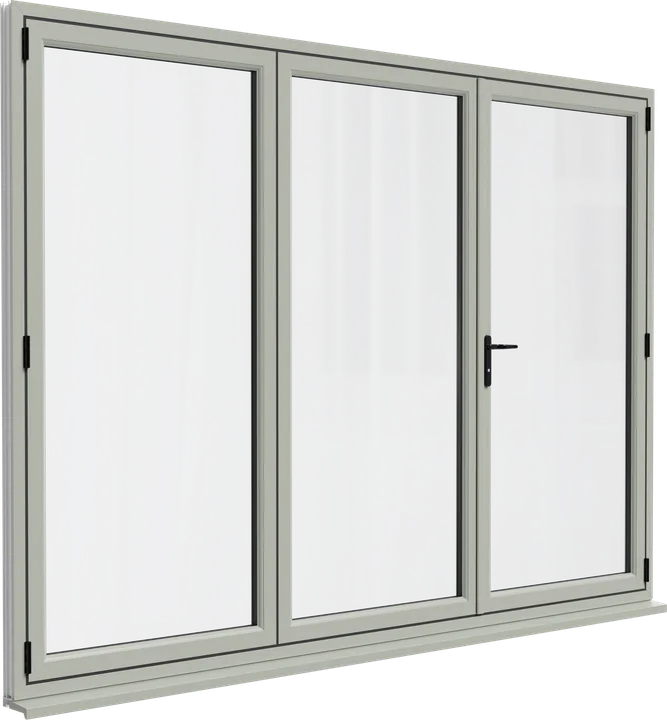
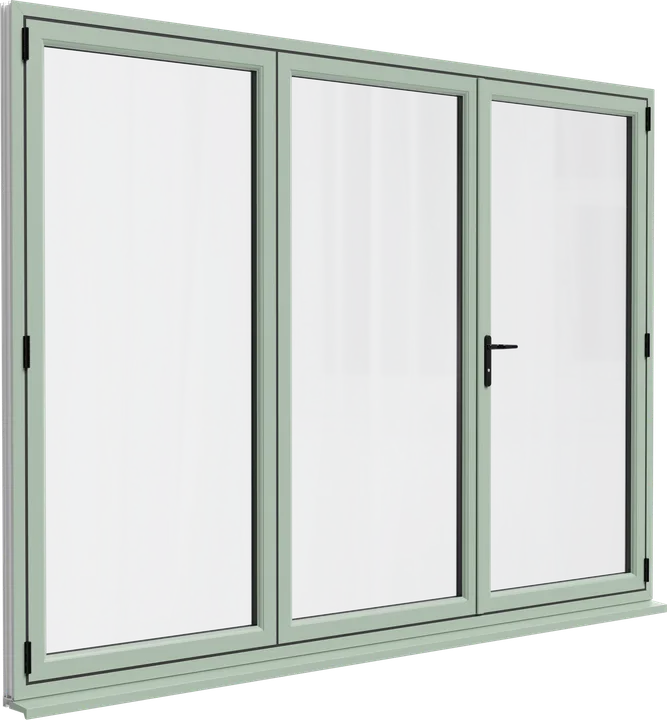
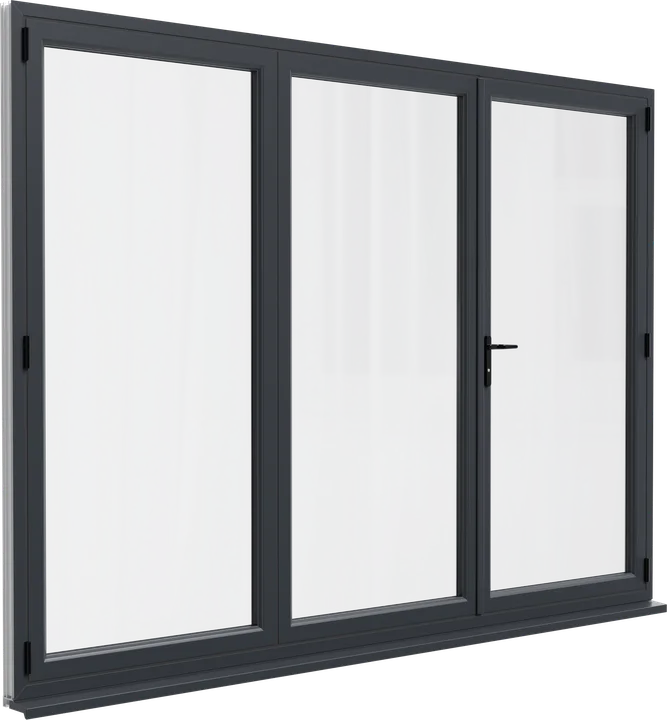
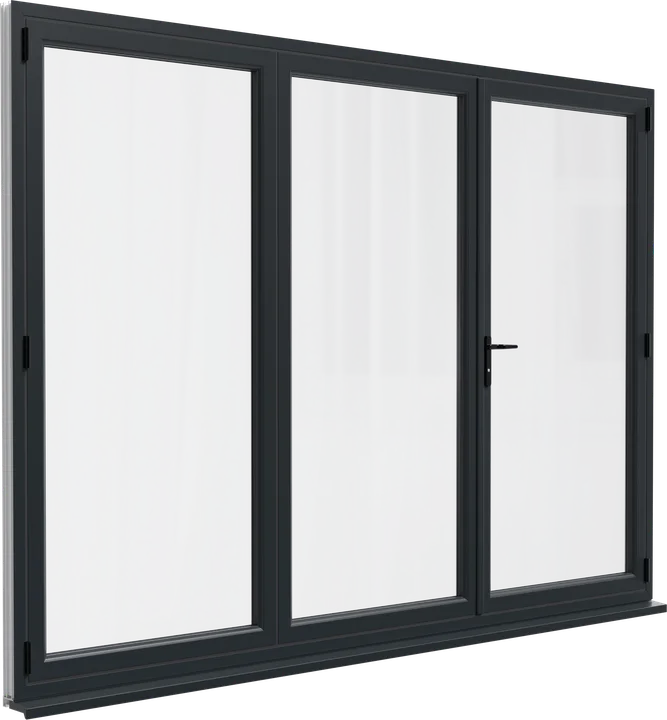
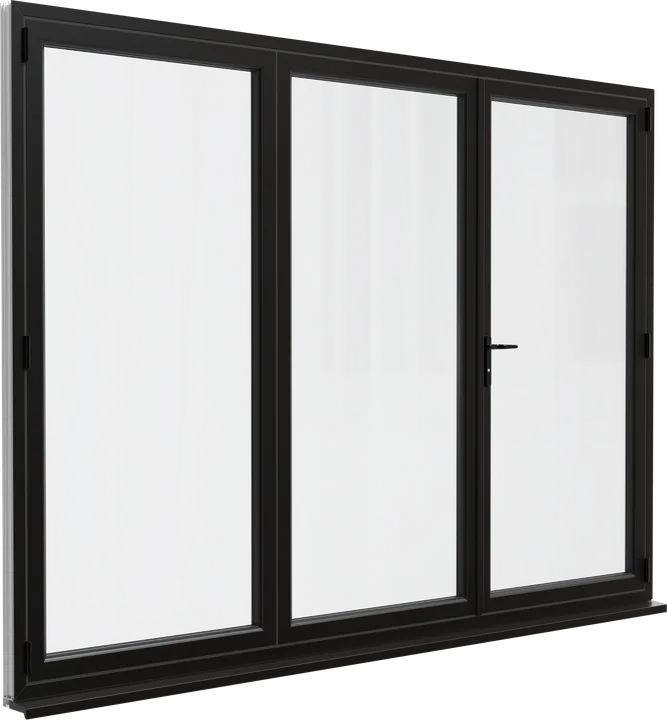
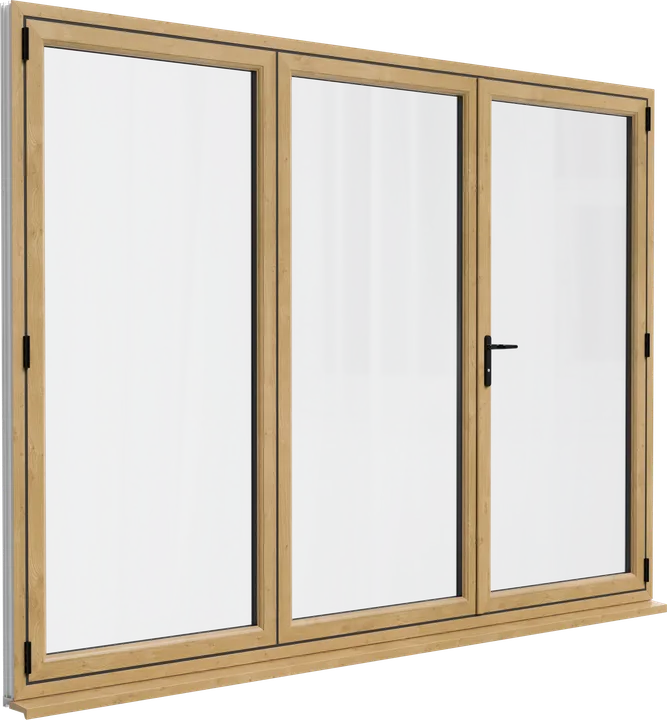
Standard bi-fold doors
Shown in White
The plain and simple way to open up the back of the house. Up to four panes that fold back to one side, in the same sculptured shape as the windows. Of the three Liniar bi-folds it is the most affordable.
- Up to four panes wide
- U-value of 1.3 W/m²K with double glazing
- Part M low threshold available
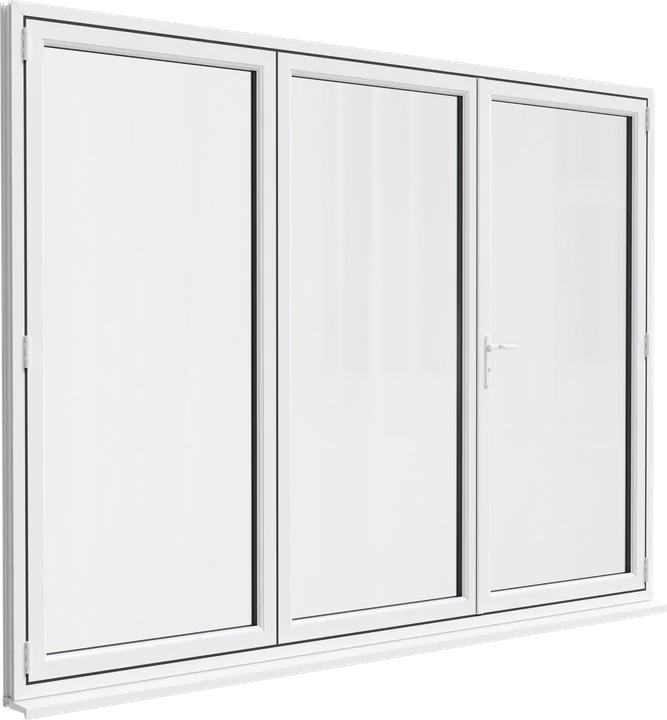
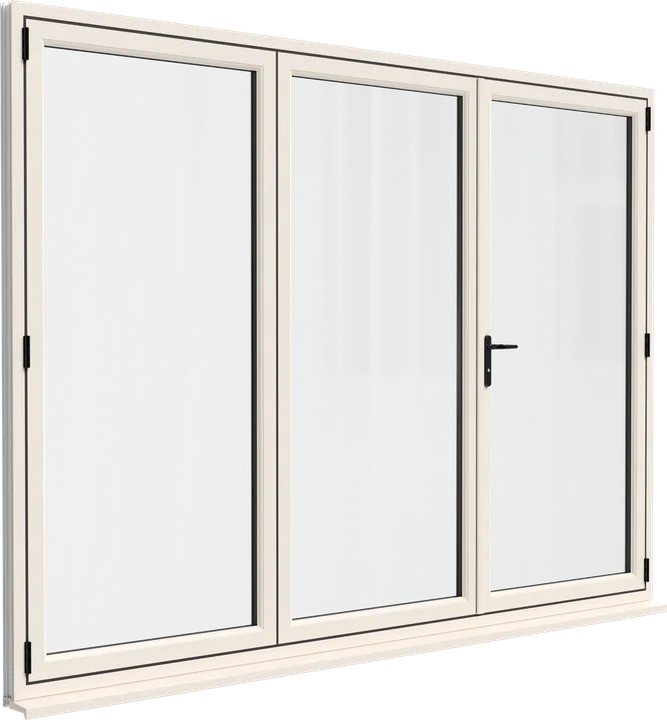
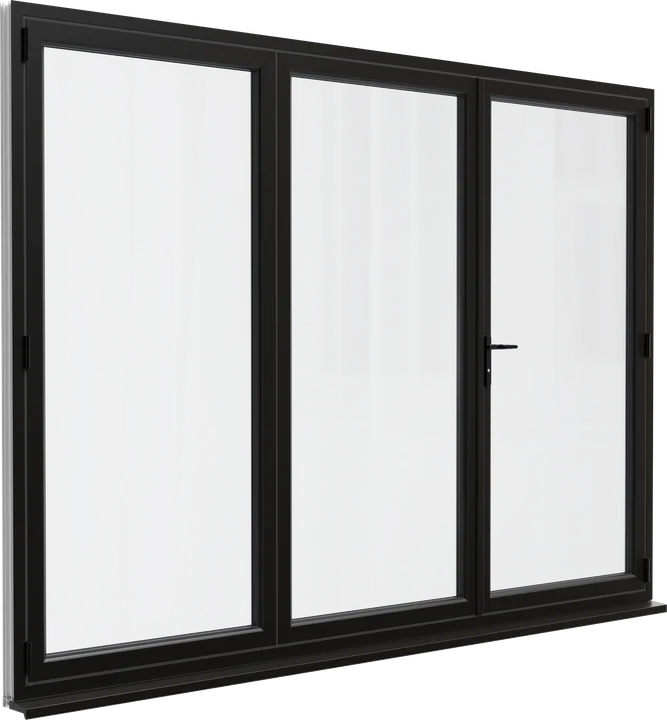
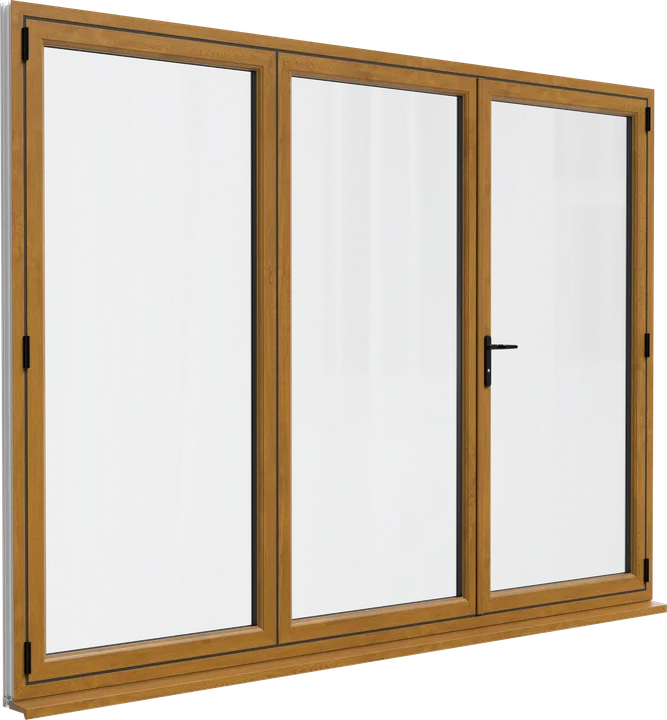
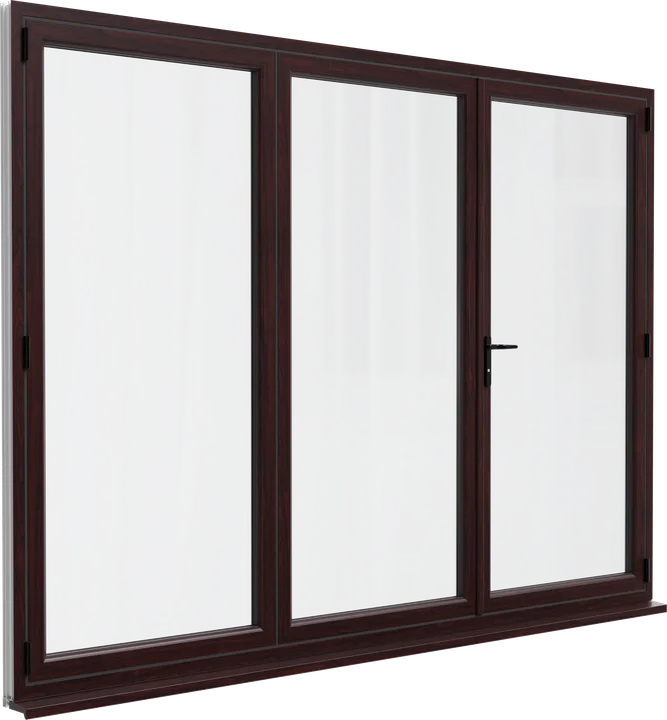
ModLok bi-fold doors
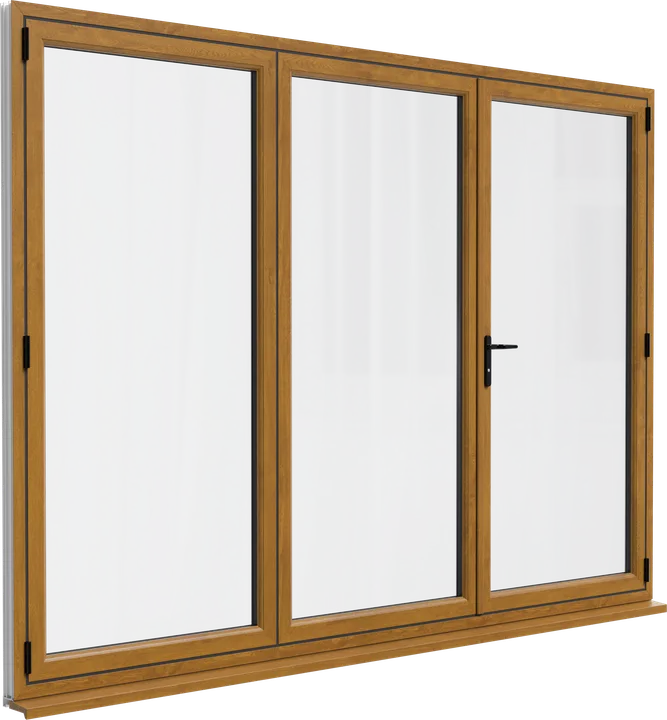
Shown in Golden Oak
uPVC outside with an aluminium frame running through it, which lets it span wider than the standard door. The locking is the serious part: hooks and shootbolts on the main door, anti-lift bolts on every other one, and the main door always has to open first, so nobody can force the wrong leaf.
- Up to seven panes wide
- PAS 24:2015, Secured by Design and Part Q
- U-values down to 1.0 W/m²K with triple glazing
- Woodgrain foils available
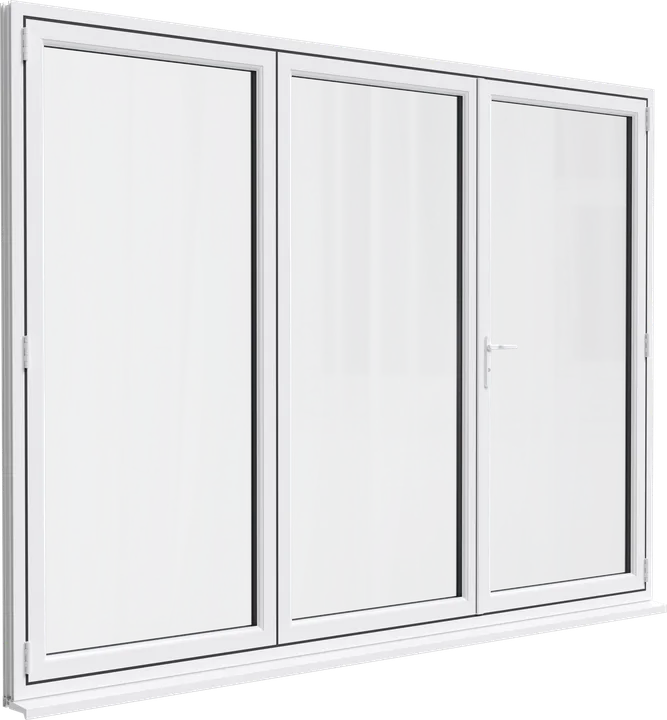
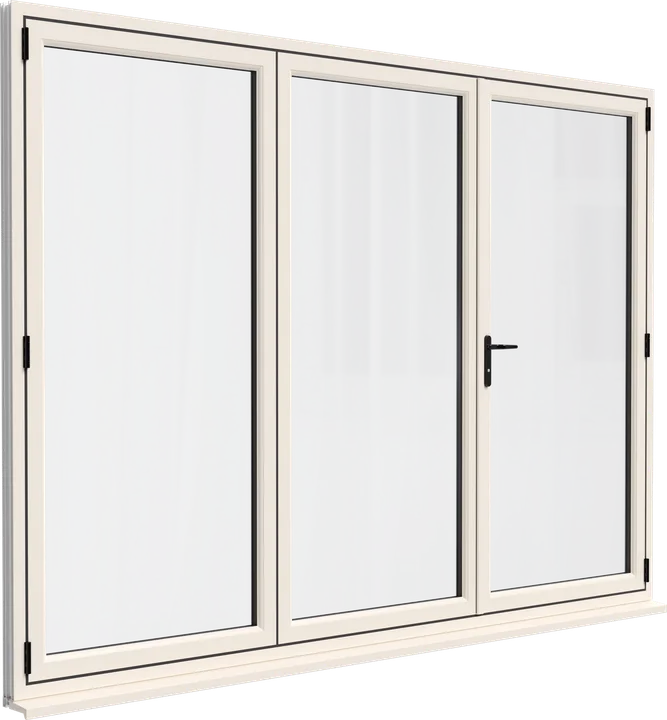
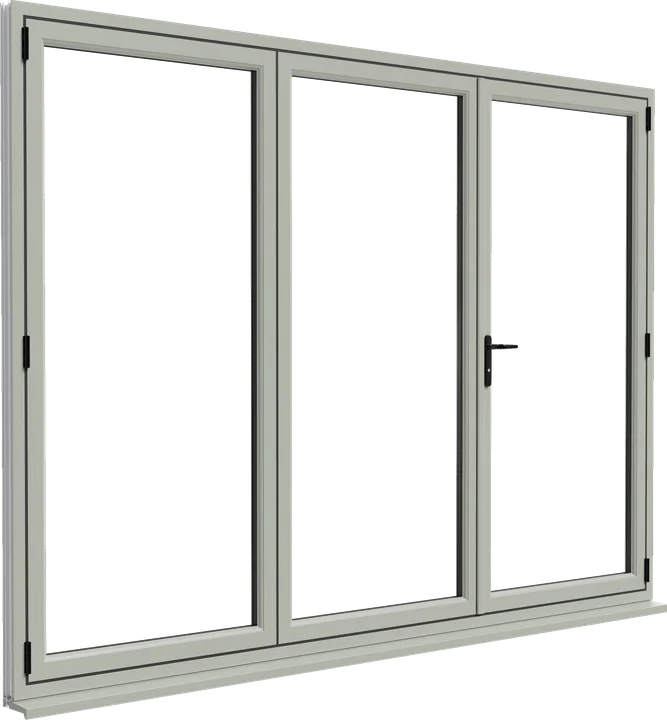
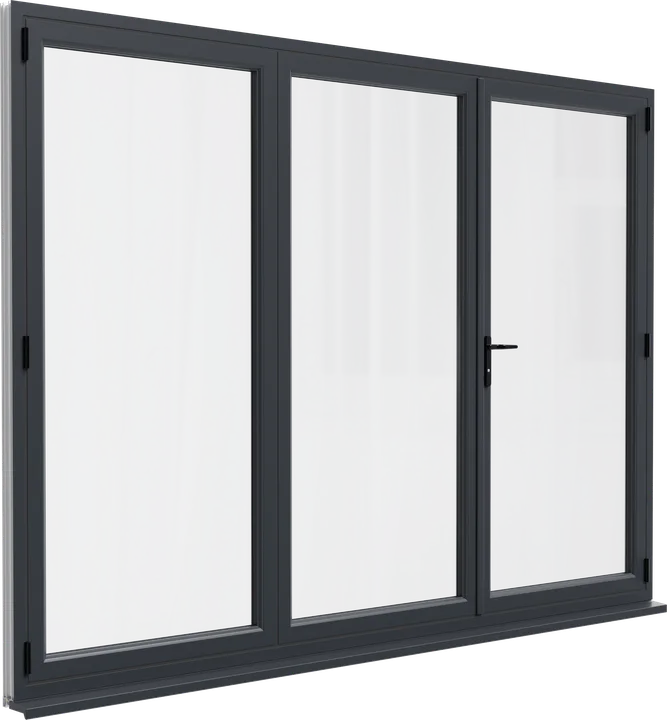
Alumina bi-fold doors
Shown in Anthracite Grey
An aluminium bi-fold shaped to match uPVC windows, so you can have aluminium at the back without it looking out of place beside everything else. Being aluminium it goes bigger, and it runs on the bottom track so the lintel is not carrying the weight. Also made as a front door and as French doors.
- Up to seven panes, each up to 2.5m high
- Openings up to around six metres
- Foiled to match your windows, or sprayed any colour
- Low threshold just 23.5mm high
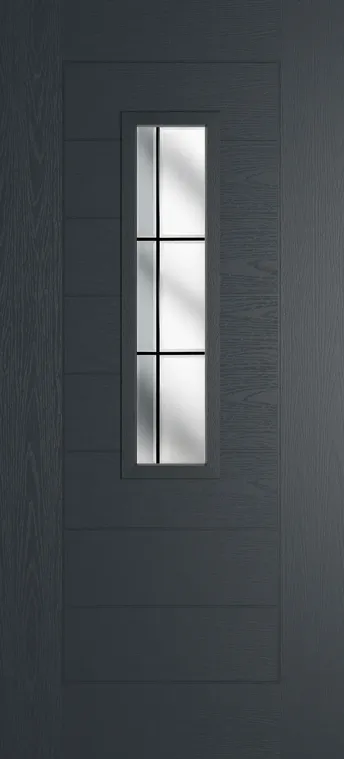
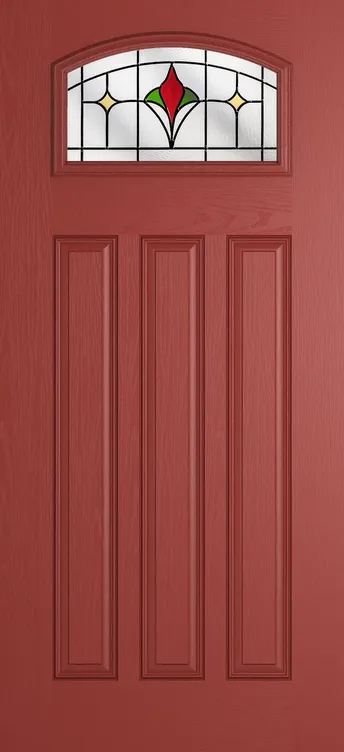
Composite doors
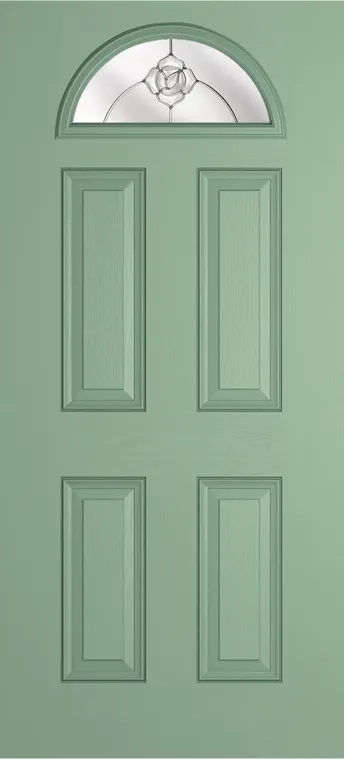
Our composite front doors come from a separate range, with its own page: fifty styles in thirty colours, every one pictured, plus glass designs and door furniture.
See the composite range
Reading a bi-fold layout
Bi-folds are described with three numbers. The first is how many panes there are, the second how many fold one way, the third how many fold the other. So a 4-3-1 is four panes, three folding to one side and a single door on its own at the other, which is handy for nipping out without opening the lot.
- 3-3-0
- 4-3-1
- 4-4-0
- 5-5-0
- 6-3-3
- 7-6-1
Standard bi-folds go up to four panes. ModLok and Alumina go up to seven. Any of them can open in or out, with the main run to the left or the right.
Patio door layouts
On a patio door, O is a fixed pane and X is one that slides. Looking from outside:
- OX / XO
- Two panes, one fixed and one sliding
- OXO
- Three panes, the middle one slides
- XOO / OOX
- Three panes, one end slides
- OXXO
- Four panes, the middle two slide apart
How they look on a house
A picture of a window on a white background tells you its shape. On a house it tells you whether the colour works with the brick and the roof.
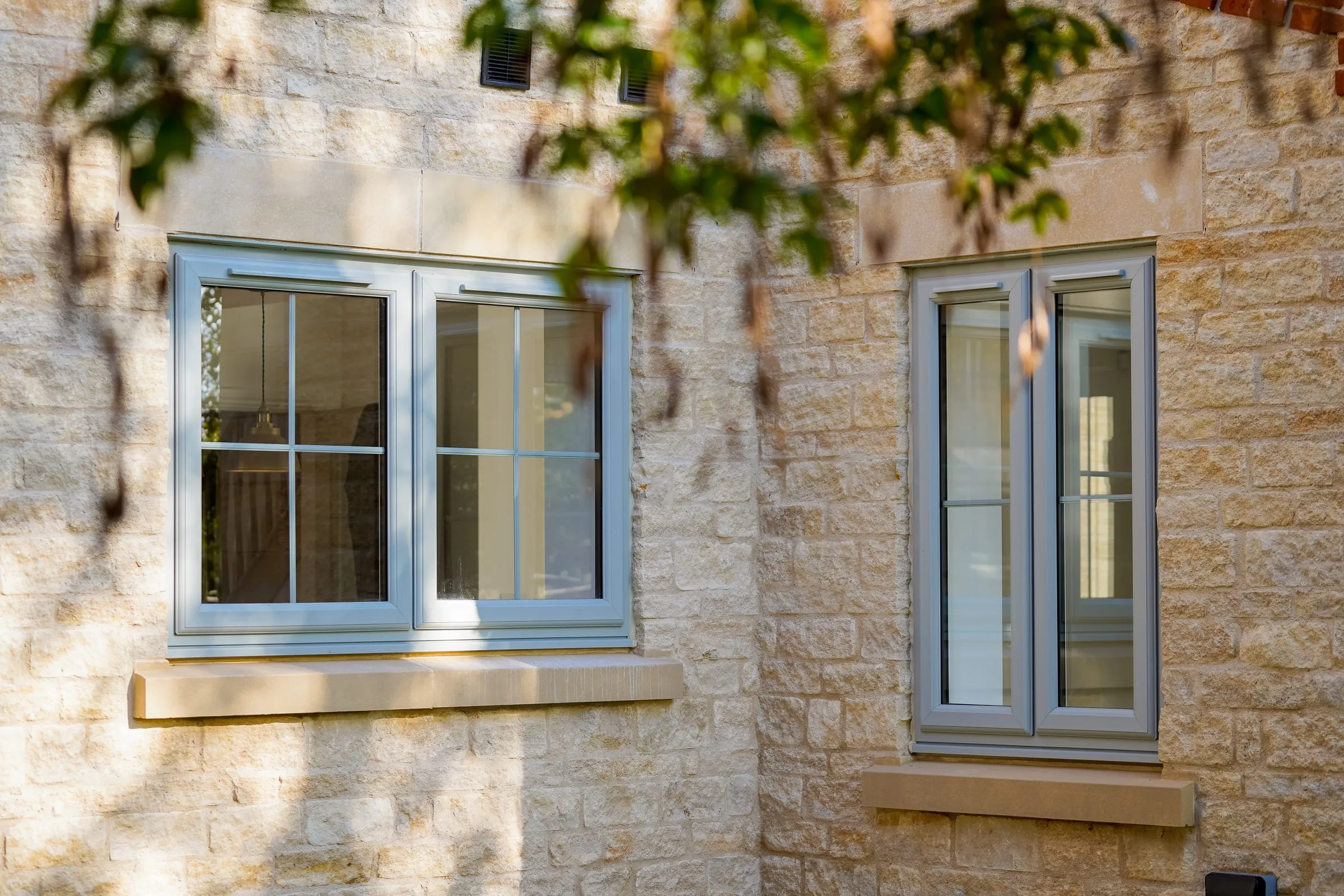
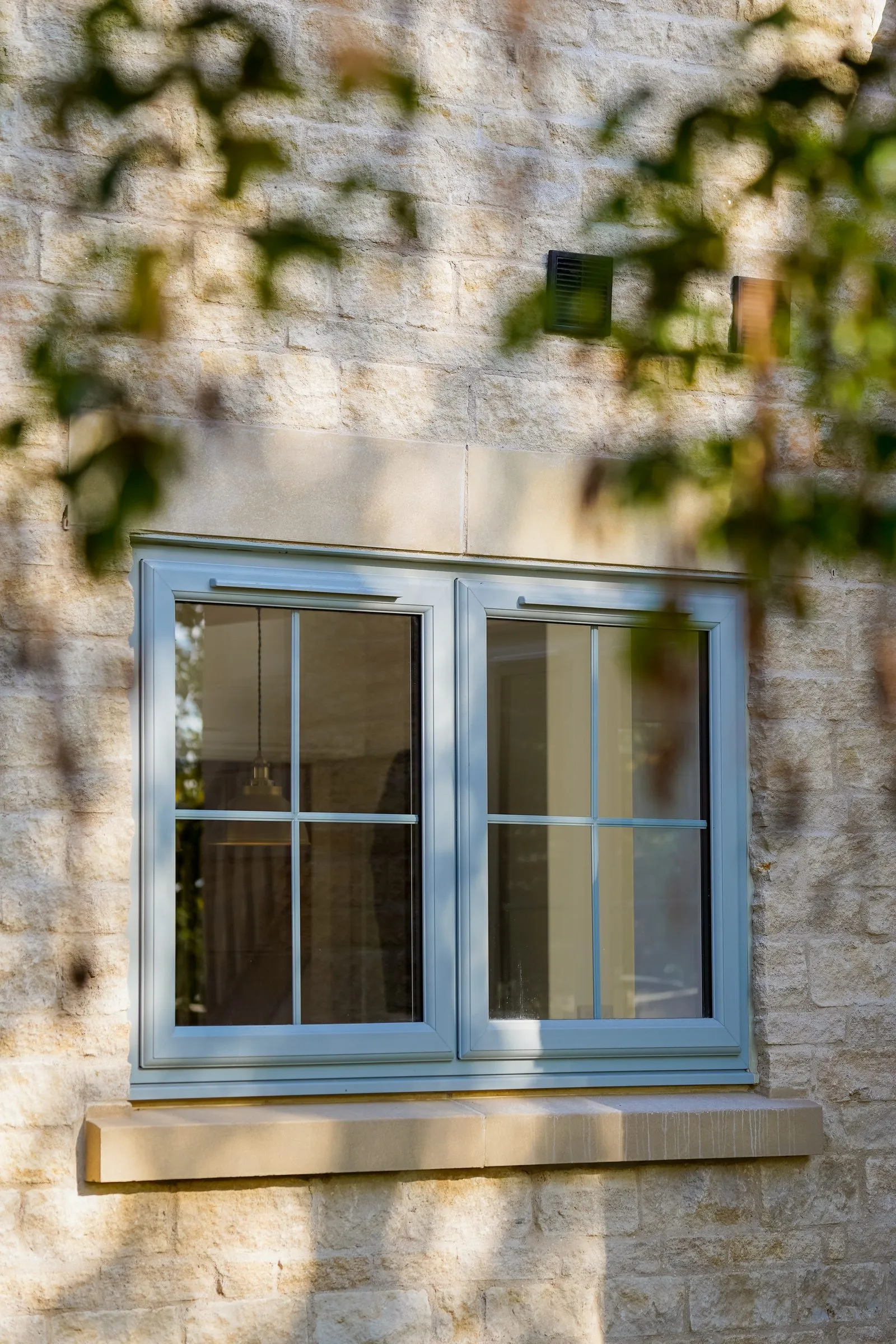
Casement windows in Agate Grey
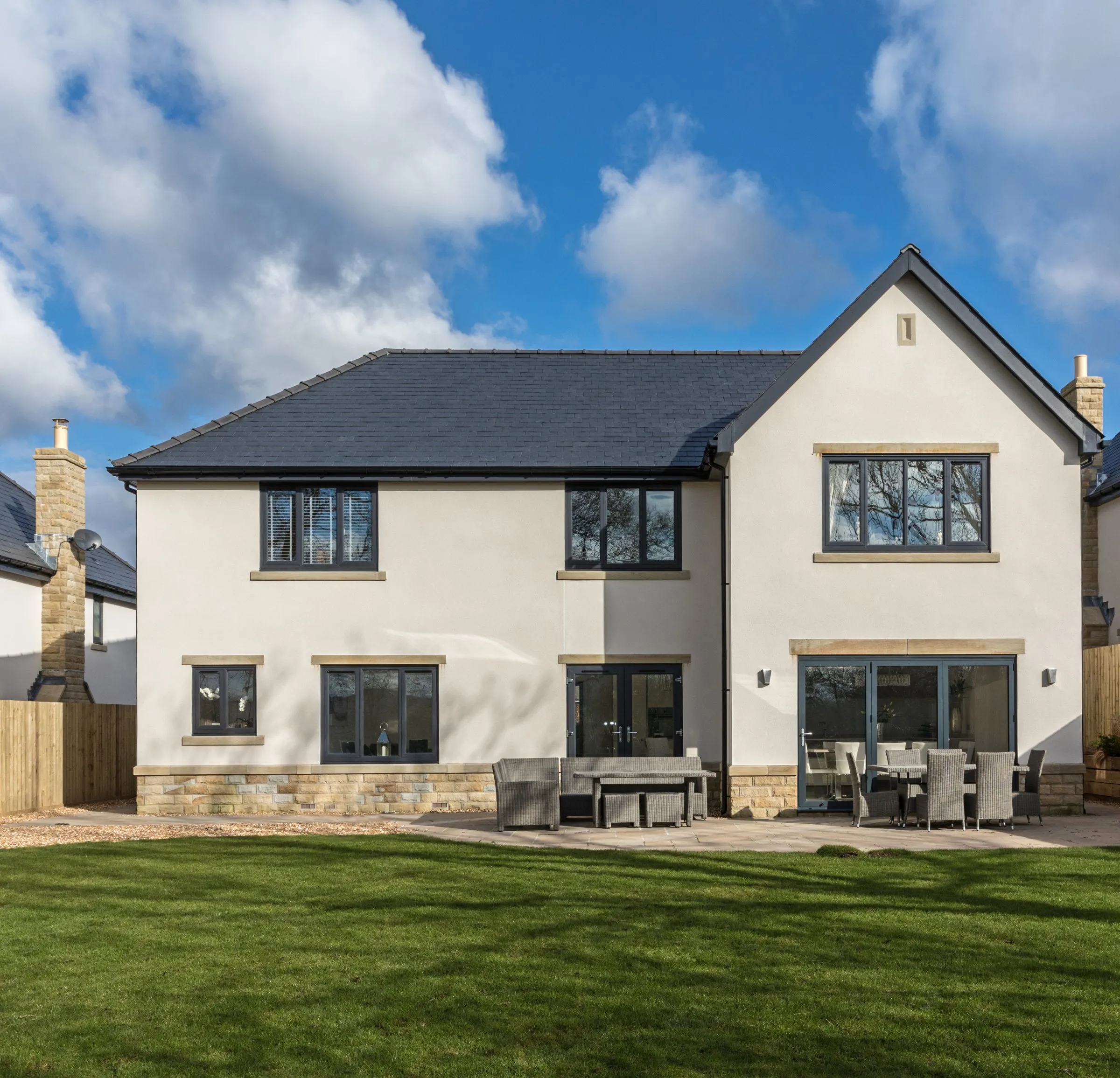
Flush sash windows in grey, right across a new house
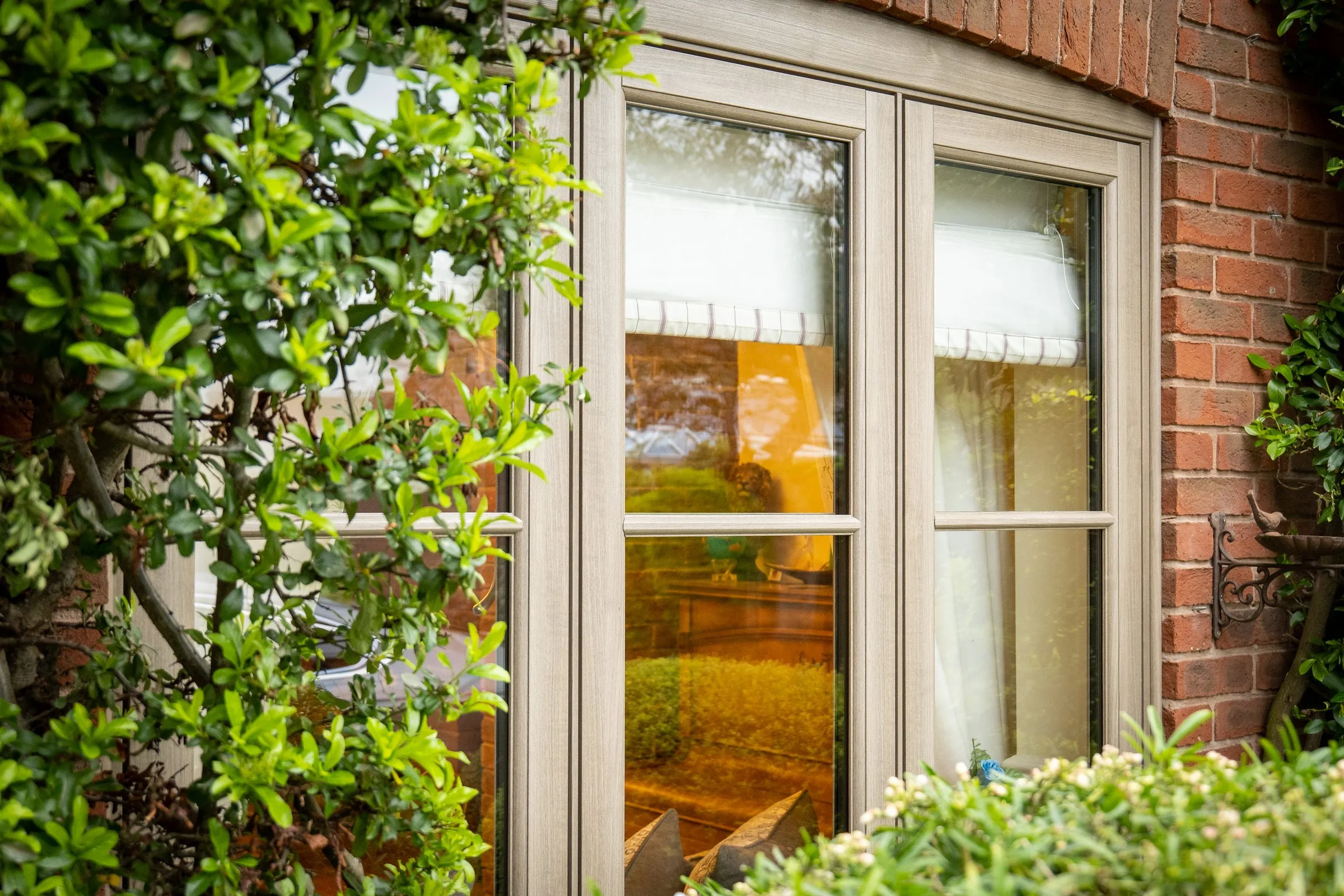
Resurgence windows in Anteak Oak
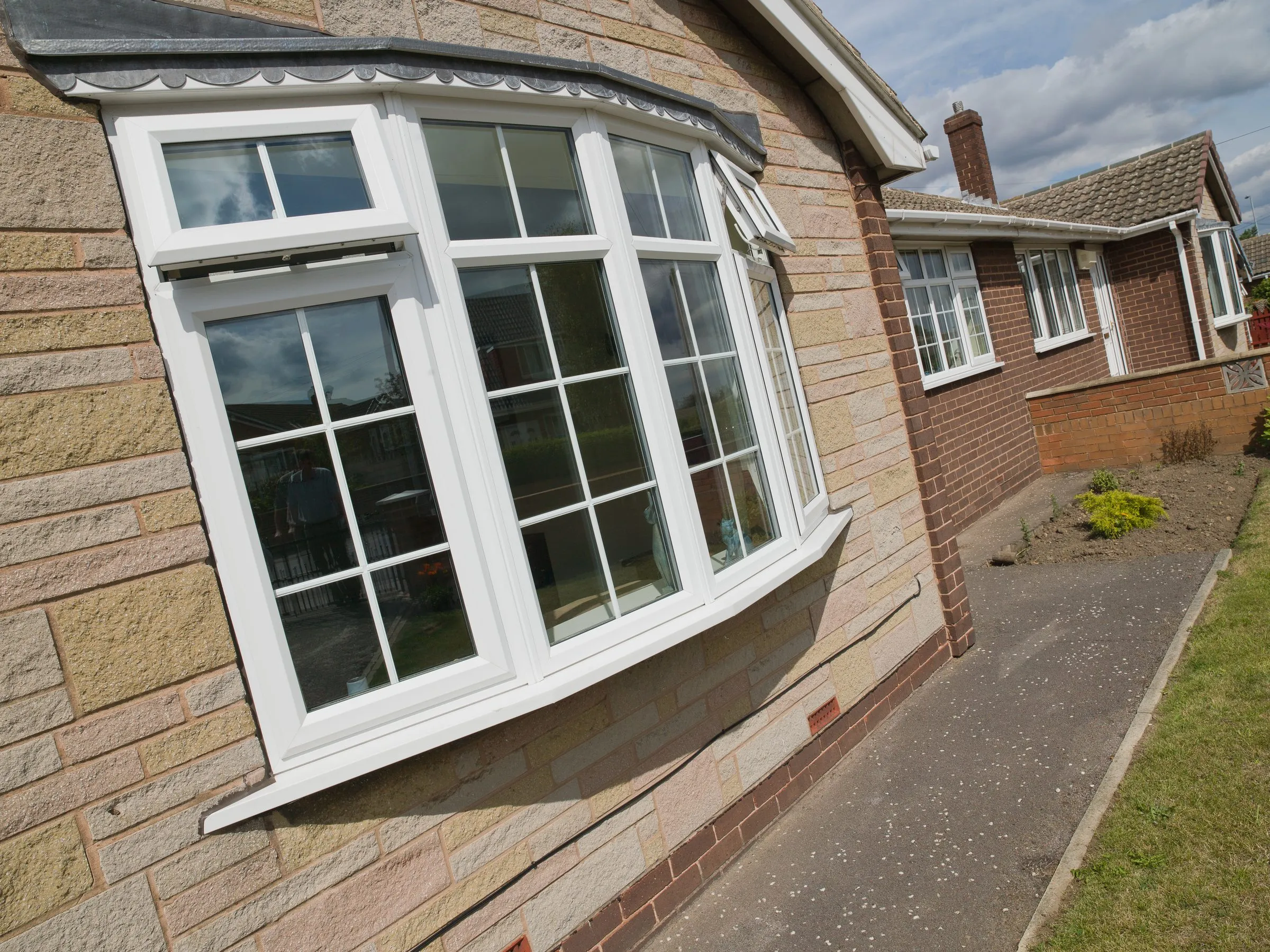
A bow window in White with Georgian bars
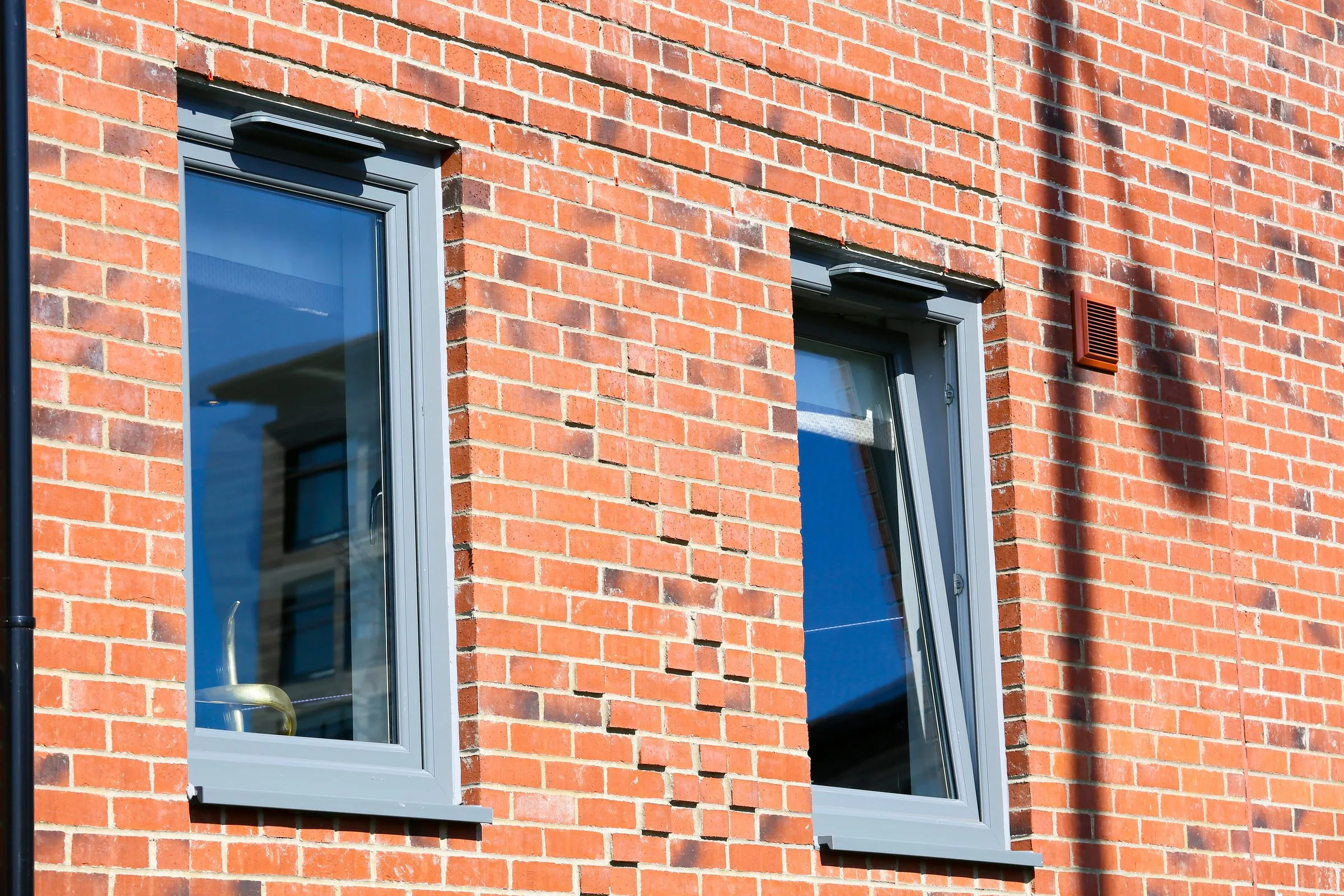
Tilt & turn windows in Basalt Grey
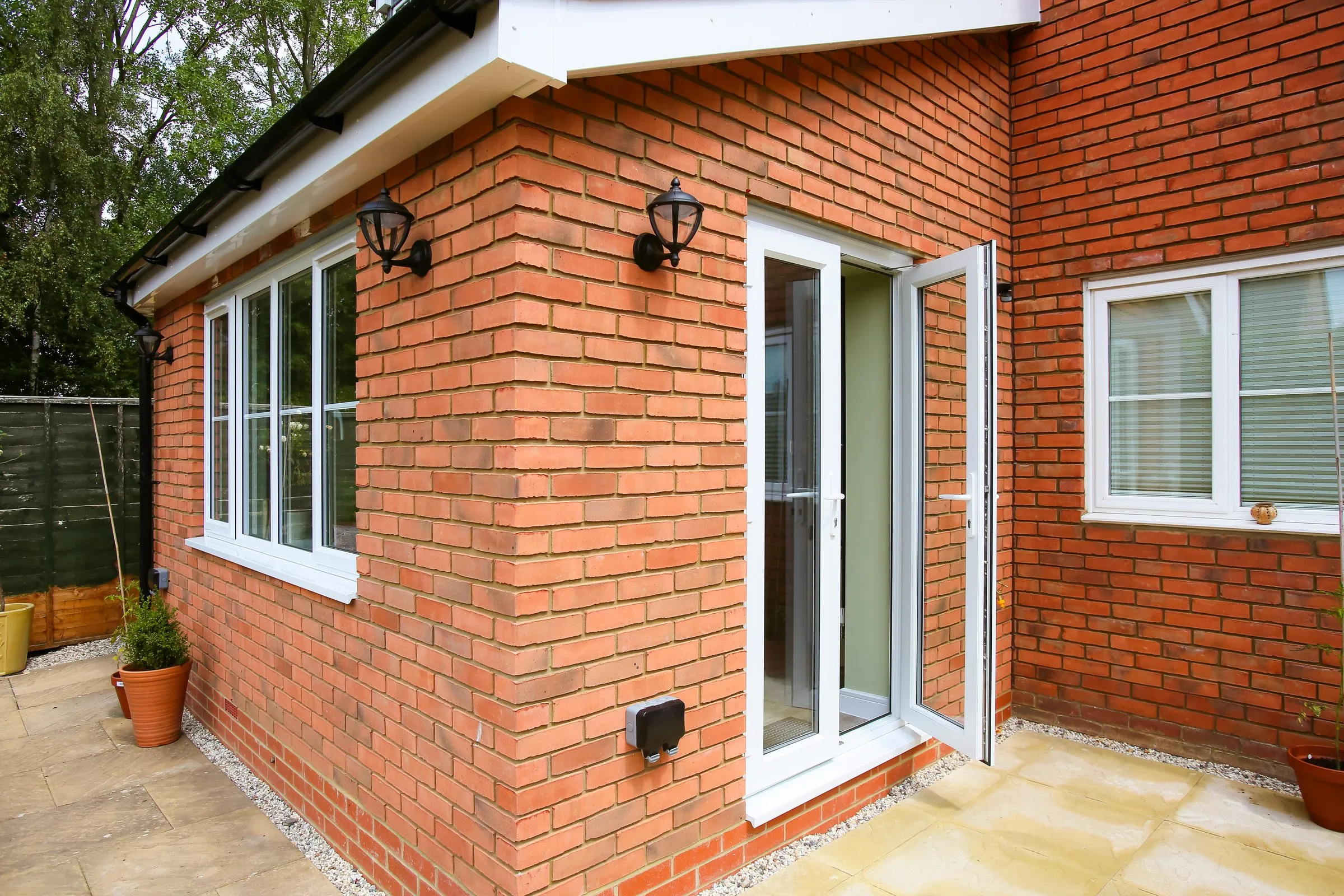
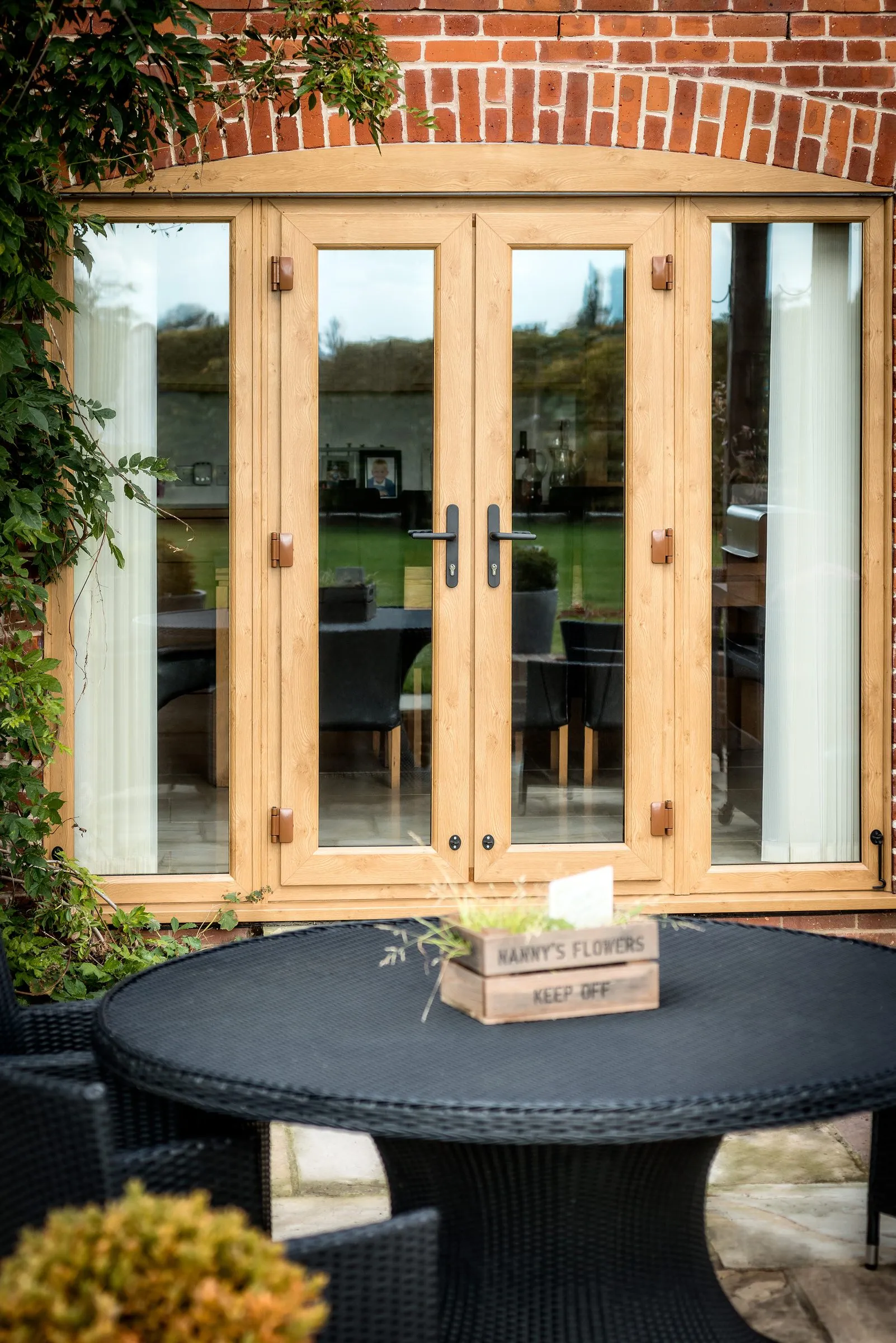
French doors in White
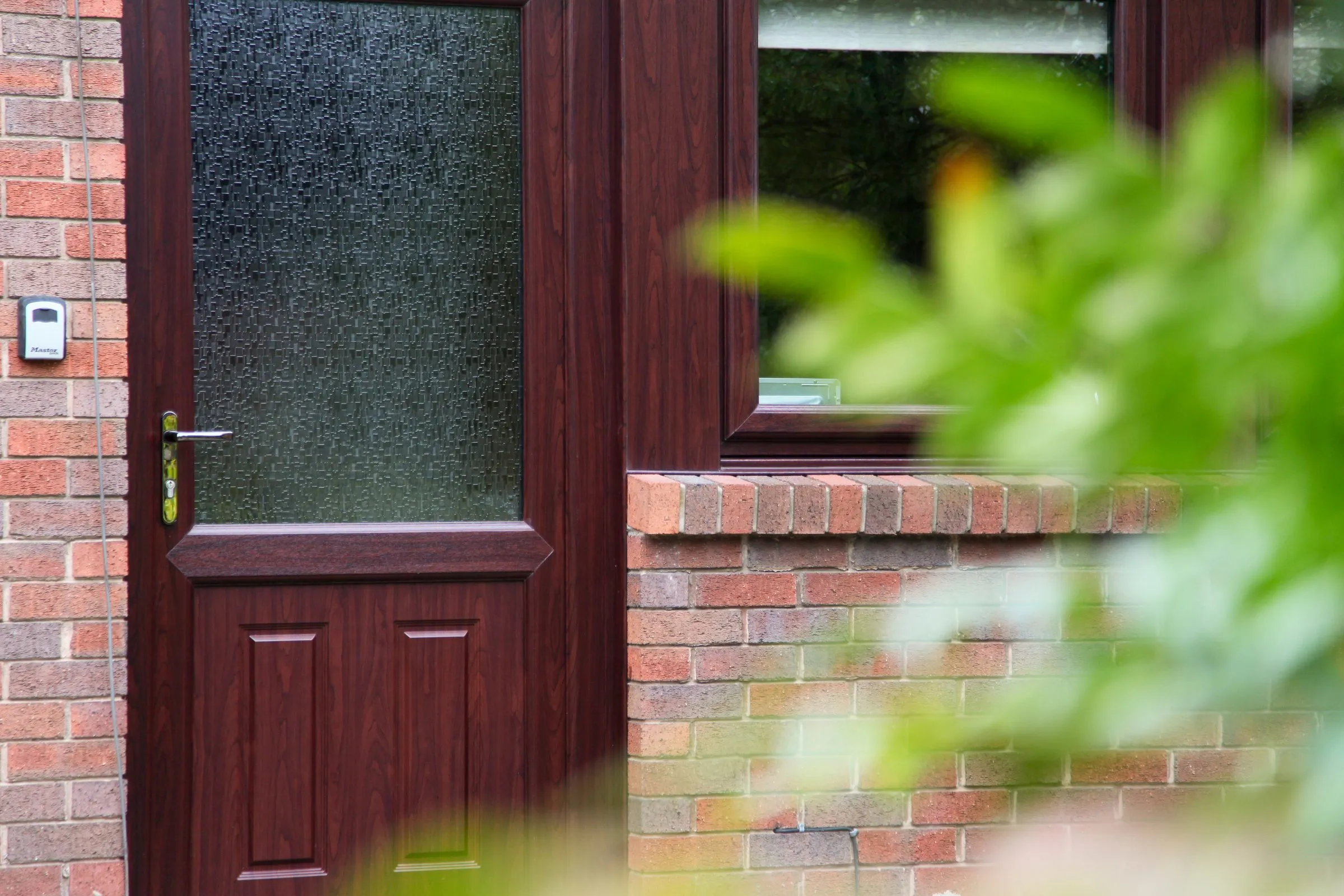
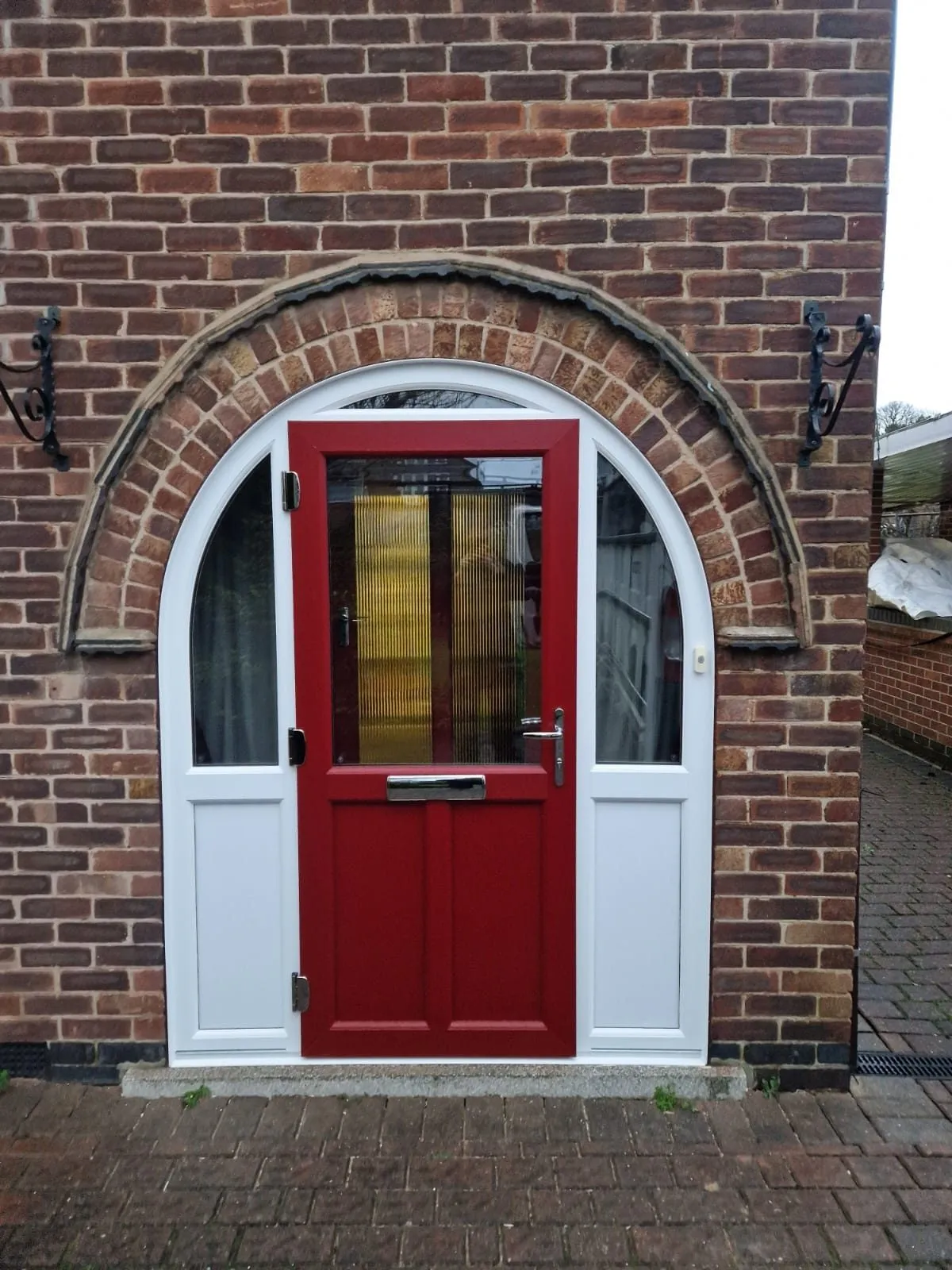
A residential door in Rosewood
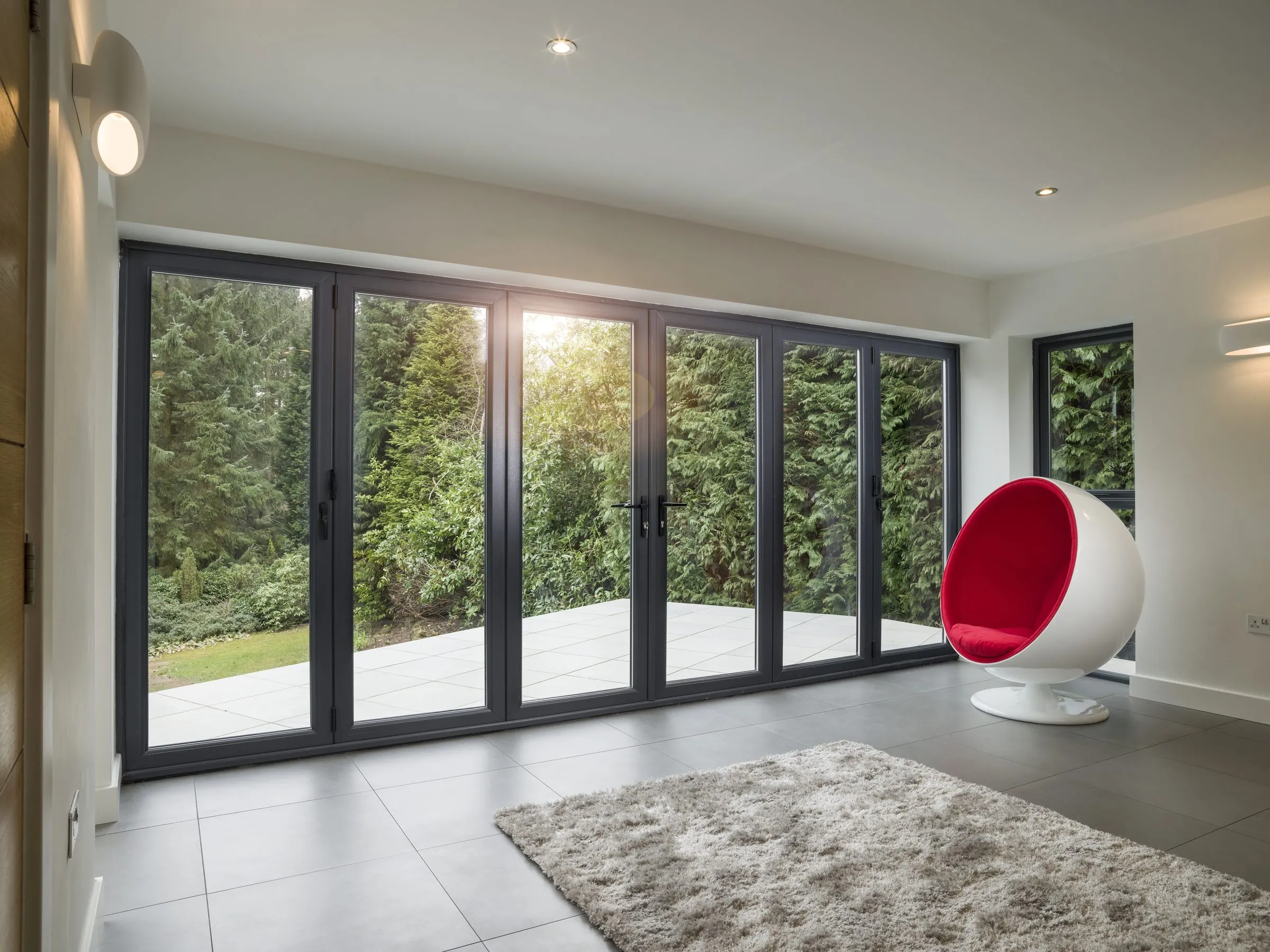
Alumina bi-fold doors in Anthracite Grey
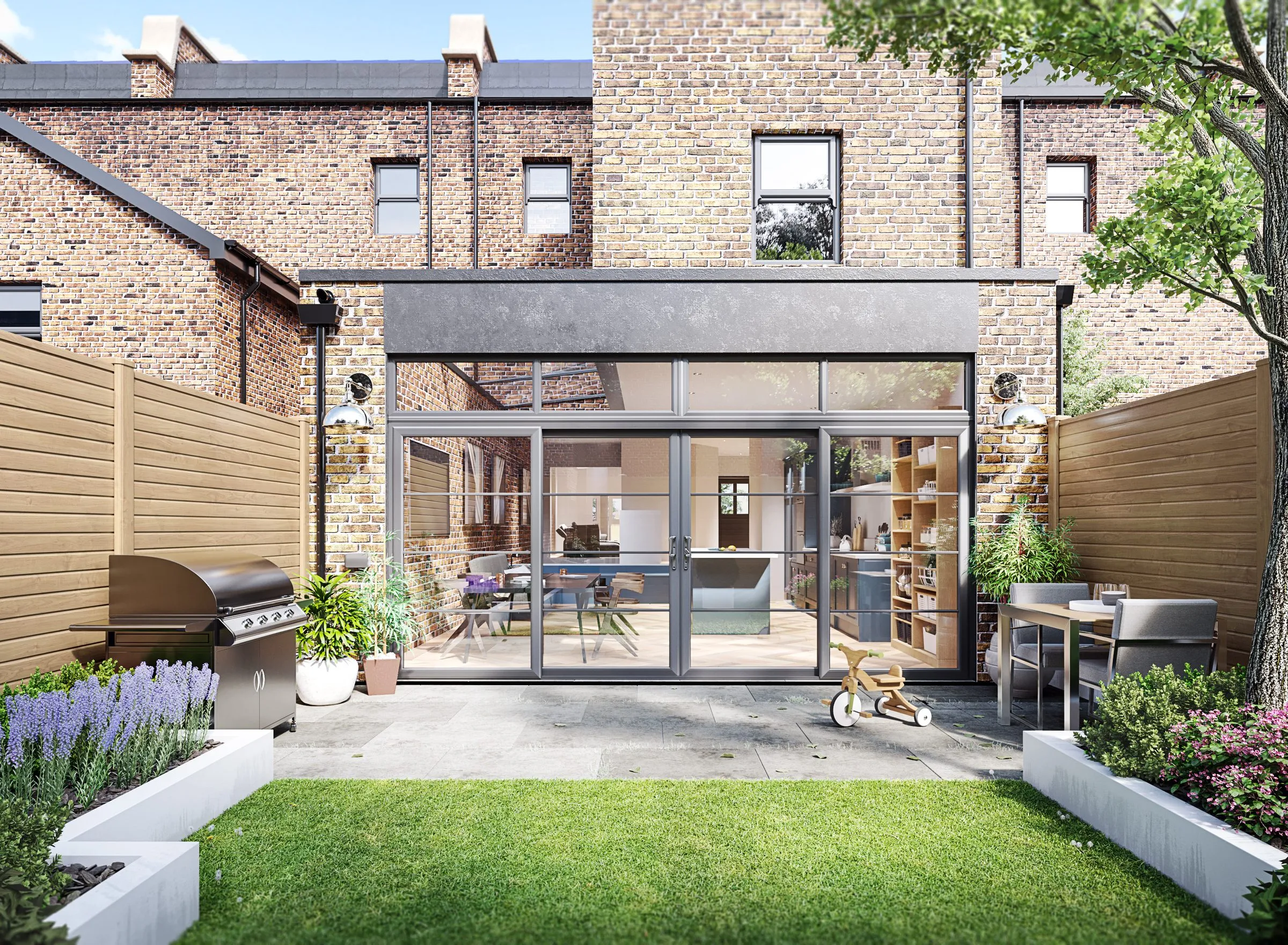
Patio doors in Anthracite Grey
38 colours
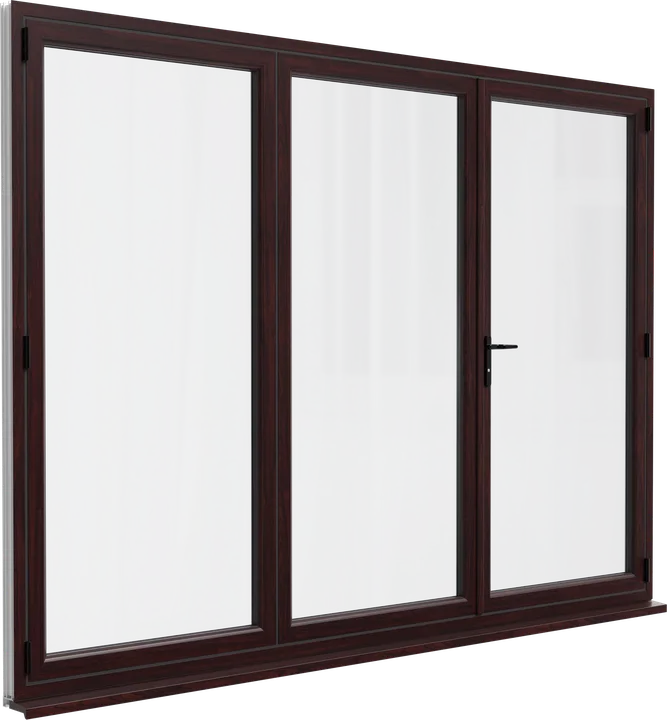
The colour is a foil bonded to the frame at the factory, not paint, so it will not flake or need redoing. It can go on the outside only, or both sides, so you can have grey outside and white in the bedrooms. Under the foil the frame itself can be white, cream, caramel, brown or black, which matters with dark colours because it is the edge you see when the window is open.
Whites, creams and soft colours

White
RAL 9010

Cream
RAL 9001
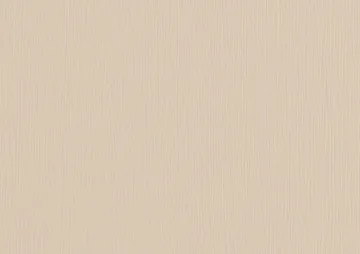
Claystone

Agate Grey
RAL 7038
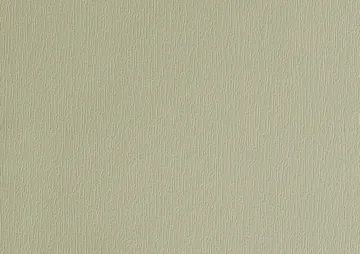
Pebble Grey
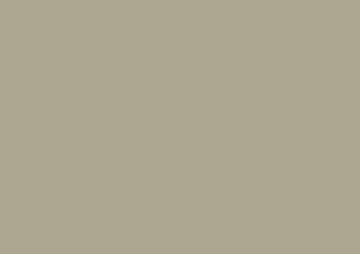
Sage

Chartwell Green
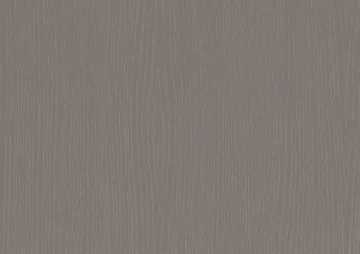
Balmoral
Greys and blacks

Anthracite Grey
RAL 7016

Anthracite Grey Smooth
RAL 7016

Gale Grey Finesse
RAL 7016

Slate Grey
RAL 7015

Basalt Grey
RAL 7012
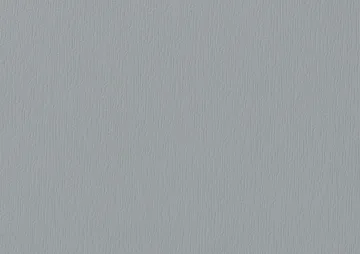
Silver Grey
RAL 7001
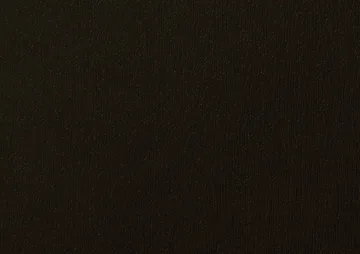
Black/Brown
RAL 8022

Black Ulti Matt
Woodgrains
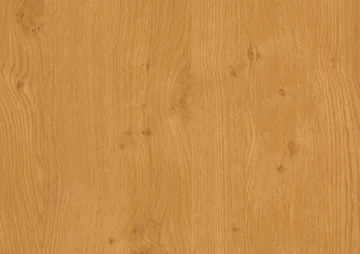
Irish Oak
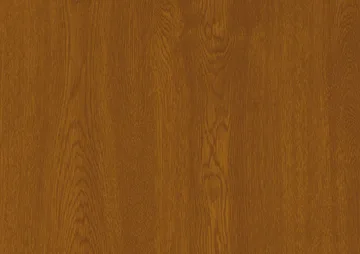
Golden Oak
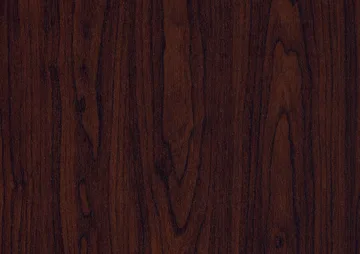
Rosewood
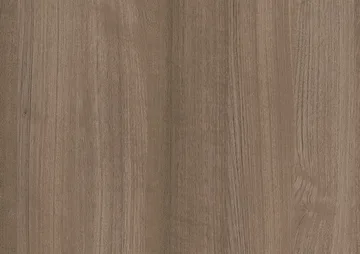
Anteak Oak
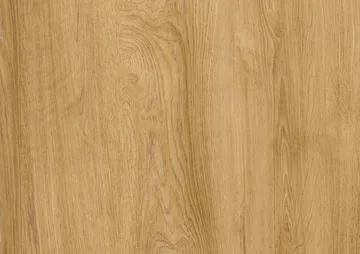
Turner Oak Malt
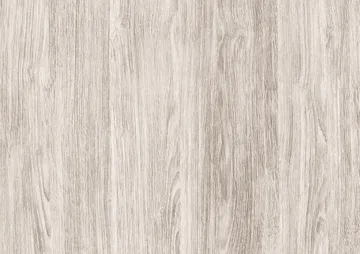
Sheffield Oak Alpine
Metallics
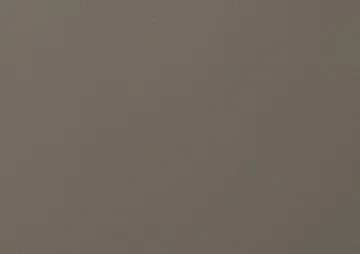
Trompet
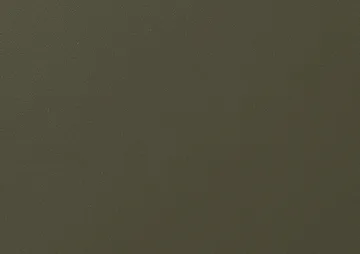
Flemish Gold
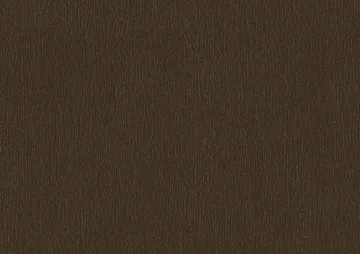
Bronze Platin
Strong colours

Dark Green
RAL 6009

Burgundy
RAL 3005

Dark Red
RAL 3011

Blue
RAL 5011
New to the chart
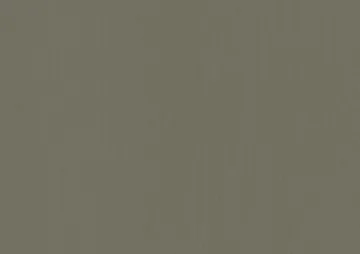
7030 Grey
RAL 7030
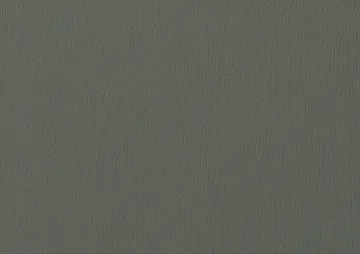
7039 Grey
RAL 7039

7044 Grey
RAL 7044

Champagne Smooth
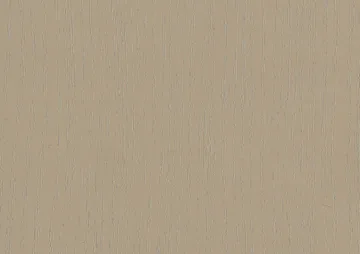
Windsor
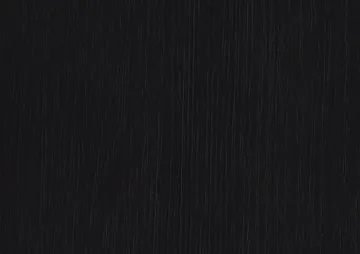
VLF Black
RAL 9011
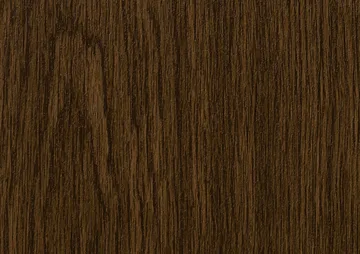
Bright Oak
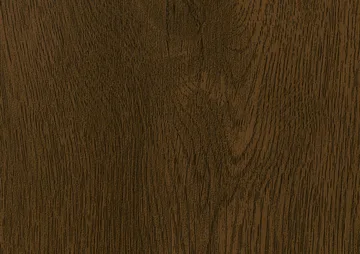
Nussbaum
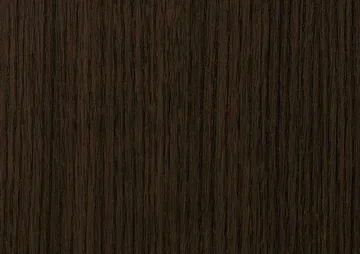
Swamp Oak
Colours on screen are only a guide. Screens vary and woodgrain never photographs quite right, so ask us to bring the swatch book before you decide. Not every colour is made on every product, and some take a little longer to arrive.
Three frames, the same look
Most of the windows and doors above come in more than one frame depth. Inside each frame are hollow chambers that slow heat on its way out. More chambers, warmer house. The U-value is how much heat gets through, so lower is better.
Standard
- Depth
- 70mm
- Chambers
- 4
- U-value from
- 1.2
Four chambers inside the frame. It already beats most uPVC windows on heat loss, and it is the right choice for most houses.
EnergyPlus
- Depth
- 70mm
- Chambers
- 6
- U-value from
- 0.8
Six chambers in the same size frame, so from outside you cannot tell it from the standard one. It reaches A++ without needing special glass or inserts.
EnergyPlus90
- Depth
- 90mm
- Chambers
- 9
- U-value from
- 0.6
A deeper frame with nine chambers. It was the first uPVC window in the UK certified to Passive House standard, and it cuts outside noise by up to 42 decibels. Chamfered edge only.
U-values in W/m²K, for the frame and glass together at their best. Your quote will give the figure for the windows you actually order.
The seal
Liniar's bubble gasket is made as part of the frame rather than pushed in afterwards, and it runs unbroken round the corners. That is where draughts usually find their way in on older windows.
Energy ratings
Windows are rated from A++ down to E on the BFRC scale, which measures how well a window keeps heat in, keeps wind out and resists condensation. Liniar windows can reach A++. The final rating depends on the glass, so we will confirm it on your quote.
Sculptured or chamfered
Sculptured frames have a soft curved edge, chamfered ones a flat bevel. Sculptured tends to suit older houses, chamfered newer ones, but it is really down to taste. Not every product comes in both.
Glass
Most of the range takes either 28mm double glazing or 36mm triple glazing. Triple is warmer and quieter but heavier and dearer, so it is worth talking through which rooms it makes sense for.
Options and finishing touches
The things that come up when we measure up. None of them are compulsory, and we will tell you if one is not worth the money for your house.
Georgian bars
Liniar's bars go on both faces of the glass, so they look like proper glazing bars rather than a grid trapped between the panes. They snap in before the glass goes in and do not come off when the window is cleaned.
Arched heads
The frame can be bent to follow an arched opening, so a curved top no longer means a square window with a filled-in gap above it.
Patterned and decorative glass
A wide choice of patterned, etched and coloured glass for windows, doors and side panels, in double or triple glazing. We bring samples when we measure up.
Thresholds
Doors come with a uPVC frame all round and an optional cill. A low aluminium threshold or a full Part M level threshold is available if a wheelchair, pram or anyone unsteady on their feet uses the door.
Handles and hardware
Locking handles as standard, in a good range of styles and colours. Patio and bi-fold handles come in black, white, dark chrome, light chrome and gold.
Child restrictors
They go on nearly every window in the range and stop it opening more than a few inches.
Hinge guards
An extra bit of security on the hinge side, so the opening part cannot be levered out from outside.
Escape windows
Bedrooms upstairs usually need a window big enough to climb out of in a fire. French windows and tilt & turn windows give the widest clear opening for the size.
Matching fascias and soffits
Liniar make roofline boards in the same foils as the windows, so the whole front of the house matches. Their fascias are 20mm thick rather than the usual 16mm, and carry the same ten year guarantee.
Need the glass changing in a window you already have? We replace sealed units too.
Security and standards
The same locks, testing and guarantee behind every product on this page.
Locks and security
- Multi-point locking as standard
- Tested to PAS 24, the BSI test for windows and doors that resist forced entry
- Secured by Design, the police-backed scheme, on the products that carry it
- Optional 3 star anti-snap cylinders on doors
Tested and approved
- Whole window system approved by the BBA
- Liniar were the first systems company registered with CORGI Fenestration
- Factory accredited to ISO 9001 for quality and ISO 14001 for the environment
- Weather, wind and cycle tested to BS 6375
Made to last
- Designed, tooled and extruded in Derbyshire
- Made from 100% lead-free uPVC, and fully recyclable
- Frames guaranteed for ten years not to warp, split or discolour
- No painting, ever. A wipe with warm soapy water keeps them right, foiled colours included
Our own work
Windows and doors we have fitted around Northampton, photographed on the day rather than in a studio.
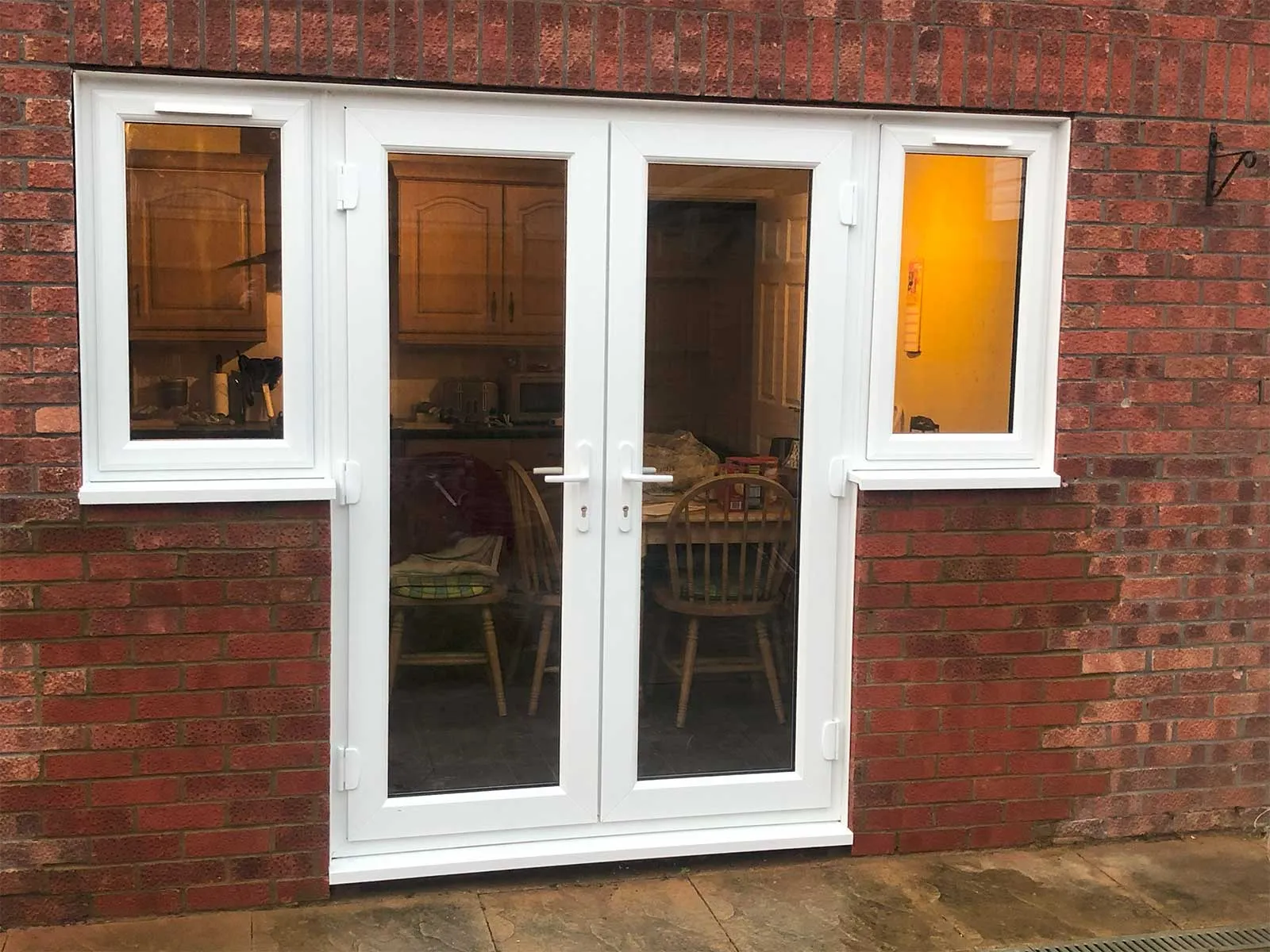
French Doors fitted in Northampton
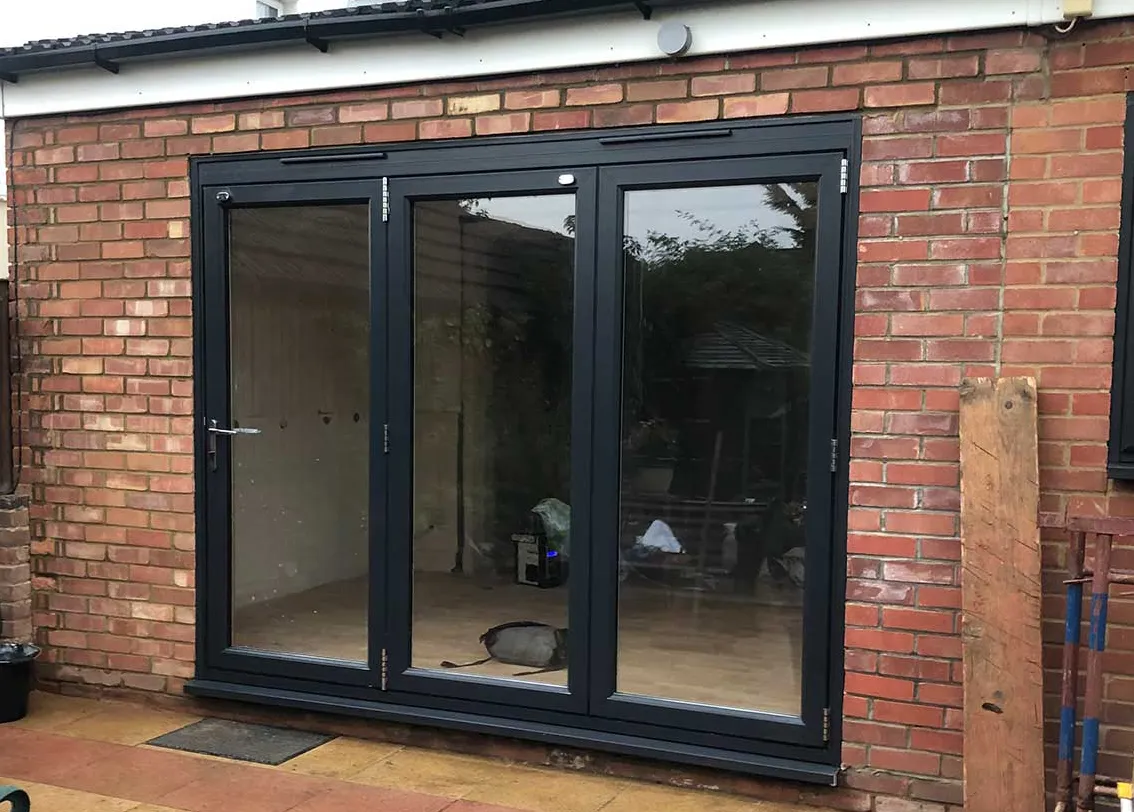
Bi-Fold Doors fitted in Northampton
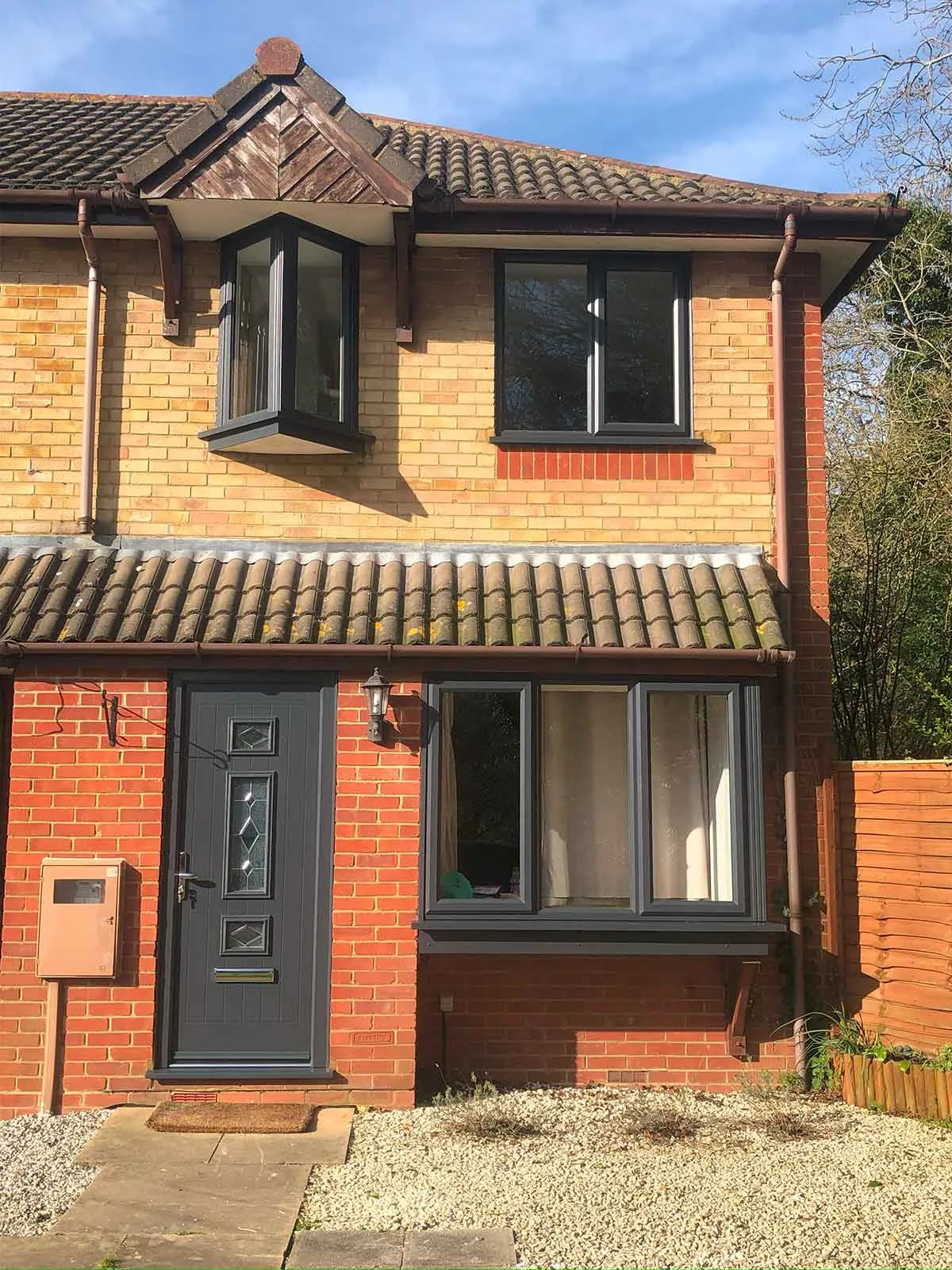
Full House Grey UPVC Doors fitted in Northampton
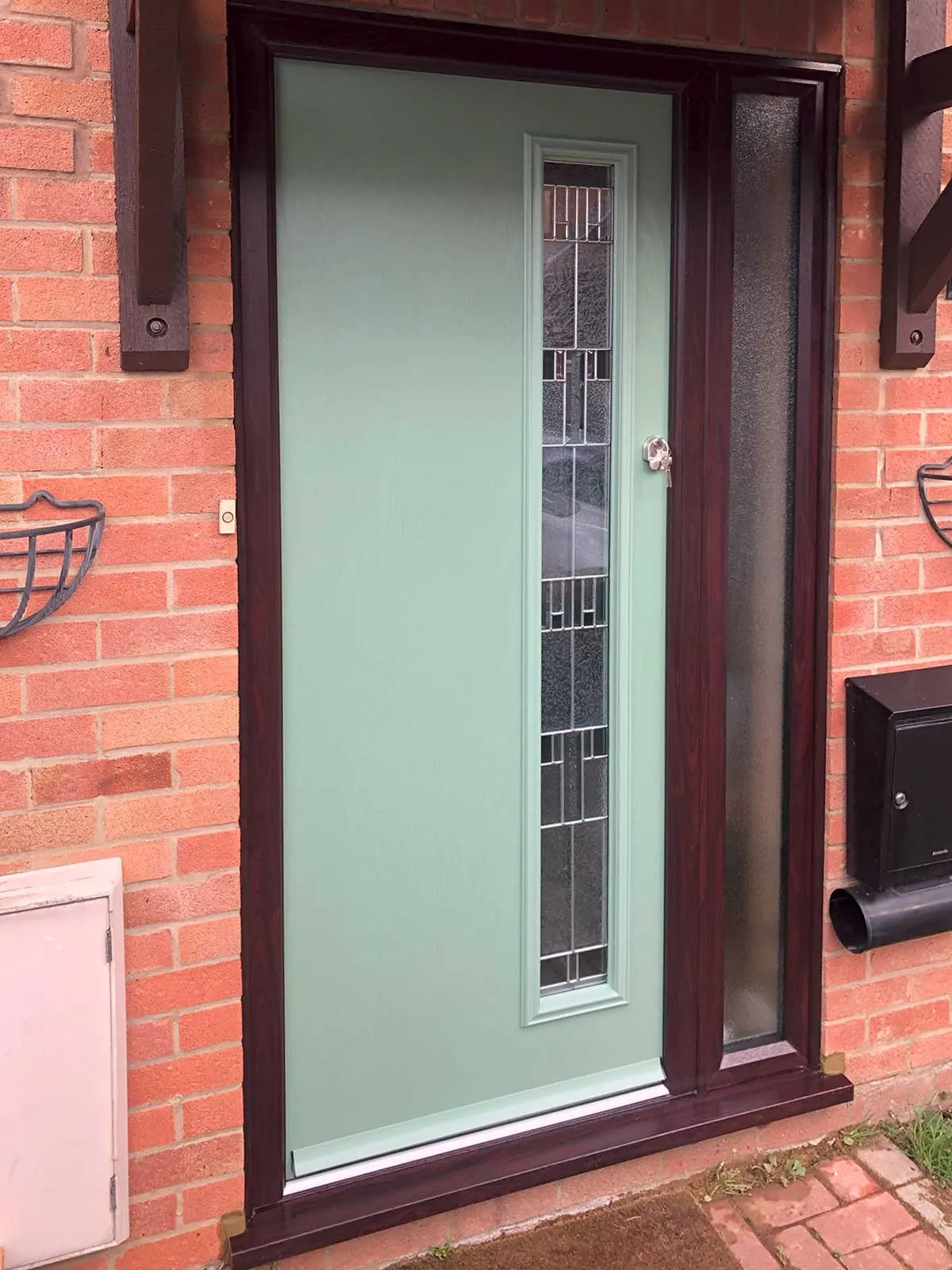
Green UPVC Door fitted in Northampton
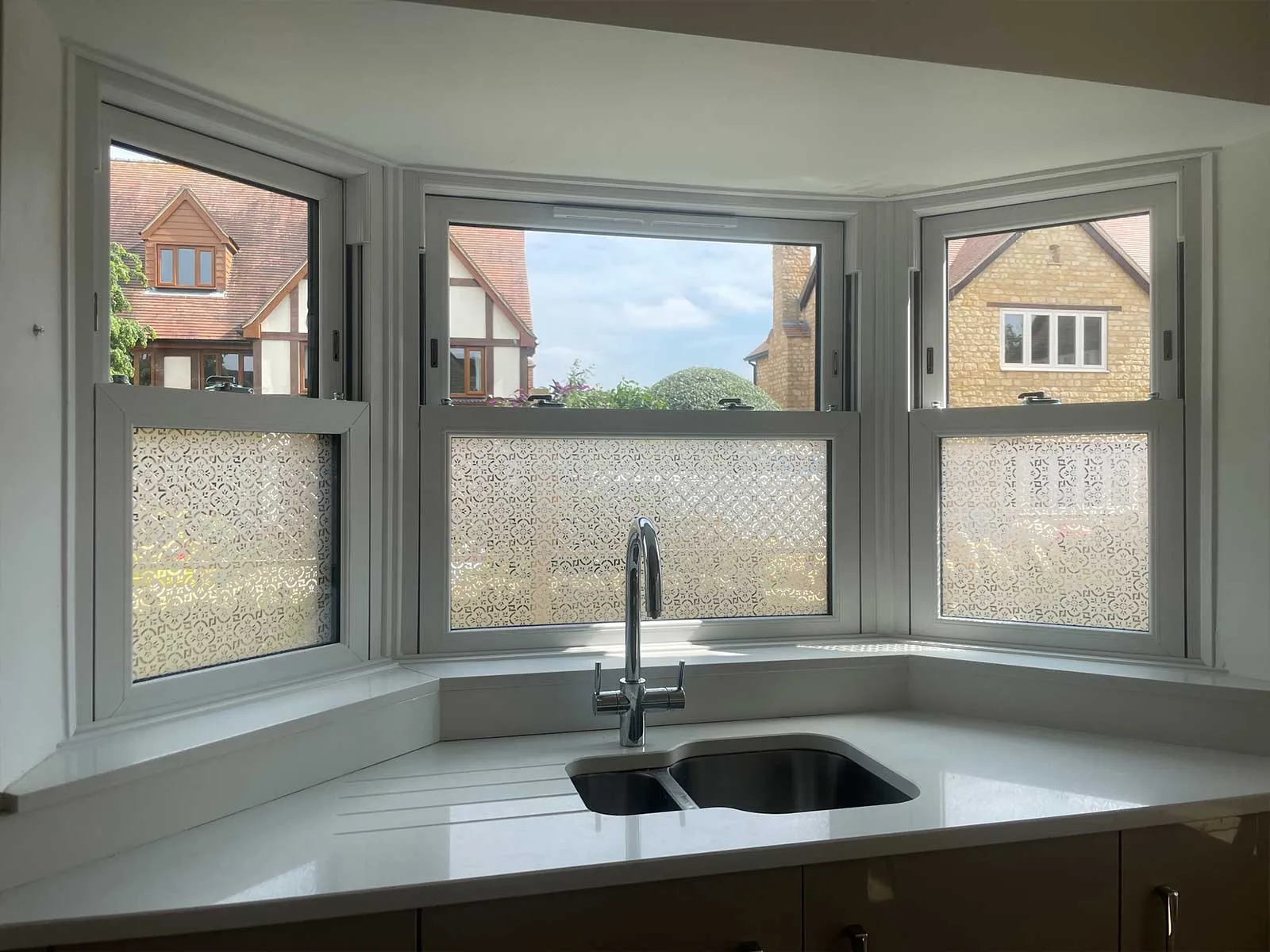
UPVC Bay Window fitted in Northampton
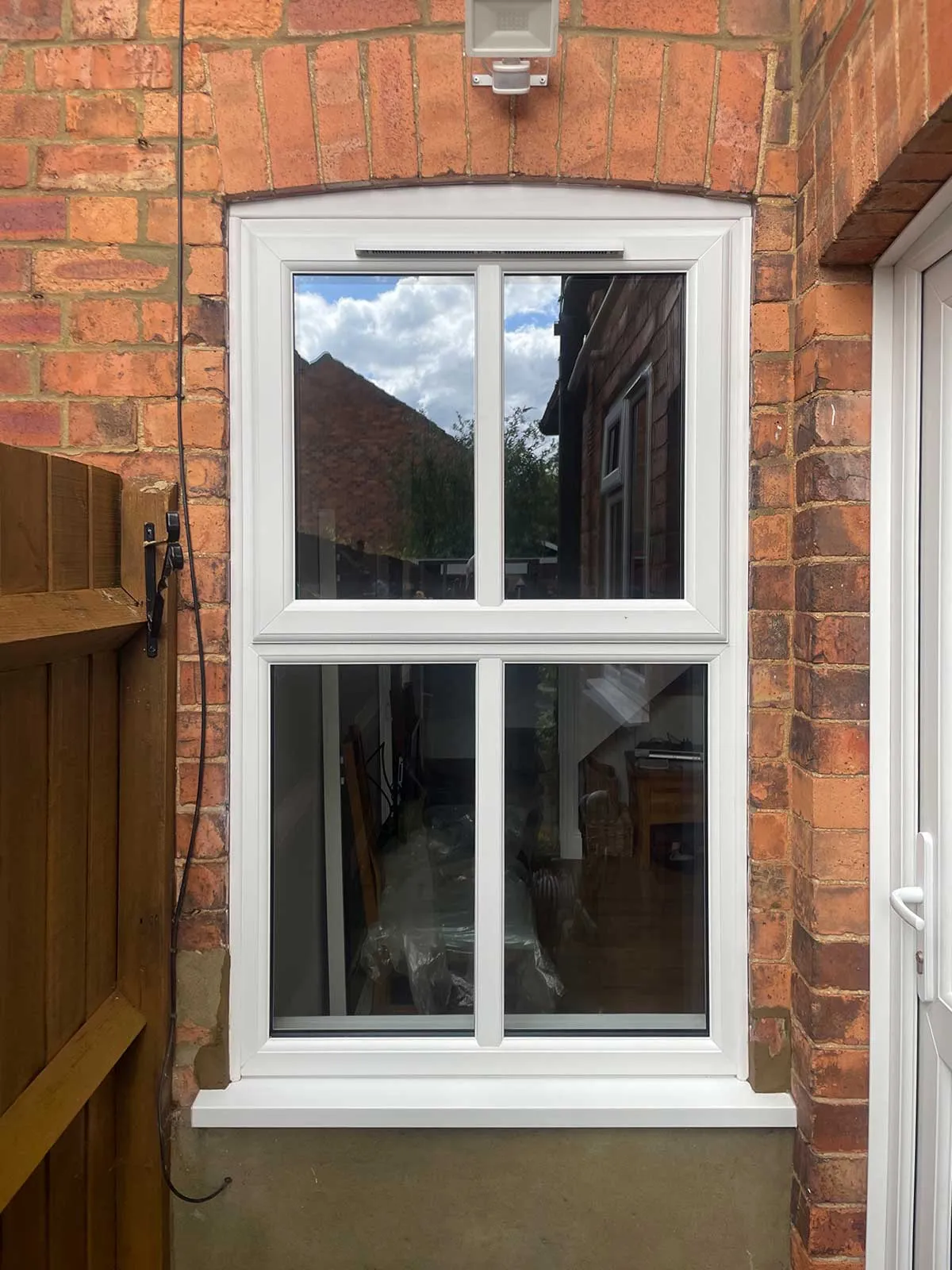
White UPVC Windows fitted in Northampton
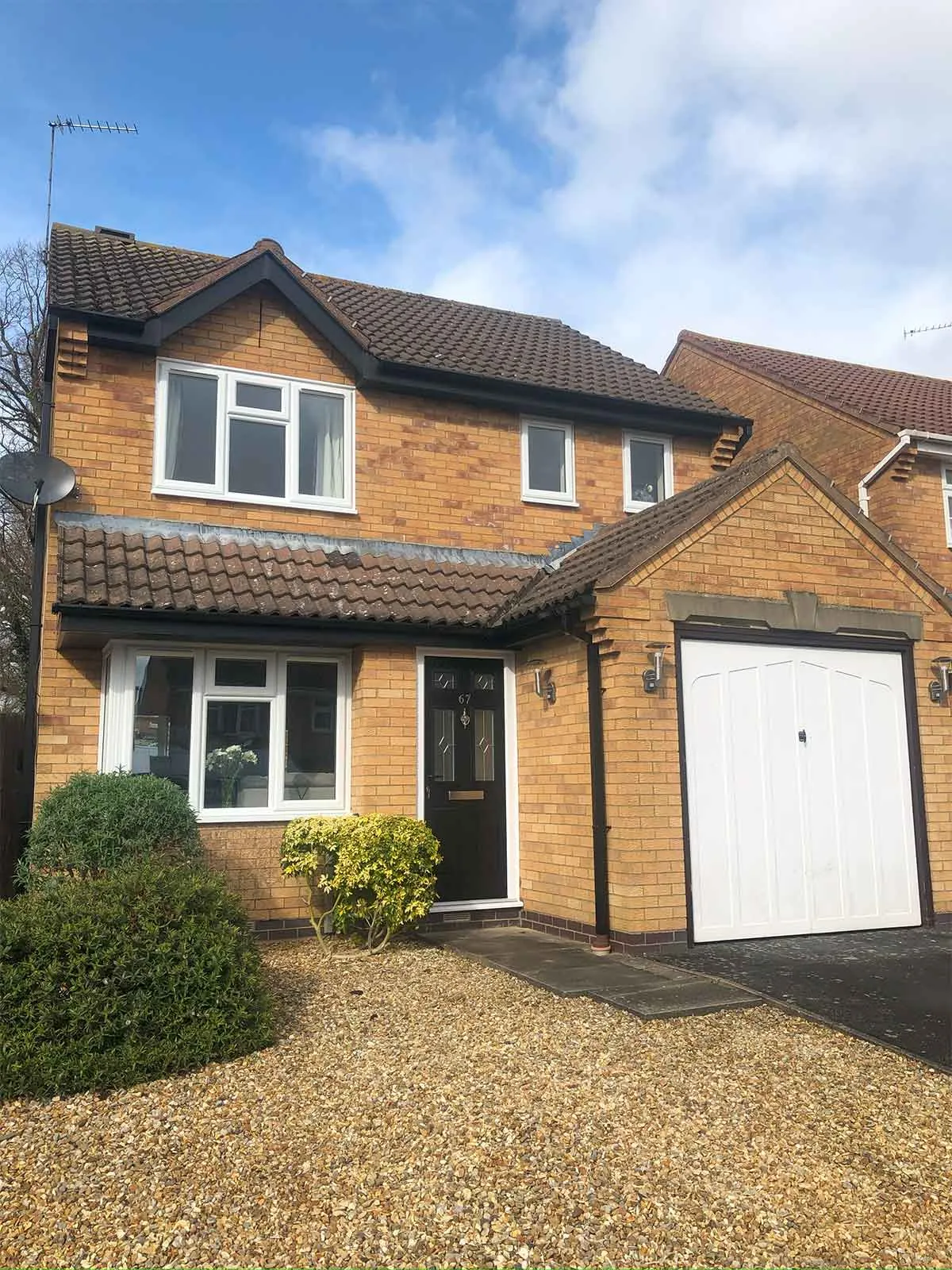
Full House White UPVC fitted in Northampton
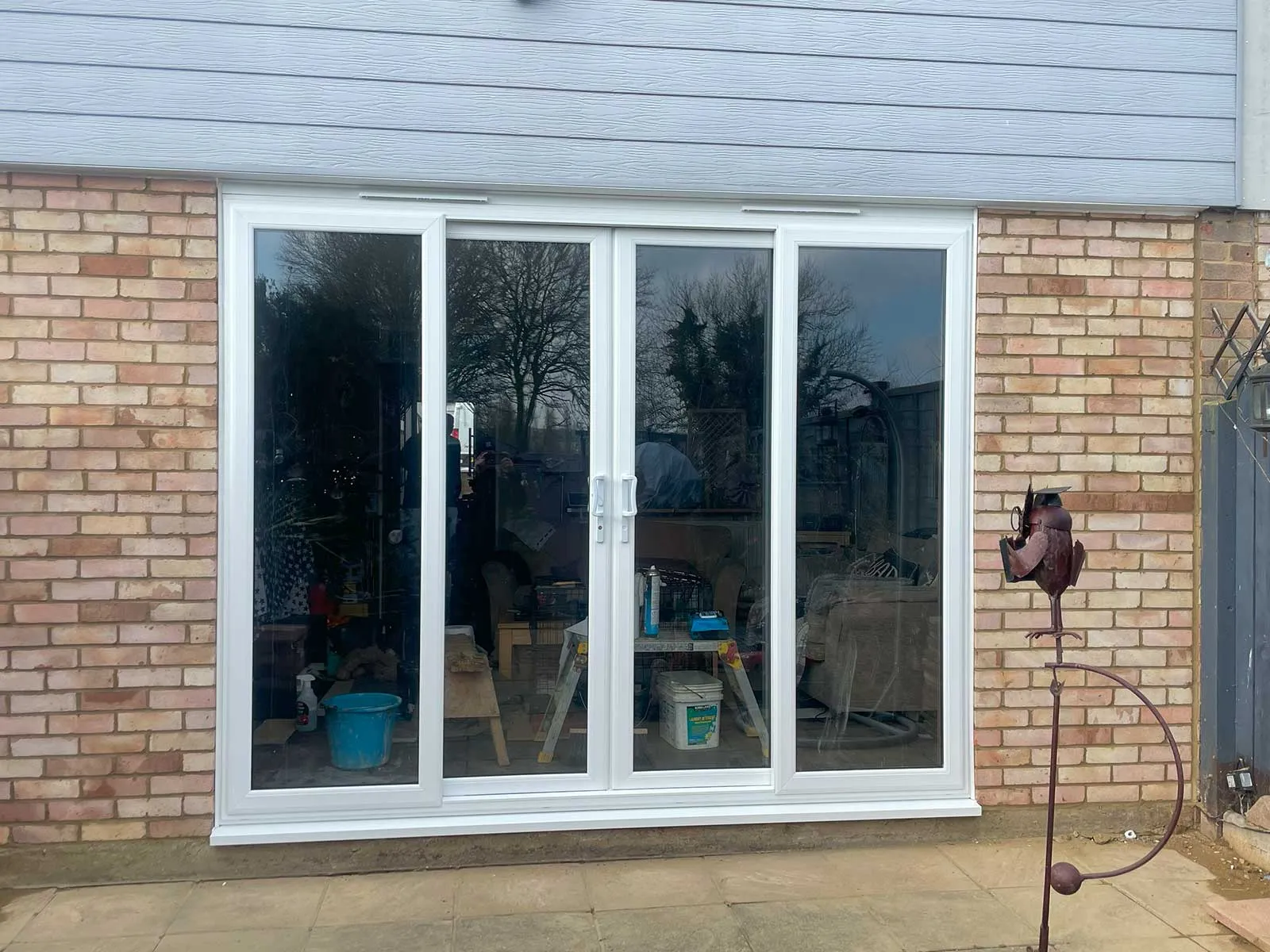
White UPVC Sliding Patio Doors fitted in Northampton
Manufacturer's brochures
If you would rather work through a PDF or print something off. These open on Liniar's website.
Liniar consumer brochure
The whole range in one PDF, with plenty of photographs. Worth a look once you have a rough idea what you want.
Opens on shop.liniar.co.uk
Liniar colour chart
Every foil on the current chart, including the newest colours, on Liniar's own site.
Opens on liniar.co.uk
Liniar windows and doors
Technical detail, threshold drawings and more photographs for each product.
Opens on liniar.co.uk
Window, door, colour and product photographs are Liniar's own, from liniar.co.uk. The photographs under Our own work are installations carried out by Tommy's Windows.
Got a rough idea what you want?
Tell us which windows or doors you have in mind and we will come out, measure up and give you a free, no obligation price.